Choosing Car Park Surfacing Contractors
A worn car park tells people something before they ever walk through the door. Cracked edges, standing water, faded bays and loose aggregate all suggest the same thing – maintenance has been left too long. That is why choosing the right car park surfacing contractors matters. The surface has to look right, drain properly, cope with traffic and stay safe under daily use.
For site managers, landlords, schools, retailers and developers, the job is rarely just about laying fresh tarmac. It is about keeping access open where possible, avoiding repeat repairs and making sure the finished area stands up to weather and vehicle load. A low quote can look attractive at first, but poor preparation underneath the surface usually becomes expensive later.
What good car park surfacing contractors actually do
A proper contractor does more than arrive with a paver and a crew. The first job is assessing the condition of the existing area and identifying the cause of failure. If the surface is breaking up because the sub-base has weakened, simply overlaying it may tidy the appearance for a while but it will not fix the real issue.
Good contractors look at traffic levels, drainage, edge stability and the age of the existing surface. They also consider how the car park is used. A small private parking area for a block of flats has different demands from a busy commercial yard or a supermarket car park with constant turning traffic.
The strongest projects are built around practical decisions from the start. That may mean localised patching in some areas, full resurfacing in others, new kerbing, better falls for drainage, or fresh line marking once the surface has cured. The right approach depends on the condition of the site, not just the quickest way to price the work.
Car park surfacing contractors and surface choice
Not every car park needs the same specification. This is where experience matters. Contractors should be able to explain the difference between a cost-saving short-term fix and a more durable long-term solution in plain terms.
Tarmacadam and asphalt are common choices because they are durable, economical and well suited to a wide range of commercial and domestic settings. They provide a clean finish, can be installed efficiently and are easier to maintain than many alternatives. For many car parks, they offer the best balance of appearance, value and lifespan.
That said, it depends on the site. Areas with heavier traffic, delivery vehicles or repeated braking and turning may need a stronger build-up. Places with poor drainage history may require more extensive groundwork before surfacing begins. If a contractor talks only about the top layer and not what sits beneath it, that is usually a warning sign.
The questions worth asking before work starts
The quality of a car park surface is often decided long before material is laid. Early discussions should cover the structure of the existing area, expected usage and how the work will be managed.
Ask whether the contractor is proposing resurfacing, patch repairs or full reconstruction, and why. Ask how drainage will be handled. Ask what preparation is included, whether edges and ironwork will be adjusted if needed, and whether line marking is part of the programme or a separate stage.
It is also sensible to ask about disruption. Some car parks can be completed in phases to keep part of the site open. Others need a full closure to allow the work to be done safely and properly. There is no single right answer, but there should be a clear plan.
You should also expect straightforward answers on insurance, guarantees and timescales. Reliable contractors do not make the process sound more complicated than it needs to be, but they should be clear about what is included and what could change if hidden defects are found once work begins.
Why preparation matters more than most people think
The surface you see is only part of the job. What sits underneath it carries the load. If the base is uneven, weak or waterlogged, the finished surface will fail much sooner than it should.
This is where shortcuts tend to show up later. Inadequate excavation, poor compaction or weak patching around failed areas often leads to early cracking, rutting and ponding. The car park may look fine when the crew leaves, then start to break down after one winter or a period of heavy use.
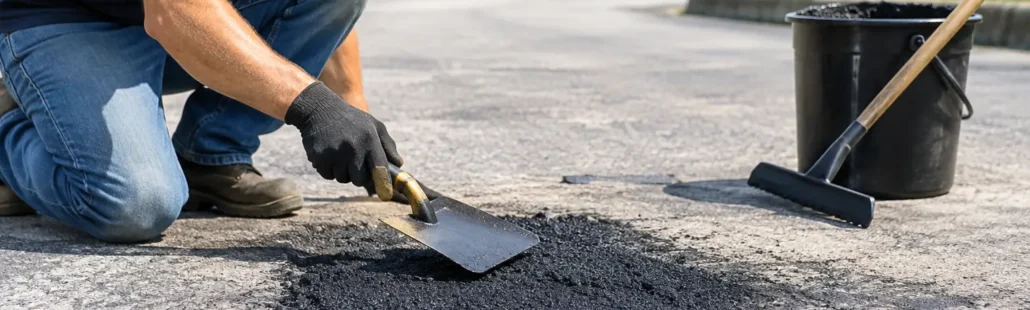
Proper preparation takes time, equipment and judgement. It may involve removing failed sections, rebuilding the sub-base, correcting levels and compacting each layer correctly. That work is less visible than fresh black surfacing, but it is what gives the car park its strength.
For larger sites, experienced contractors will also think about traffic flow and sequencing. There is little value in resurfacing an entrance if lorries then damage soft edges by mounting unfinished sections during the next phase.
Balancing cost with long-term value
Price matters, but cheapest rarely means best value in surfacing work. A lower quote may exclude key stages such as base repairs, drainage adjustments, reinstatement of edges or proper line marking. It may also be based on a thinner specification that is not suitable for the traffic the site actually carries.
A better way to compare quotes is to look at what each one includes and how long the result is likely to last. If one contractor prices for proper preparation and a suitable wearing course while another prices only for a cosmetic overlay, they are not offering the same job.
There are times when a lower-cost repair is the right decision. If a site is due for redevelopment in the near future, a practical interim repair may make more sense than full reconstruction. Equally, if the car park is a key part of a busy commercial premises expected to stay in use for years, investing in the right specification now is often the more economical option.
Safety, drainage and appearance go together
A car park surface has to do three things well. It must be safe underfoot and under tyre, it must shed water properly, and it should present the site well. These points are linked.
Standing water is not just untidy. It can lead to faster surface deterioration, increase slip risk and create problems in colder weather. Faded markings are not just cosmetic either. Poorly defined bays, arrows and pedestrian routes can affect traffic movement and site safety.
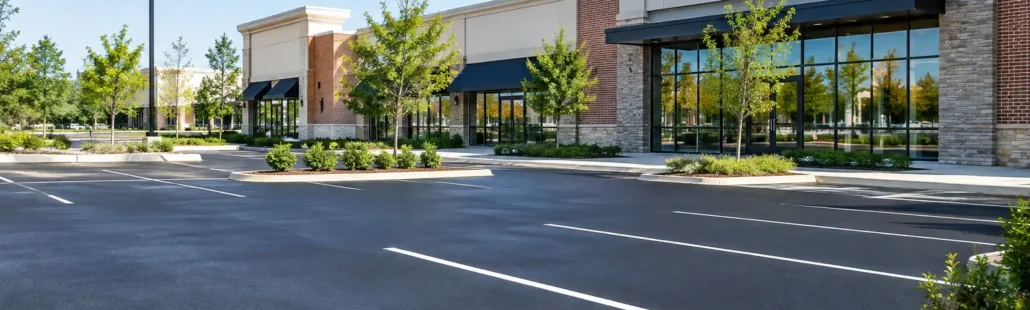
That is why good resurfacing work often includes more than the main blacktop. Kerbs may need resetting, gullies may need attention, and line marking may need to be reapplied with the layout reviewed. For schools, retail sites, offices and industrial premises, this practical finishing work matters just as much as the surfacing itself.
When local knowledge helps
Across Scotland and the North of England, weather and usage patterns can be hard on external surfaces. Freeze-thaw cycles, steady rainfall and heavy commercial traffic all put pressure on a car park over time. Contractors who regularly work in these conditions are usually better placed to recommend a build-up that suits the site rather than a generic specification.
That matters for everything from drainage falls to material choice and scheduling. In some cases, quick turnaround is the priority because the car park supports daily operations. In others, the focus is on long-term durability with minimal future maintenance. An experienced regional contractor should be able to plan around both.
Signs you have found the right contractor
The best contractors tend to be the easiest to deal with. They assess the site properly, explain the options clearly and give you a quote that reflects the actual condition of the area. They do not rely on vague promises or technical jargon to win the work.
They should also be realistic. Not every surface can be saved with a simple overlay, and not every defect means full reconstruction is needed. Honest advice is usually more useful than a sales pitch. If a contractor can explain where you can save money and where cutting back would be a false economy, that is a good sign.
For buyers who want a dependable result, the aim is simple: choose a team that can carry out the groundwork, the surfacing and the finishing details to a proper standard, with clear communication from start to finish. That is the difference between a car park that merely looks new and one that performs properly.
If your surface is starting to crack, hold water or let the site down, it is usually cheaper to deal with it early rather than wait for wider failure. A good contractor will tell you what needs doing, what can wait, and what will give you the best return over time.