How to Resurface a Car Park Properly
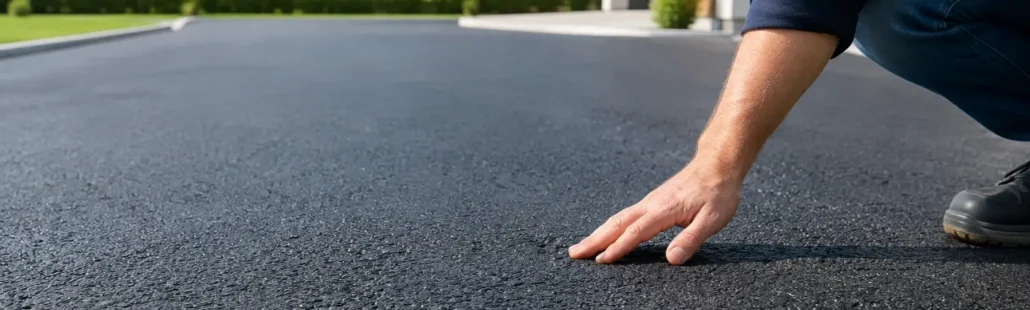
A worn car park tells people two things straight away – the surface has been left too long, and problems are likely to be more than cosmetic. Loose aggregate, standing water, faded bays and cracking around turning areas all point to a surface that is costing you more than it should. If you are looking at how to resurface a car park, the right approach is not just to lay new material over the top and hope for the best. Good resurfacing starts with understanding what has failed and why.
For commercial sites, schools, retail units, depots and residential developments, resurfacing is usually about three things at once: safety, appearance and lifespan. A car park needs to carry traffic cleanly, drain properly and remain presentable under daily use. If one of those fails, the others usually follow.
How to resurface a car park without cutting corners
The first step is a proper site assessment. Before any plant arrives, the existing surface needs to be inspected for cracking, potholes, rutting, edge breakdown and drainage issues. This stage matters because not every car park needs full reconstruction. In some cases, the base is still sound and a resurfacing overlay is enough. In others, the visible damage is only the top layer of a much deeper failure.
This is where experience counts. A surface may look tired but still be structurally serviceable, or it may look patchable while the sub-base underneath is moving, saturated or broken up. If you resurface over a weak foundation, the new finish will not last. The same cracks and depressions usually come back through.
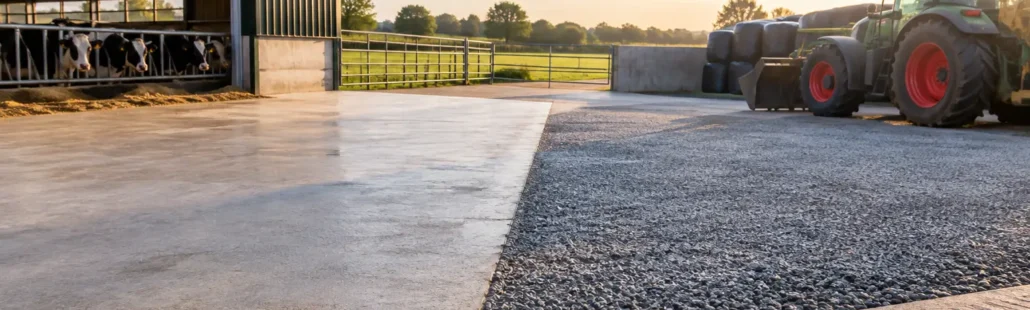
Traffic type also shapes the job. A small private car park used by light vehicles can often be resurfaced with a simpler specification than a busy commercial site taking vans, delivery vehicles or regular turning movements from heavier traffic. Entry points, loading areas and bin store routes often need more attention than the rest of the site because that is where stress builds fastest.
Decide whether resurfacing or reconstruction is needed
This is one of the biggest decisions in the whole process. Resurfacing generally means removing or preparing the top layer and applying new tarmac or asphalt over a stable existing structure. Reconstruction means digging out failed areas, replacing the base and then laying new surfacing above it.
If the car park has isolated potholes, worn texture, faded line markings and minor surface cracking, resurfacing may be the sensible route. It is faster, more cost-effective and less disruptive than a full dig-out. If there is widespread sinking, poor drainage, deep rutting or repeated patch failures, more extensive work is usually the better investment.
There is always a balance between budget and durability. A cheaper short-term repair may suit a site due for redevelopment, but for a long-term asset, it often makes more sense to address the root cause properly.
Preparing the existing surface
Once the scope is clear, preparation begins. This stage has a direct effect on how well the new surface bonds and how long it lasts. Any failed sections should be cut out and repaired first. Weak edges may need rebuilding. Drainage channels, gullies and ironwork should be checked and adjusted if levels are changing.
The existing surface is then cleaned thoroughly. Dirt, loose chippings, vegetation and debris stop proper adhesion and can create weak points in the finished layer. Depending on the condition of the car park, the contractor may plane off part of the old surface to remove defects and create the correct level for the new course.
Levels matter more than many clients expect. If resurfacing raises the finished height too much, you can create problems around kerbs, thresholds, manhole covers and drainage falls. A tidy-looking finish is not enough if water starts running towards buildings or ponding in parking bays.
Sorting drainage before new surfacing goes down
Water is one of the main reasons car parks fail early. If drainage is poor, resurfacing alone will not solve the issue. In fact, it can make the problem more obvious once the new black finish highlights every puddle.
Before resurfacing, the fall of the site should be checked carefully. Existing gullies may need clearing, resetting or replacing. In some cases, channel drains or additional drainage runs are required. This depends on the layout, the gradient and how water currently behaves during heavy rain.
A good resurfacing job sends water away efficiently without creating trip hazards or awkward low spots. That is especially important in the UK, where freeze-thaw cycles and regular rainfall can shorten the life of a poorly drained surface very quickly.
Choosing the right material for the car park
Most car parks are resurfaced in tarmacadam or asphalt, but the exact specification depends on use. For many general-purpose car parks, a dense bituminous wearing course provides a durable, neat finish that handles day-to-day traffic well. For heavier use areas, a stronger build-up may be required, particularly around entrances, ramps and delivery zones.
The choice is not only about strength. Texture, skid resistance, finish and maintenance expectations all play a part. A smoother surface may look smart, but if the site has steep sections or frequent braking and turning, grip becomes more important. Likewise, a budget-led specification may reduce upfront cost while increasing the need for repairs later.
For clients managing public-facing premises, appearance also matters. Fresh surfacing improves kerb appeal, gives line marking better definition and helps present the site as safe and well maintained. That can make a difference for customers, tenants and visitors as much as vehicles.
Laying the new surface
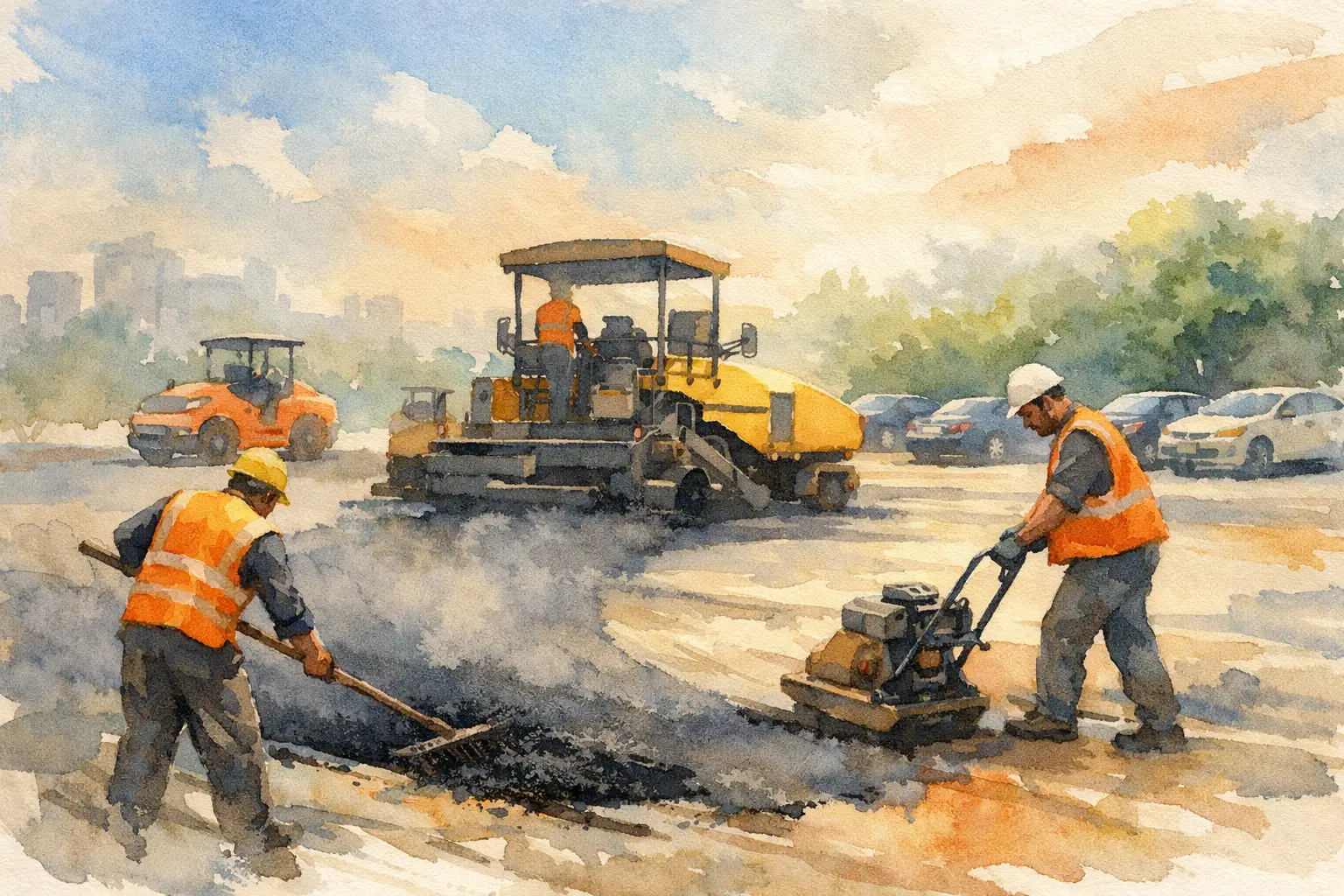
When the site is ready, a tack coat is usually applied where needed to promote bonding between layers. The new surfacing material is then laid and compacted using the correct equipment for the site size and specification. Compaction is critical. If the material is not laid at the right temperature or compacted properly, it can lose durability and finish quality.
This part of the work needs planning as well as technical control. Vehicle access, pedestrian routes and work sequencing all need to be managed so the site remains safe and disruption is kept to a minimum. On active commercial sites, resurfacing may need to be phased so that parts of the car park stay operational while others are completed.
Timing can also affect results. Dry conditions are preferable, and colder weather can limit laying windows depending on the material and scope of works. A dependable contractor will programme the job around suitable conditions rather than rushing to lay a surface that is compromised from the outset.
Markings, bays and finishing works
Resurfacing is not finished when the last roller leaves site. Once the surface has cured sufficiently, line marking should be reinstated clearly and accurately. This includes parking bays, directional arrows, disabled spaces, hatching, pedestrian routes and any site-specific markings.
It is also a good point to review the layout. Some car parks are resurfaced to put back an arrangement that no longer works well. If traffic flow has been awkward, bays are too tight, or pedestrian safety could be improved, resurfacing creates a chance to correct that.
Small finishing details make a difference. Clean tie-ins, neat edges, adjusted covers and clear markings all affect how professional the completed job looks and how well it functions day to day.
Common mistakes when resurfacing a car park
The most common mistake is treating resurfacing as a cover-up rather than a repair. New material on top of a failing surface may look better for a while, but it rarely performs well for long. Another issue is underestimating drainage. If the site still holds water after the job, deterioration often starts early.
Poor specification is another problem. A surface built for occasional car use will not necessarily cope with commercial traffic, repeated turning movements or delivery vehicles. There is also the question of edge support. Car park edges often break down first if they are not properly formed and protected.
Finally, some projects suffer because access planning was not thought through. If resurfacing work blocks critical routes without a phased plan, it can create unnecessary disruption for staff, customers or residents.
How long does a resurfaced car park last?
That depends on the starting condition, the build specification and how the site is used afterwards. A properly resurfaced car park on a sound base can give many years of service. Heavy use, water ingress, poor drainage and neglected maintenance will shorten that lifespan.
Routine upkeep helps protect the investment. Sweeping debris, dealing with small defects early and keeping drainage clear all reduce the chances of larger failures developing. Resurfacing is not something you want to repeat sooner than necessary, so a little ongoing maintenance goes a long way.
For property owners and facilities teams, the best results usually come from getting the scope right at the start. A clear survey, the correct preparation and a specification suited to actual traffic levels will always outperform a quick cosmetic fix. That is the difference between a car park that simply looks new and one that works properly for years after the job is done.
If you are planning resurfacing, it pays to think beyond the top layer. The best car parks are built to handle use, weather and water from day one – and that starts long before the new surface is laid.