How to Choose Road Marking Contractors
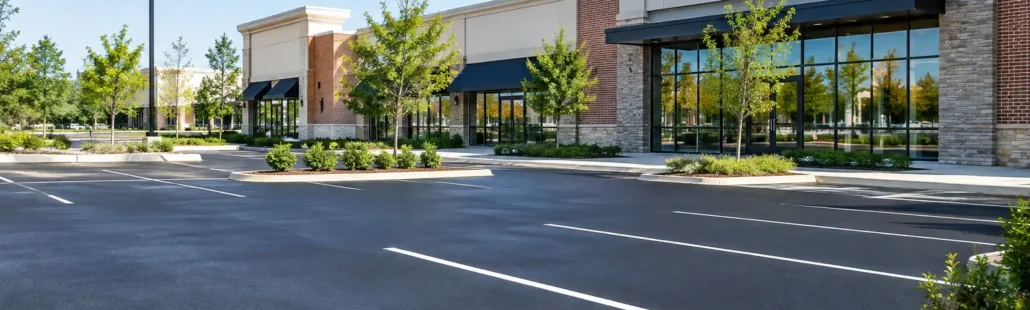
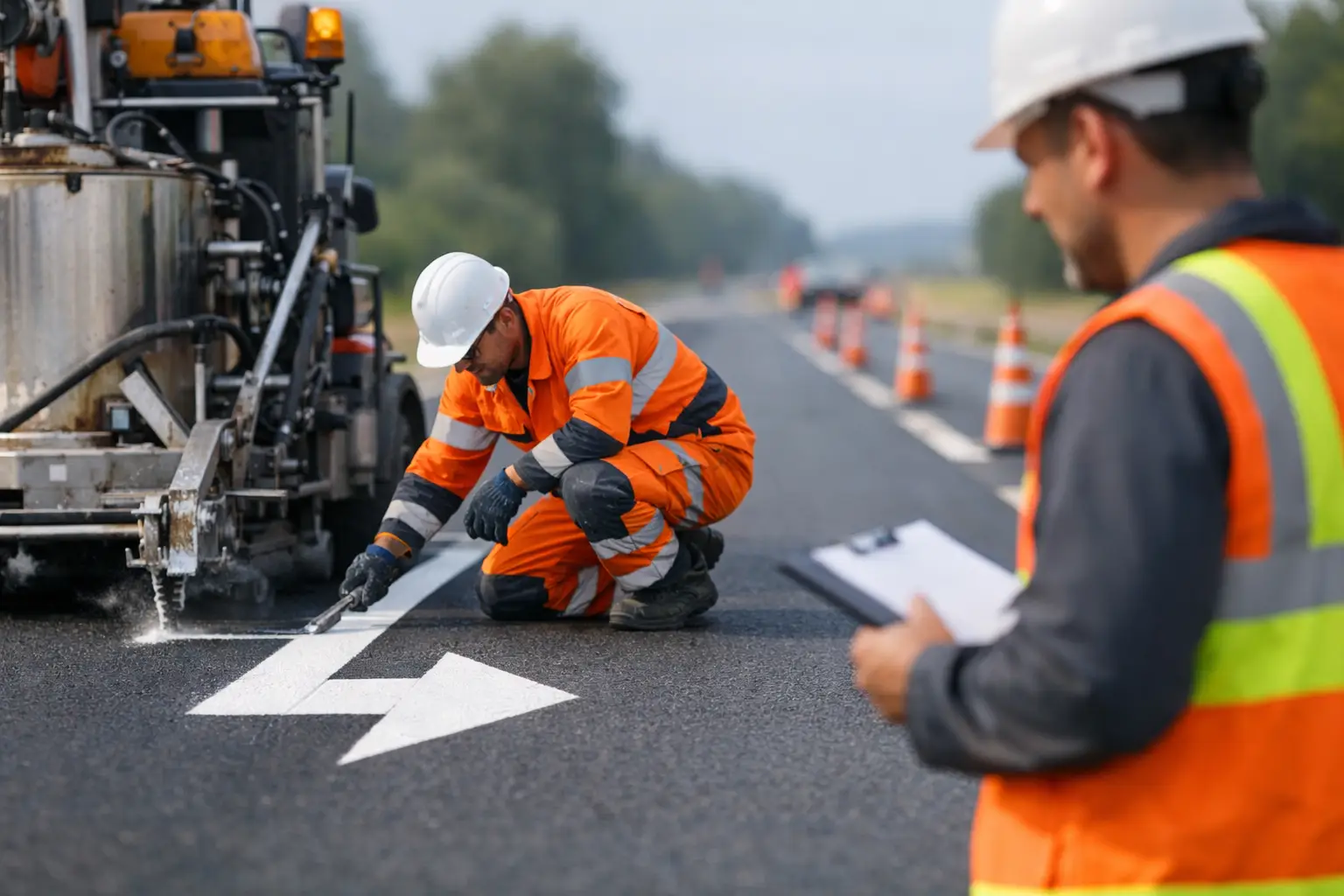
Fresh line markings do more than tidy up a site. They control traffic flow, reduce confusion, improve safety and help you make proper use of the space you have. That is why choosing experienced road marking contractors matters whether you are managing a car park, private road, warehouse yard, school access route or commercial forecourt.
Poor markings create problems quickly. Bays end up the wrong size, arrows fade too soon, pedestrian routes become unclear and the finished job can start looking tired far earlier than expected. A professional contractor should help you avoid that from the start, not just arrive and put paint on the ground.
What road marking contractors should actually provide
A reliable contractor is not only there to apply lines. The real job starts with understanding how the area is used, what needs to be marked, how traffic moves through it and what level of wear the surface will face.
For a busy commercial site, that may mean planning markings around delivery schedules, HGV movements and pedestrian segregation. For a school or healthcare setting, clarity and safety tend to take priority over everything else. On a residential development or private estate road, appearance can matter just as much as function. Good road marking contractors know the difference and adjust the specification accordingly.
You should expect clear advice on layout, materials, timings and likely lifespan. You should also expect a contractor to flag up issues with the surface itself. If the asphalt is breaking up, contaminated or worn smooth in places, the markings may not bond properly or last as they should. In those cases, line marking and surface repair often need to be considered together.
The surface matters as much as the markings
This is where many buyers get caught out. They focus on the lines they can see and not the surface underneath them. The condition of the road or car park has a direct effect on the final result.
A clean, stable surface gives markings the best chance of lasting well. A surface with loose material, oil contamination, standing water issues or active cracking will shorten the life of the work. That does not always mean resurfacing the whole area is needed, but it can mean localised repairs should be completed first.
This is often where working with a contractor that understands broader surfacing work is useful. If one team can assess the ground properly, repair defects where needed and then carry out the marking, the process is usually more straightforward and the end result more dependable.
What to look for when comparing road marking contractors
Price matters, but it should not be the only measure. The cheapest quote can become expensive if the layout is wrong, the work has to be redone or the markings wear out far too soon.
Start with experience. A contractor who regularly marks roads, car parks, loading zones and access routes will usually spot practical issues before work begins. They should be able to explain what material is suitable, how the area will be prepared and how long the site may be partially or fully out of use.
Insurance and guarantees matter too. If you are appointing someone to work on a live commercial site, school grounds or a shared access road, you need confidence that they are operating properly. A professional contractor should be comfortable discussing method, safety and responsibility without making the process harder than it needs to be.
Communication is another simple but important test. If getting a quote is slow, vague or confusing, that often continues once the job starts. You want a team that is direct, responsive and clear about scope, price and programme.
Materials and methods are not one-size-fits-all
Not every marking job needs the same product. What works on a lightly used private car park may not be the right choice for a busy access road with regular heavy vehicle traffic.
Paint-based systems can be suitable for some applications, especially where cost is a key factor or markings may need to be updated more regularly. Thermoplastic is often chosen for roads, higher-traffic areas and sites where longer service life is needed. The right choice depends on traffic levels, surface type, budget and how critical the markings are to safety and compliance.
A good contractor should explain the trade-off plainly. Lower upfront cost can mean more frequent maintenance. A more durable specification may cost more initially but reduce disruption and remarking costs over time. There is no single right answer for every site, which is why practical advice matters.
Layout matters more than most people expect
A neat finish is only part of the job. The layout has to work in real use.
In car parks, badly spaced bays can reduce capacity or create access issues. On industrial sites, poor arrow placement or weak separation between pedestrian and vehicle routes can increase risk. On private roads and estates, unclear priority markings or faded edge lines can create confusion, especially in poor weather or low light.
Experienced contractors think about how drivers actually approach a junction, turn into a bay or move around a site. They look at visibility, turning circles, delivery patterns and the way people use the area day to day. That practical view is often what separates a serviceable job from one that genuinely improves the site.
Timing, access and disruption
For many clients, the challenge is not the marking itself. It is getting the work done without causing unnecessary disruption.
This is especially relevant for commercial premises, schools, retail sites and shared developments where access has to be maintained as far as possible. A dependable contractor should be able to plan work in phases, use off-peak periods where sensible and make clear what areas need to be kept free.
Weather can also affect programming. Marking work generally needs suitable surface and drying conditions, so any contractor promising unrealistic timescales without reference to conditions should raise questions. Better to have a realistic programme than a rushed job that does not last.
Why local knowledge can help
If you are arranging marking work across Scotland or the North of England, local coverage can make a real difference. Contractors working regularly in places such as Glasgow, Edinburgh, Dundee, Aberdeen, Newcastle or Manchester are more likely to understand the practical pressures of urban access, variable weather and mixed-use sites.
That does not replace workmanship, but it can help with scheduling, site visits and responsive follow-up if additional work is needed. For clients managing multiple properties or larger external areas, that kind of coverage can make procurement much simpler.
Questions worth asking before you appoint anyone
You do not need to overcomplicate the process, but a few direct questions can save time and cost later. Ask how the surface will be prepared, what marking material is proposed, how long the area will be out of action and what lifespan you can realistically expect. Ask whether any repairs are recommended before marking begins.
It is also sensible to ask who will actually carry out the work and whether traffic management or phased access arrangements are needed. A contractor that can answer these points clearly is usually easier to work with from start to finish.
When road marking should be part of a wider maintenance plan
Sometimes a line marking job is just that. The surface is sound, the layout is already established and the need is simply to refresh worn markings.
In other cases, faded lines are only the visible part of a bigger maintenance issue. If potholes are forming, drainage is poor, edges are breaking down or the area looks tired overall, a patch-and-paint approach may only delay the real work. It can still be worth doing, but only if everyone is clear about the limits.
That is why practical contractors will sometimes recommend repairs or resurfacing alongside marking instead of treating each issue in isolation. It is not about adding work for the sake of it. It is about making sure the finish lasts and the site performs properly.
For property owners and site managers, the best result usually comes from choosing a contractor who sees the full picture – safety, durability, appearance, access and value over time. At EB Road Surfacing, that is the standard approach. Good markings should not just look sharp on day one. They should make the site easier and safer to use long after the job is finished.
If you are comparing options, look for road marking contractors who speak plainly, assess the surface properly and deliver work that fits the way your site actually operates. That is what turns a necessary maintenance job into a worthwhile improvement.