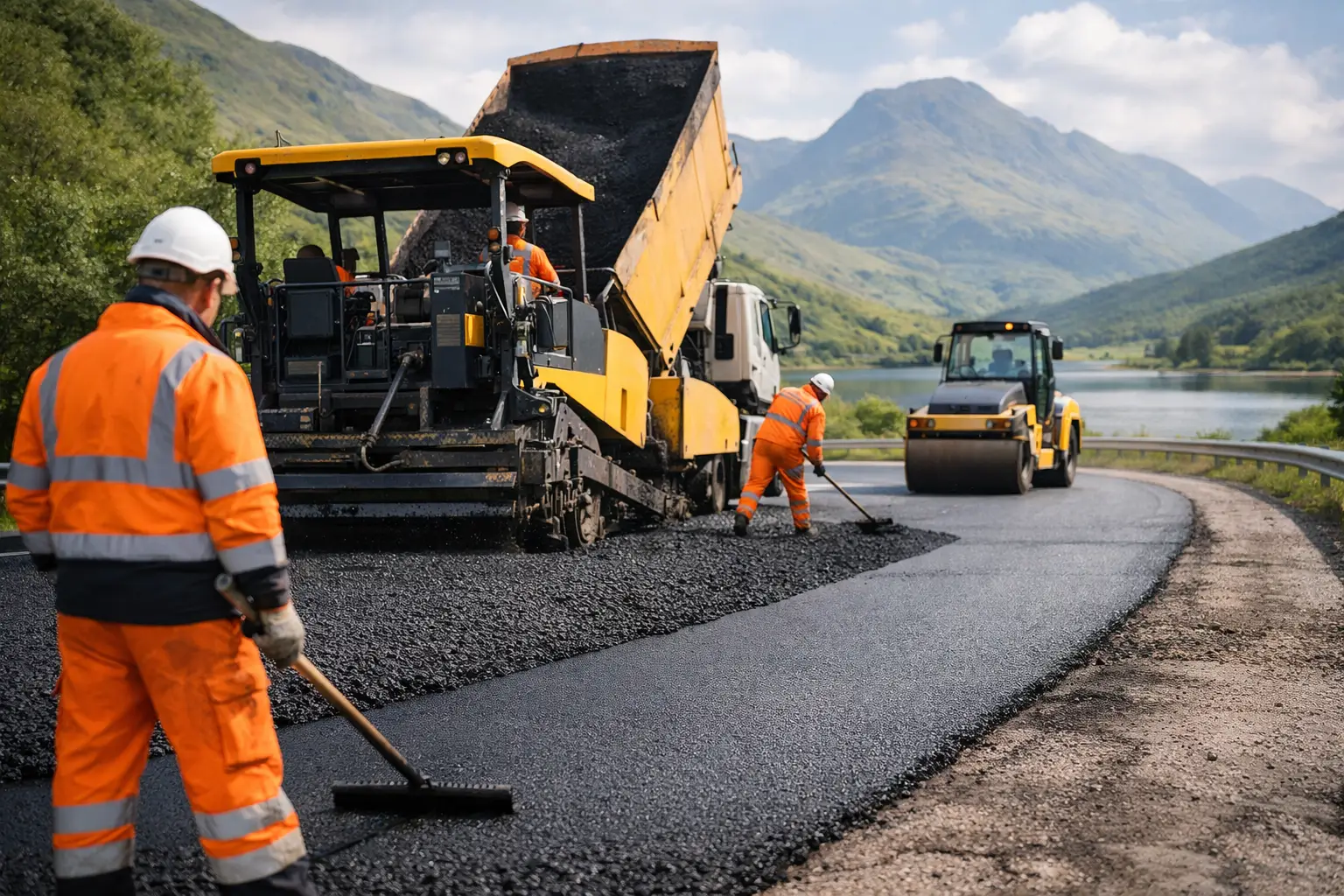
Road Resurfacing Contractors Scotland
A road surface rarely fails all at once. It starts with fretting, loose aggregate, standing water, edge breakdown or the odd pothole that keeps returning after patching. By the time most people start searching for road resurfacing contractors Scotland property owners and site managers can trust, the problem has usually moved beyond appearance. It is affecting safety, drainage, access and long-term cost.
That is why resurfacing decisions need to be practical, not rushed. Whether you manage a commercial yard, private road, car park, housing development or farm access route, the right contractor should make the process clear from the start. You need honest advice on whether resurfacing is enough, whether repairs will hold, and what level of finish the site actually needs.
What good road resurfacing contractors in Scotland should actually provide
Not every deteriorated surface needs full reconstruction, and not every contractor will tell you that plainly. A dependable surfacing team should inspect the existing condition, look at how the road is being used, and recommend the most sensible option for the budget and the life expectancy you want from the finished surface.
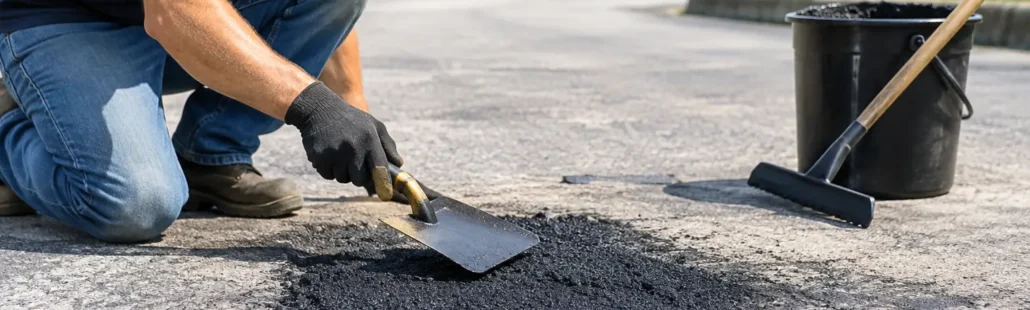
In some cases, resurfacing is the right answer because the base is still sound but the top layer has worn out. That might involve planing off the damaged layer and laying fresh tarmacadam or asphalt to restore a smooth, durable finish. On another site, localised repairs, patching and levelling may be needed before a new wearing course can go down. If the foundation has failed, simple resurfacing may only hide the issue for a short time.
That distinction matters. A contractor who understands roads, car parks, driveways and access routes across both private and commercial sites will usually give more balanced advice than one pushing the same solution everywhere.
When resurfacing is the right choice
Resurfacing is often the best option when the surface has reached the point where repeated repairs are no longer cost-effective. Potholes that reopen, cracked sections spreading across traffic lanes, worn line markings, poor ride quality and puddling after rain all point to a surface that needs more than maintenance.
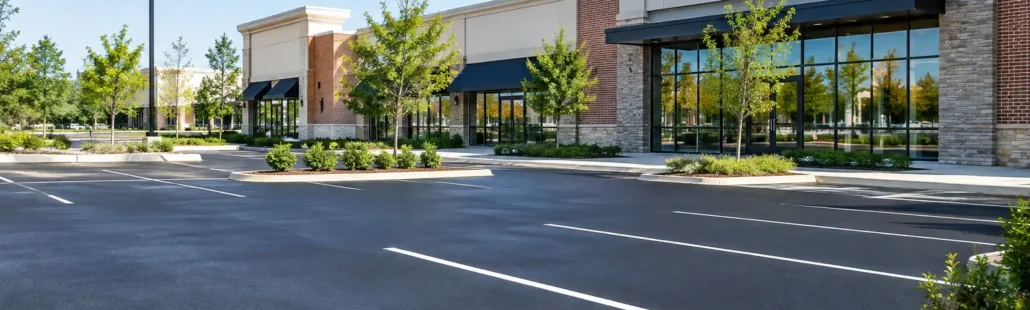
For commercial sites, there is also the issue of image and liability. A poor entrance road or uneven car park creates a bad first impression and increases risk for vehicles and pedestrians. For private roads, estates and domestic properties, the same defects affect kerb appeal, drainage and everyday usability.
The benefit of resurfacing is that it addresses the overall condition of the surface rather than chasing isolated failures. Done properly, it can improve appearance, restore levels, strengthen high-wear areas and extend service life significantly.
How pricing usually works
One of the first questions clients ask is simple enough – how much will it cost? The honest answer is that pricing depends on the area size, existing condition, access, drainage needs, edging, material specification and how much preparation work is required before the new surface is laid.
A straightforward resurfacing job on a sound existing base is very different from a site that needs excavation, sub-base repairs, kerb adjustments, ironwork level changes or traffic management. The thickness of material also matters. A lightly used private lane and a heavily trafficked commercial road will not usually be specified the same way, and they should not be.
The cheapest quote is not always the most economical choice. If a contractor prices without allowing for proper preparation, compaction or drainage correction, the finished job can fail early. That means more disruption and more money spent later. A clear written quote with a sensible scope of works is usually a better sign than a rushed low figure with little detail behind it.
Materials, traffic and why specification matters
Tarmacadam and asphalt are often spoken about as if they are identical, but what matters most in practice is the specification used for the site. The right contractor should match the surface build-up to the load it will carry, the amount of turning traffic it sees, and the conditions it faces through the Scottish climate.
Scotland brings freeze-thaw cycles, heavy rainfall and wear from commercial traffic, agricultural vehicles and daily private use. A road that looks acceptable in dry weather may have drainage or structural weaknesses that show up badly through winter. That is why preparation and specification matter just as much as the final finish.
A residential driveway, for example, needs a tidy, durable finish and good levels, but a business park access road or service yard may need a heavier-duty approach to withstand repeated loading. There is no value in over-specifying a domestic job, and no value in under-specifying a commercial one.
What to expect from the resurfacing process
A professional resurfacing job should feel organised from the first visit. Site assessment comes first, followed by a clear recommendation, quotation and proposed programme of works. If there are defects beneath the visible surface, they should be pointed out early rather than discovered halfway through the job with no warning.
Preparation is where good contractors separate themselves. Loose material, failed patches and weak spots need dealing with before new surfacing is laid. Levels must be checked, drainage falls considered and edges secured. If the site includes line marking, bays, pedestrian routes or traffic areas, those details should be planned in advance rather than treated as afterthoughts.
Once the surface is laid, finishing quality matters. Smooth joints, even compaction and a tidy appearance are not cosmetic extras. They are signs of a crew that takes the durability of the work seriously.
Choosing road resurfacing contractors Scotland clients can rely on
If you are comparing road resurfacing contractors Scotland has to offer, look beyond broad promises. Experience matters, but so does relevance. A contractor used to handling both domestic and commercial surfacing work is often better placed to understand different site demands and adjust the job accordingly.
You should expect proof of insurance, clear communication, realistic timescales and a straightforward quoting process. Guarantees are also worth asking about, not because they replace workmanship, but because they show a contractor is prepared to stand behind the finished result.
Responsiveness matters more than many clients realise. Surface failures can affect access, trading, deliveries and safety, so delays at the enquiry stage are rarely a good sign. A reliable contractor should be easy to deal with, clear about availability and realistic about how quickly the work can be completed.
A family-run business can also be an advantage here, provided it has the right equipment and operational capacity. Clients often want a contractor that is hands-on and accountable, not one where responsibility disappears once the quote is accepted. That direct approach is one reason companies such as EB Road Surfacing appeal to homeowners, commercial buyers and organisations alike.
Local knowledge makes a difference
Working across Scotland means dealing with very different environments, from city access roads and retail car parks to rural lanes, private estates and industrial yards. The best contractors understand that the same method does not suit every location.
Urban resurfacing may involve tighter scheduling, restricted access and keeping disruption to a minimum. Rural and semi-rural work may bring drainage issues, soft verges or heavy plant traffic. Coastal areas can present their own wear patterns, while high-use commercial sites demand a finish that can take daily punishment without breaking up early.
That local experience helps with more than installation. It also improves judgement on what is likely to last.
The value of getting the job done properly first time
There is always pressure to keep costs down, especially when the surface still looks partly serviceable. But delaying resurfacing beyond the sensible point usually means paying for more repairs, more complaints and more disruption before the full job is finally approved.
A properly resurfaced road or access area gives you a safer surface, a cleaner finish and fewer ongoing issues to manage. For businesses, that means better presentation and reduced maintenance headaches. For homeowners and landowners, it means a surface that works as it should and looks right for the property.
The best contractor will not overcomplicate that. They will assess the site, explain what needs doing, price it clearly and carry out the work to a standard that justifies the investment. If you are choosing a resurfacing team in Scotland, that is what matters most – practical advice, dependable workmanship and a surface built to last.