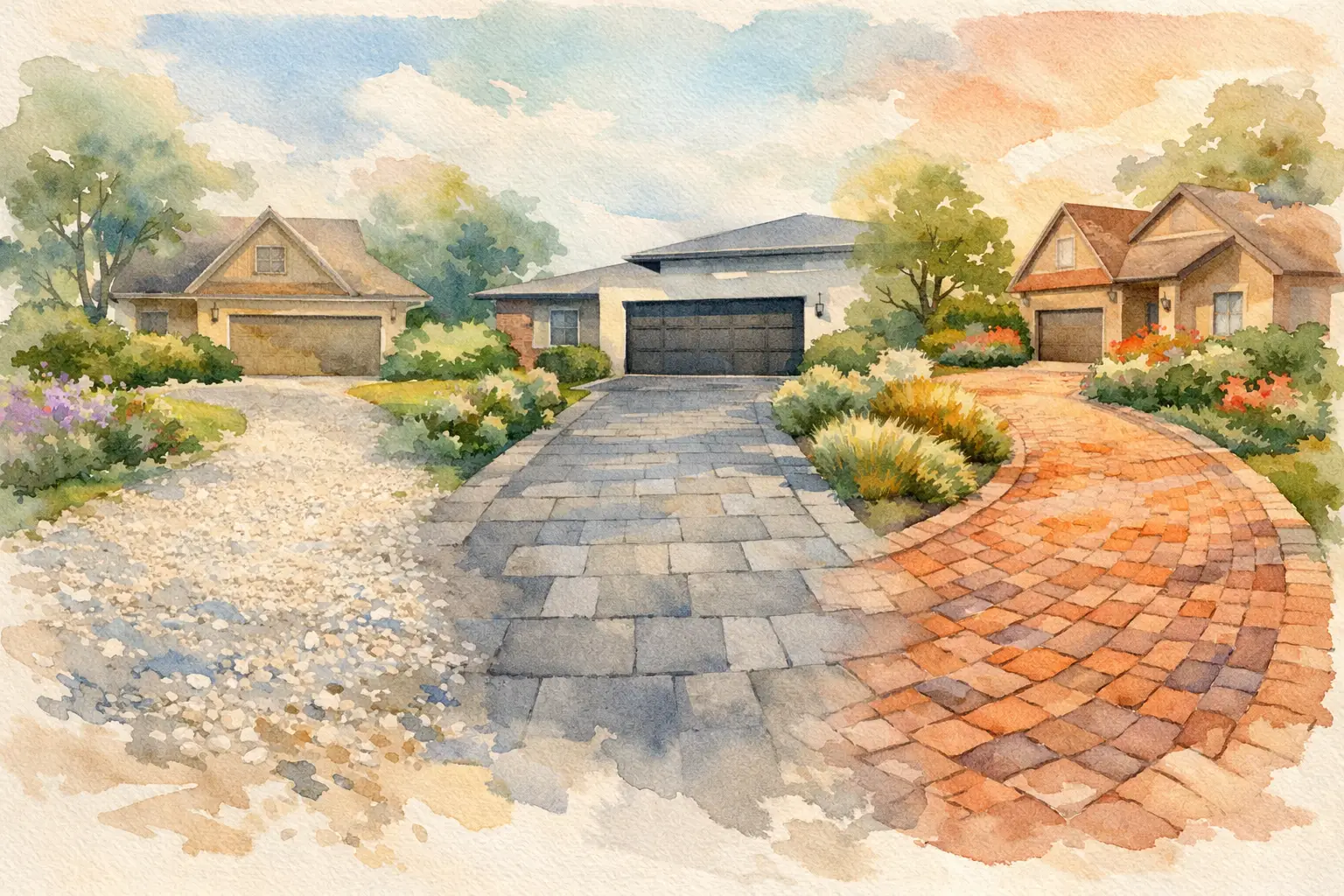
Best Driveway Finishes for Homes Compared
A driveway has to do more than look smart from the pavement. It needs to cope with daily use, poor weather, turning tyres, oil drips and the general wear that comes with cars, vans and foot traffic. When homeowners ask about the best driveway finishes for homes, the right answer usually depends on three things – budget, appearance and how much maintenance they are willing to take on.
Some finishes give a clean, practical result with very little upkeep. Others deliver more kerb appeal but need extra care to keep them looking their best. The key is choosing a surface that suits the property, the ground conditions and the way the driveway is actually used, not just how it looks on day one.
What makes the best driveway finishes for homes?
The best finish is not always the most expensive one. In many cases, the strongest choice is the surface that handles the load, drains properly and stays safe through the seasons.
For a family home, durability matters. A driveway should resist cracking, rutting and loose areas. It should also be easy to maintain and safe underfoot in wet or frosty conditions. Appearance still counts, of course, but looks need to be balanced against lifespan and repair costs.
This is where professional installation matters just as much as the finish itself. A poor sub-base will let down even a premium surface. A well-built foundation, proper edging and correct levels often make the difference between a driveway that lasts and one that starts failing early.
Tarmac driveways
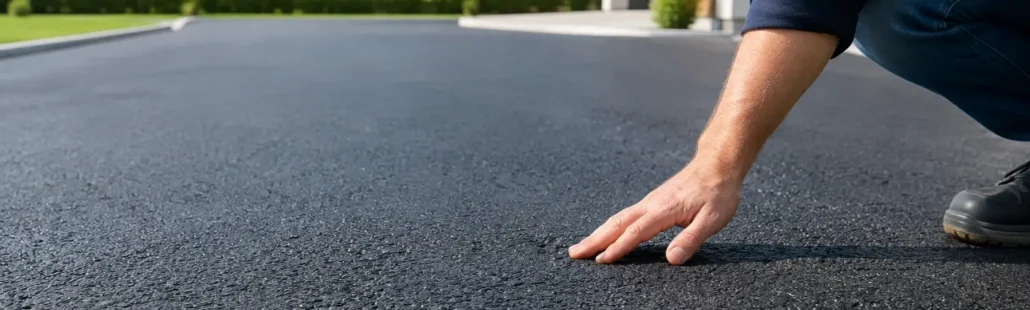
Tarmac remains one of the most practical choices for domestic properties. It is widely used for roads, car parks and access routes for a reason – it is hard-wearing, cost-effective and quick to install.
For homes, tarmac gives a neat and uniform finish that works especially well on medium to large driveways. It copes well with regular vehicle use and usually requires less maintenance than more decorative options. If the priority is a dependable surface that can be laid efficiently and used for years, tarmac is difficult to beat.
Its appearance is more functional than decorative, so it may not suit every property style. Some homeowners prefer a softer or more bespoke look. That said, with clean edging in block paving or stone kerbs, tarmac can still look very sharp and well-finished.
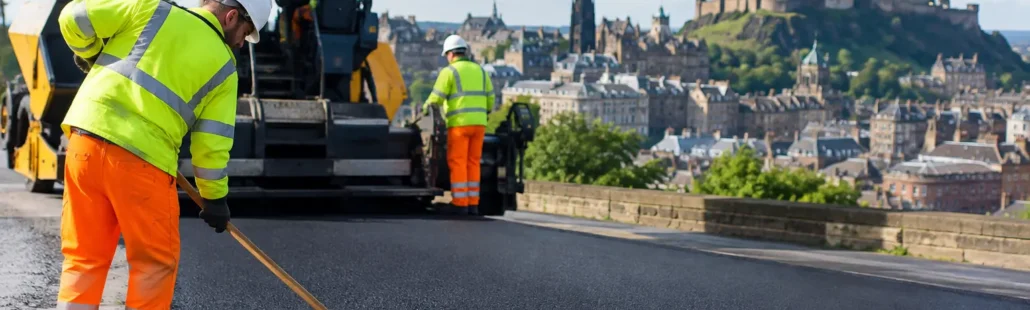
Tarmac is often a strong option in parts of Scotland and the North of England where weather conditions can be tough on surfacing. With proper construction and drainage, it stands up well to rain, frost and frequent use.
Resin-bound driveways
Resin-bound surfacing is often chosen for appearance. It gives a smooth, modern finish with a wide range of aggregate colours, which makes it popular on newer homes and properties where kerb appeal is a major factor.
A properly laid resin-bound surface can be porous, which helps with drainage and reduces standing water. It also creates a tidy finish without the loose movement you get from gravel. For homeowners who want a more decorative driveway but still need a practical surface, resin-bound can be a good middle ground.
The trade-off is cost. Resin-bound is usually more expensive than tarmac and can be less forgiving if installed badly. Surface preparation is critical, and not every existing driveway is suitable as a base. It also needs to be kept reasonably clean, especially in shaded areas where moss or staining can build up.
If the budget allows and the visual finish is a top priority, resin-bound is worth considering. If cost and long-term practicality matter more, tarmac may offer better value.
Block paving
Block paving is one of the most versatile driveway finishes available. It suits traditional and contemporary homes, offers plenty of design choice and can create a premium look when laid well.
Another benefit is repairability. If one section becomes stained or damaged, individual blocks can often be lifted and replaced. That is useful for driveways that may need future access to utilities or drainage runs.
However, block paving does involve more maintenance than many homeowners expect. Weeds can appear in joints, sand can shift over time and some areas may settle if the groundwork is not done properly. It also tends to cost more in labour because installation is more detailed and time-consuming.
For homeowners who place a high value on pattern, edging and overall finish, block paving is a solid choice. For those who want the lowest maintenance route, it may not be the best fit.
Gravel driveways
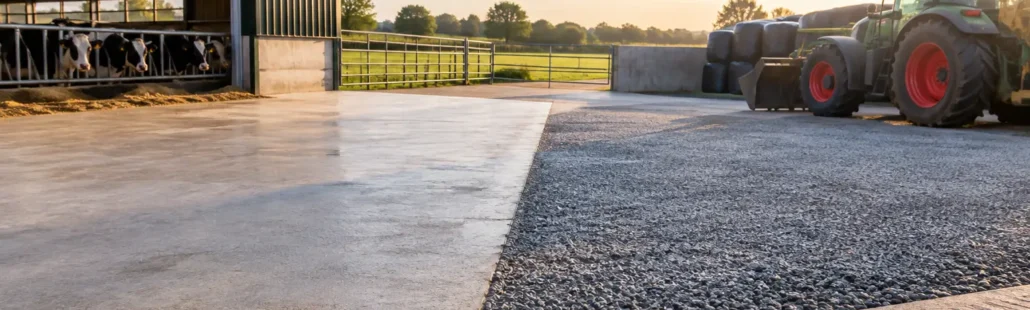
Gravel is often the lowest-cost option upfront and can work well in rural or larger properties. It has a natural appearance and can provide good drainage if laid on the right base.
It is also flexible in terms of style. Different stone sizes and colours can change the overall look quite a lot, from informal and traditional to cleaner and more modern.
That said, gravel comes with obvious drawbacks. Stones move, spread and need topping up. It can be less convenient for pushchairs, bicycles and wheelie bins, and it is not always ideal on steeper slopes. Loose gravel can also travel onto pavements or roads, which creates extra tidying and can affect the overall appearance.
For some homes, especially where a more informal look suits the property, gravel is perfectly reasonable. For day-to-day convenience and a cleaner finish, most urban and suburban homeowners tend to prefer a bound or sealed surface.
Concrete and patterned concrete
Concrete is known for strength and lifespan, and it can be a sensible option for certain domestic driveways. Plain concrete gives a clean, simple finish, while patterned concrete is designed to imitate stone, paving or brickwork.
One of the main attractions is durability. A well-installed concrete driveway can last a long time and cope with heavy use. Patterned concrete can also provide a more decorative look without using individual paving units.
The downside is that repairs are not always straightforward. If concrete cracks or stains badly, patching can be more visible than with block paving or tarmac repairs. Patterned finishes can also look dated over time if the style does not suit the property. As with any surface, the quality of preparation matters, but with concrete the final result is especially dependent on good workmanship and curing.
Which driveway finish is best for cost, looks and upkeep?
If cost is the main driver, gravel and tarmac are often the first options worth pricing. Gravel may be cheaper at the start, but it usually brings more ongoing maintenance. Tarmac tends to offer better long-term practicality for busy households.
If appearance matters most, resin-bound and block paving usually stand out. Both can add kerb appeal, but they come at a higher cost and need proper installation to justify that spend.
If low maintenance is the priority, tarmac and plain concrete are usually easier to live with than gravel or block paving. Resin-bound can also be relatively low maintenance, but only if it is installed correctly and kept clear of surface build-up.
There is no single winner for every property. A townhouse driveway with limited space may benefit from resin or block paving. A larger family drive with regular vehicle use may be better in tarmac. A rural property may suit gravel. The right finish is the one that performs well for the home, not just the brochure.
Best driveway finishes for homes in wet and cold conditions
British weather puts real pressure on driveway surfaces. Freeze-thaw cycles, prolonged rain and poor drainage can shorten the life of any finish if the construction is wrong.
For wetter areas, drainage should be part of the decision from the start. Permeable resin-bound systems can help, and gravel naturally drains well, but both still depend on proper base preparation. Tarmac performs well in poor weather when laid on a sound foundation with correct falls and drainage points. Block paving can also work well, though movement and weed growth may become more noticeable over time if maintenance is neglected.
This is one reason homeowners in places such as Glasgow, Edinburgh or Dumfries should look beyond surface colour and think carefully about base depth, water run-off and the volume of traffic the driveway will take.
How to choose the right finish for your property
Start with how the driveway will be used. A single-car drive with occasional use has different demands from a sloping front area used by two or three vehicles every day. Then look at the property style, drainage requirements and how much upkeep is realistic.
It also pays to think long term. A cheaper surface that needs frequent repair or regular top-ups may cost more over time than a professionally laid finish with a stronger base. Equally, there is little point paying for a premium decorative surface if a simpler one would perform better and suit the property just as well.
For most homeowners, the best results come from getting the basics right first – excavation, sub-base, edging, levels and drainage – and then choosing a finish that fits both budget and expectations. A dependable contractor will explain the trade-offs clearly rather than pushing the same surface for every job.
If you are weighing up options for a new driveway or replacement surface, the smartest move is to choose the finish that will still look right and perform properly after years of real use, not just the one that makes the strongest first impression.