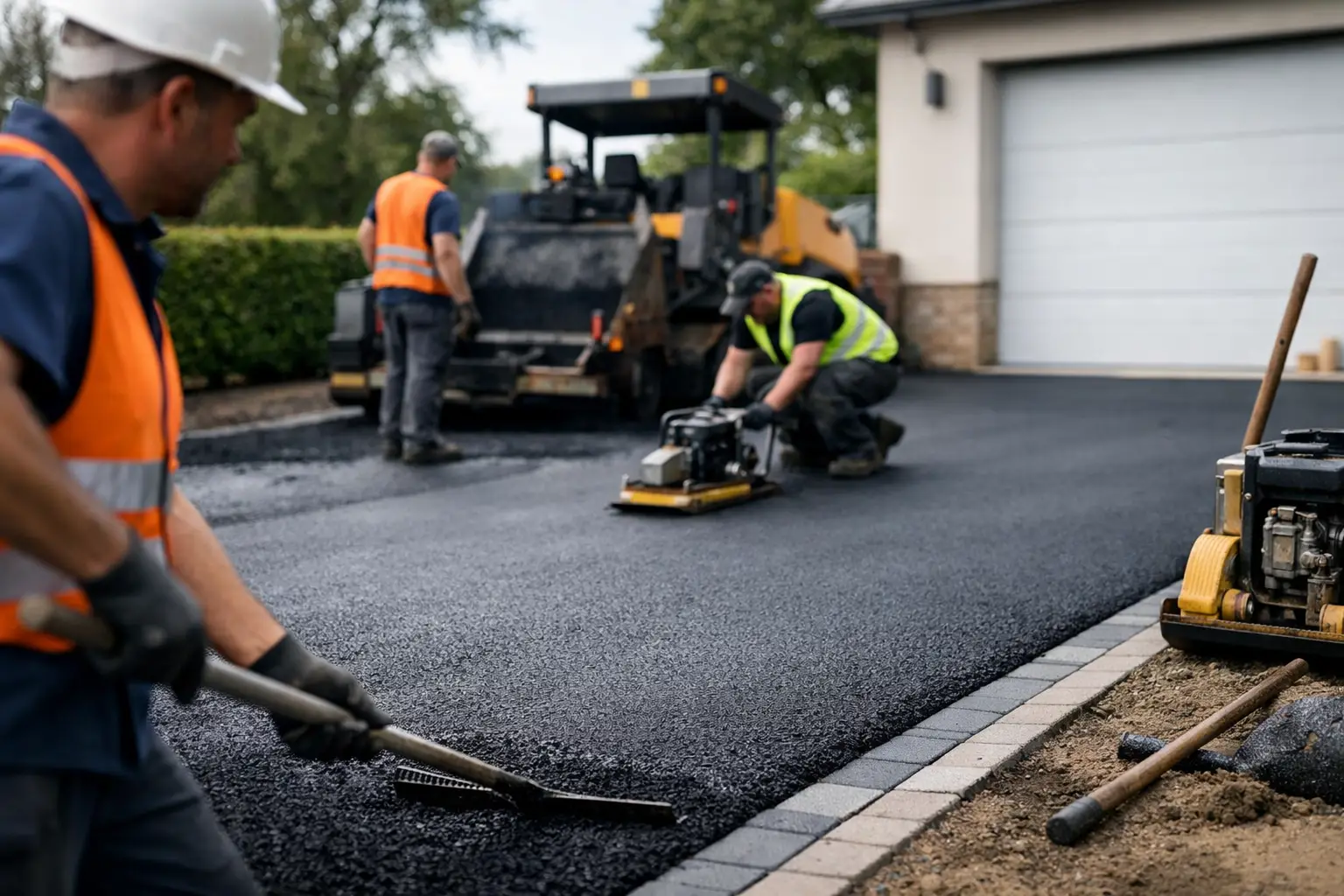
Choosing Tarmac Driveway Specialists
A driveway usually tells you very quickly whether a contractor knew what they were doing. Clean edges, proper drainage, a smooth finish and a surface that stays firm through wet weather all point to one thing – experienced tarmac driveway specialists. If the surface starts dipping, cracking or holding water not long after installation, the problem is rarely just the material. More often, it comes back to preparation, levels and workmanship.
For homeowners, landlords and site managers, that matters because a driveway is not a cosmetic extra. It takes vehicle weight every day, affects access and safety, and shapes the first impression of a property. A good tarmac finish looks smart, but its real value is in how well it performs over time.
Why tarmac driveway specialists make a difference
Tarmac is often chosen because it is cost-effective, durable and quicker to install than many alternatives. That does not mean every tarmac driveway is equal. The quality of the finished surface depends heavily on the groundworks underneath, the condition of the existing base, the way levels are set and how the material is laid and compacted.
That is where specialist experience matters. A contractor who works with surfacing every day will know how to assess the sub-base, spot drainage issues early and recommend the right approach for the traffic the driveway will carry. A domestic driveway used by two cars needs a different build-up from an access route serving vans or frequent heavier vehicles.
There is also the issue of longevity. A driveway that is installed properly should cope with regular use and changing weather without breaking down prematurely. In Scotland and the North of England, where rainfall, frost and temperature swings can all take their toll, the standard of installation becomes even more important.
What good tarmac driveway specialists should assess first
A proper quote should be based on more than a quick glance from the gate. Before any work starts, the contractor should look at the existing surface, the ground beneath it, the fall of the driveway and how water currently drains away.
The condition of the existing base
If the foundation is poor, laying fresh tarmac over the top is only a short-term fix. In some cases, an overlay can work if the structure underneath is still sound. In others, the only reliable option is to excavate and rebuild. A dependable contractor will be clear about which is which instead of pushing the cheapest-looking option just to win the job.
Drainage and water run-off
Standing water is one of the most common signs of a driveway laid without enough care. Water should move away from the surface in a controlled way, not sit in low spots or run towards the property. Getting the levels right is basic surfacing practice, but it is also one of the areas where poor workmanship shows up fastest.
Edge support and finish
Strong edges help keep the driveway stable. Without proper support, tarmac can begin to spread or break away at the sides over time. That is especially relevant where vehicles regularly turn or park close to the edges.
Cost matters, but cheap work often costs more
Most customers start by asking the right question – how much will it cost? The honest answer is that it depends on size, access, ground conditions, preparation work and whether the job is a full reconstruction or a resurfacing project. Any contractor giving a fixed price without understanding those details is guessing.
The cheaper quote is not always poor value, and the highest quote is not always the best. What matters is what is included. One price may cover excavation, waste removal, a proper sub-base, edge work and a guaranteed finish. Another may allow for little more than a thin surface laid over existing defects. On paper they can look similar. In reality they are not the same job.
A clear quote should explain the scope of works in plain language. That gives you a fair basis for comparison and avoids arguments later about what was or was not included.
Tarmac driveway specialists and the installation process
Customers do not need a lesson in surfacing theory, but they do need to know whether a contractor follows a sound process. The basics should be straightforward.
First comes preparation. That may involve excavation, removal of failed material, grading and compacting the sub-base. If the base is weak, no amount of fresh tarmac on top will make it last.
Next comes setting levels and ensuring water drains correctly. This stage is easy to underestimate because much of it is not visible once the driveway is complete. It is also where a lot of the long-term performance is decided.
Then the tarmac is laid and compacted correctly to achieve an even, durable finish. Timing, material handling and compaction all matter. Rushed work tends to show.
Finally, the site should be left tidy and the customer should know when the surface is ready for use. A reliable contractor keeps disruption to a minimum and makes the handover clear.
When repairs are enough and when replacement is the better option
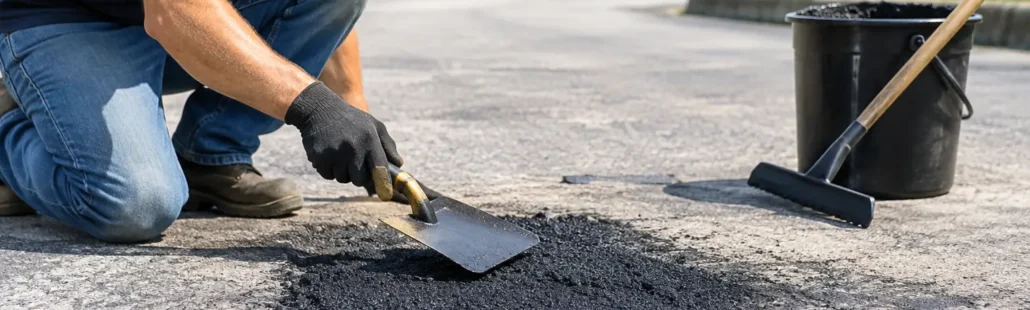
Not every driveway needs to be fully replaced. Localised damage, minor surface wear or small defects can sometimes be repaired effectively, especially if the wider structure is still in good condition. That can be the most sensible choice where the aim is to restore appearance and function without unnecessary cost.
There are times, though, when repairs only delay the inevitable. If the driveway has widespread cracking, failed edges, sinking areas or long-standing drainage problems, patching it may give a short improvement but not a proper solution. In those cases, replacing the surface and dealing with the underlying issues is usually the better investment.
A trustworthy contractor will explain that trade-off honestly. If a repair is enough, they should say so. If it is not, they should also say so.
What to ask before hiring tarmac driveway specialists
The best contractors are usually the easiest to deal with because they keep things clear. They should be able to explain what preparation is needed, how long the job is likely to take, what finish you can expect and whether the work is insured and guaranteed.
It also helps to ask whether they regularly carry out both domestic and larger-scale surfacing work. A contractor with broader road surfacing experience often brings stronger knowledge of groundworks, compaction and long-term wear. That is useful on driveways where access, loading or drainage conditions are more demanding than average.
For customers in busy towns and cities such as Edinburgh, Glasgow, Manchester or Newcastle upon Tyne, practical site management can matter just as much as the finish itself. Restricted access, traffic, shared entrances and limited working space all need to be handled properly to keep the project moving.
Appearance counts, but performance comes first
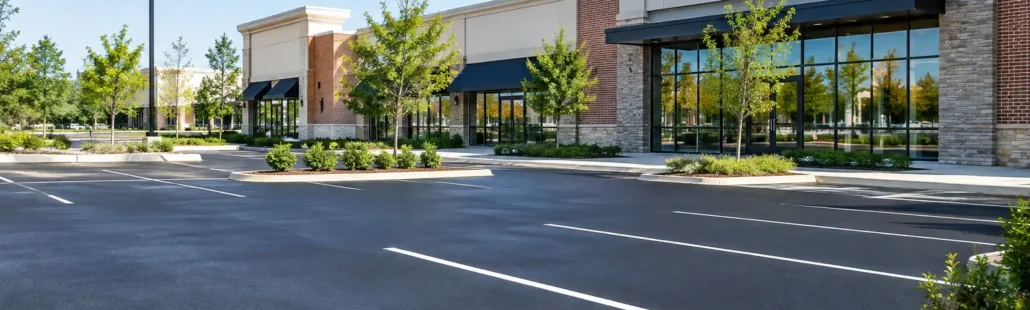
A fresh tarmac driveway gives a property a cleaner, smarter look almost immediately. It can improve kerb appeal and make the entrance easier to maintain. For commercial premises, it also presents a more professional image and supports safer vehicle and pedestrian access.
Still, appearance should not be the only selling point. A driveway needs to be built for daily use. If it looks tidy on day one but starts failing after the first winter, it has not done its job. The best results come from combining a neat finish with proper structure underneath.
That practical approach is what most customers are really paying for. They want a surface that performs, drains properly, stands up to traffic and does not create avoidable maintenance costs a year down the line.
Choosing a contractor with confidence
Hiring a surfacing contractor should not feel like a gamble. You are looking for clear advice, realistic pricing, dependable workmanship and a team that turns up when they say they will. Whether the job is a private driveway or part of a wider access improvement, the same standards apply.
A company such as EB Road Surfacing is expected to deliver that level of reliability because customers are not simply buying tarmac. They are buying a finished surface that needs to be safe, durable and fit for purpose from the start.
If you are comparing options, focus on the contractor who takes the time to assess the job properly and explain the work without dressing it up. That usually tells you more than any sales pitch. A well-built driveway should make life easier for years, and the right specialist will treat it that way from the first visit.