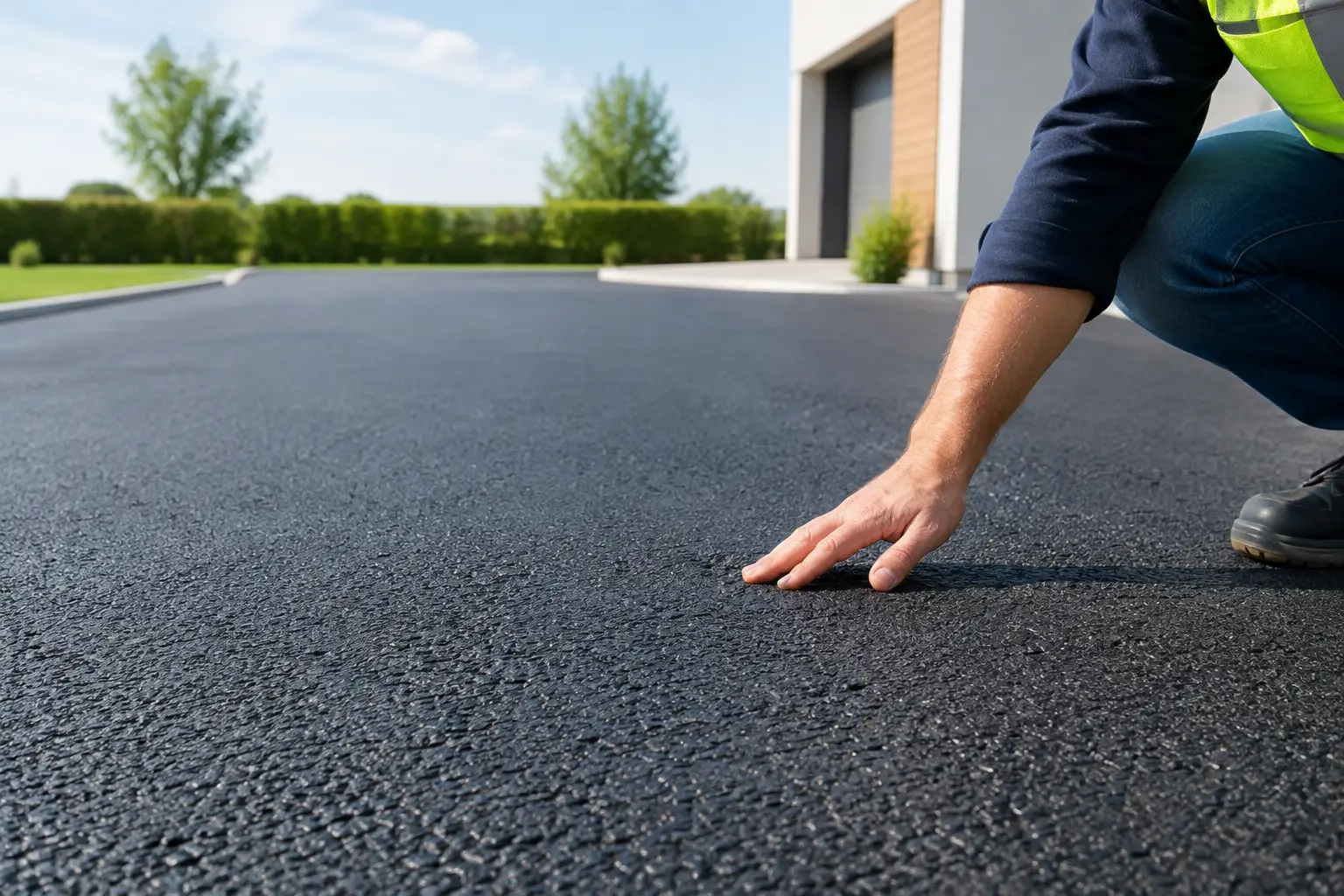
Tarmac Lifespan Questions Answered Clearly
A sound tarmac surface should not become a recurring repair job. Yet many of the most common tarmac lifespan questions come from property owners and site managers who are seeing cracks, loose edges or standing water far sooner than expected. The answer is rarely just a number of years. How the surface was built, what uses it and how water is managed will decide whether it performs reliably or deteriorates early.
For driveways, private roads, car parks and access routes, the best approach is to assess the whole construction rather than judge the top layer alone. A professional survey can establish whether a repair is sensible or whether resurfacing will offer better value over the years ahead.
How long should tarmac last?
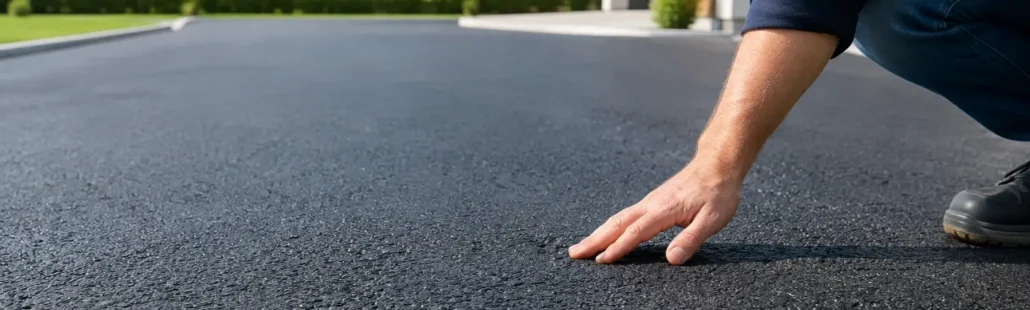
A properly installed tarmac driveway commonly lasts around 15 to 20 years, and sometimes longer with regular care and modest vehicle use. Commercial car parks and access roads may have a similar working life, but the expectation changes where there is frequent traffic, turning HGVs, delivery vehicles or heavy plant.
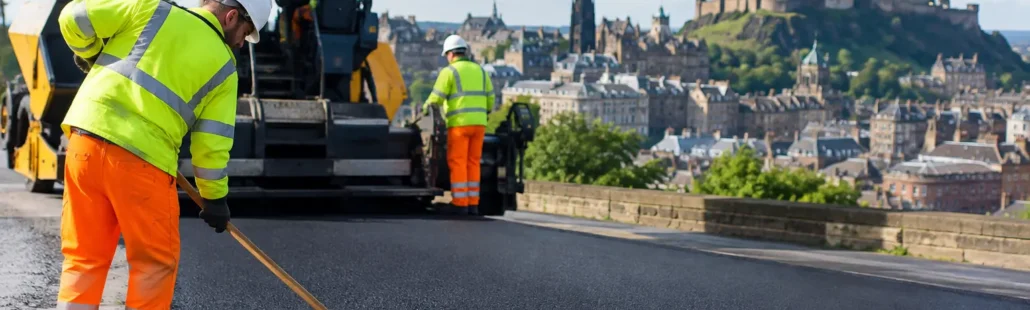
A well-designed road surface can remain serviceable for 20 years or more. However, it may need local repairs, drainage improvements or periodic surface treatments before it reaches that age. Longevity is not simply about having the thickest possible layer of tarmac. It depends on matching the design to the site and the traffic it will carry.
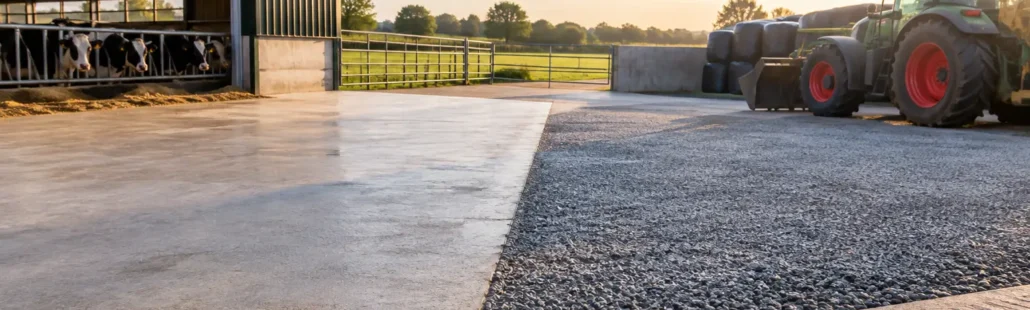
A lightly used domestic driveway on a stable base is very different from a trade yard used by loaded lorries. Treating both as the same job is one of the quickest routes to premature cracking and rutting.
The factors that decide a tarmac surface’s lifespan
The condition of the foundation
Tarmac is flexible, but it cannot compensate for a poor base. The sub-base beneath the surfacing distributes weight and helps the ground remain stable. If it is too thin, poorly compacted or laid over weak ground, movement below will appear above as cracks, dips and wheel-track depressions.
Existing surfaces can also hide problems. Resurfacing over a failed base may improve appearance for a while, but it will not stop underlying defects returning. In some cases, local excavation and reconstruction is enough. In others, particularly where widespread movement is present, a full rebuild is the more dependable investment.
Water and drainage
Water is one of the main causes of tarmac failure in the UK. Standing water can enter small cracks, weaken the base and worsen during freeze-thaw conditions. On car parks and access roads, poor falls can leave puddles in traffic lanes, creating both a safety concern and an avoidable maintenance issue.
A durable scheme directs water towards suitable drainage points and avoids trapping it against buildings, kerbs or edges. Surface water must also be considered carefully on domestic work, where drainage arrangements need to suit the property and site conditions. A smooth finish is not enough if rain has nowhere to go.
Traffic, turning and braking
Straight-line traffic is less demanding than slow, repeated turning. Tyres can scuff and stress the surface at car park entrances, loading areas, tight corners and busy junctions. Braking zones and locations where lorries turn sharply often need a stronger construction or a material chosen for heavier use.
This is why an accurate description of site traffic matters when requesting a quote. A surface used by family cars needs a different specification from one serving delivery vehicles, refuse lorries or construction traffic. Getting that detail right before work starts helps avoid spending twice later.
Installation quality and weather
Tarmac needs to be laid, levelled and compacted correctly while it is workable. Poor compaction can leave voids and reduce resistance to water and traffic. Weak joints, uneven levels and thin edges can all shorten its life, even if the surface looks presentable on the day it is laid.
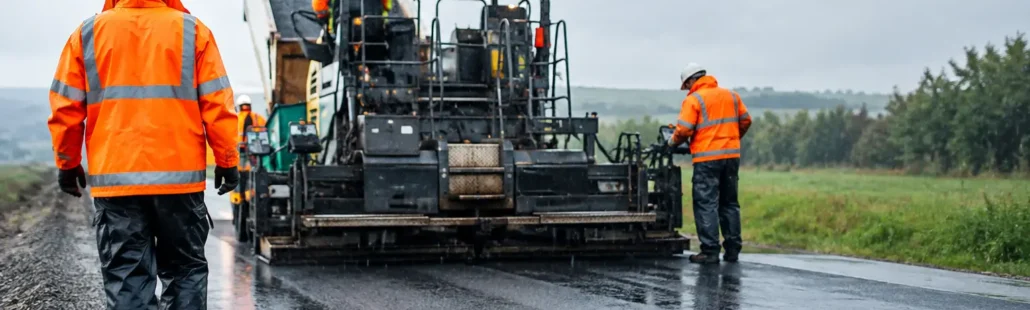
Weather also affects installation. Professional contractors plan work around suitable conditions and manage each stage efficiently, from preparing the base to rolling the finished surface. Rushing a job in unsuitable conditions is a false economy.
Tarmac lifespan questions: when is damage repairable?
Not every crack means a surface has reached the end of its life. Early action can often prevent a small defect becoming a wider failure. The key question is whether the damage is local and stable, or evidence that the base and drainage are failing.
Fine, isolated cracks may be sealed before water enters. Small potholes can usually be cut out, repaired and compacted properly. Localised edge damage is often repairable where vehicles have overrun the boundary or where an edge has lacked support.
Repairs become less effective when defects cover a large area, cracks keep reopening, or the surface has widespread dips and depressions. If water is pooling across the site or wheel tracks are visibly sinking, patching individual spots may only delay the inevitable. Resurfacing, with base repairs where required, usually gives a more consistent finish and a longer-term result.
For commercial sites, it is also worth considering operational disruption. A series of reactive pothole repairs can cost more in management time, vehicle damage risk and inconvenience than planned maintenance carried out at the right time.
Warning signs that should not be ignored
Surface ageing is normal, but these signs should prompt an inspection rather than a wait-and-see approach:
- Cracks that widen, branch across the surface or reappear after repair.
- Potholes, loose material or areas where the surface is breaking away.
- Standing water that remains well after rainfall has stopped.
- Rutting or depressions in wheel paths, entrances and turning areas.
- Crumbling edges, especially beside kerbs, verges or drainage channels.
- Faded road markings that affect safe vehicle movement or pedestrian routes.
Some of these issues are cosmetic at first. Others can quickly become trip hazards, vehicle hazards or drainage problems. On sites open to staff, customers or the public, prompt maintenance also helps demonstrate that safety has been properly considered.
How to extend the life of tarmac
The most useful maintenance is straightforward and timely. Keep drainage channels, gullies and gratings clear so water can leave the surface. Remove soil, leaves and moss where they hold moisture against the tarmac. Deal with small cracks and potholes early, before water reaches the layers beneath.
Avoid allowing heavy vehicles to use areas not designed for them, particularly soft verges and unsupported edges. Where loading and turning cannot be avoided, it may be sensible to reinforce those areas as part of a maintenance or resurfacing plan.
For car parks and private roads, clear line marking and sensible traffic flow can reduce unnecessary turning and braking in the same location. It also makes the site safer and easier to use. Periodic inspections are particularly worthwhile after winter, following heavy construction traffic, or when drainage patterns have changed.
Surface dressing can be a practical option for suitable roads and larger areas where the structure remains sound but the surface needs renewed texture, grip and weather protection. It is not a cure for deep structural defects, so the condition of the base must be checked first.
Does resurfacing add years to a failing surface?
It can, provided the existing surface and foundation are suitable. Resurfacing normally involves preparing the old surface, addressing local defects, adjusting levels where necessary and applying a new tarmac layer. It is often faster and more cost-effective than full reconstruction, especially where the sub-base remains stable.
Where there are major drainage failures, deep rutting or extensive structural cracking, a simple overlay may not be the right answer. The new layer can reflect the old problems if they have not been dealt with properly. A reliable contractor will explain where a repair or overlay is appropriate and where excavation is the honest recommendation.
Getting the right answer for your site
The best response to tarmac lifespan questions is based on what is happening beneath and around the surface, not only what can be seen from the gate. A site assessment should consider current damage, drainage, ground stability, traffic loads and the result you need from the finished area.
For homeowners, that may mean a driveway that stays tidy, drains properly and adds to the appearance of the property. For facilities teams and commercial operators, it may mean safer access, fewer reactive repairs and work planned around trading hours or site operations. EB Road Surfacing can assess these practical requirements and recommend a repair, resurfacing or reconstruction option that is suited to the job.
If cracks, potholes or standing water are appearing, acting while the issue is contained is usually the most cost-effective move. A properly specified repair today can protect the life of the whole surface tomorrow.