Asphalt Surfacing for Roads, Yards and Drives
A worn surface tells you more than most people realise. Standing water after rain, loose aggregate, cracking at the edges and potholes forming in wheel tracks are all signs that the surface is no longer doing its job properly. Asphalt surfacing is often the most practical fix because it gives you a durable, tidy and cost-effective finish without dragging the job out longer than necessary.
For property owners, site managers and organisations responsible for access routes, the real question is not whether a surface looks tired. It is whether it is becoming unsafe, expensive to maintain or difficult to use. That is where getting the right surfacing specification matters.
What asphalt surfacing is designed to do
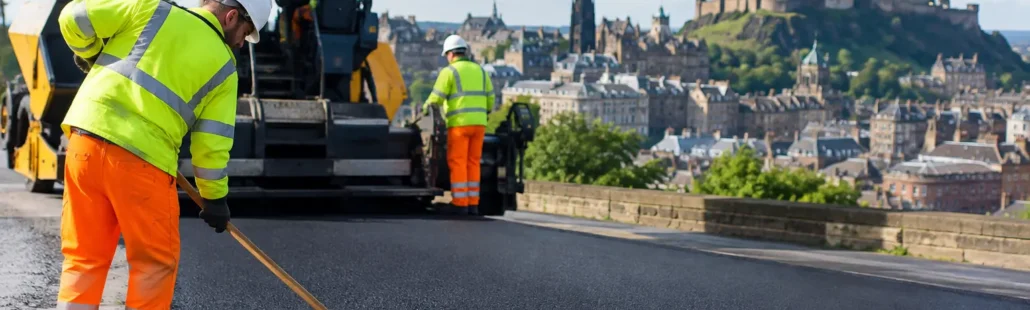
Asphalt surfacing creates a hard-wearing top layer that can cope with regular traffic, changing weather and day-to-day wear. It is commonly used for roads, car parks, forecourts, private lanes, pathways and driveways because it provides a smooth finish and can be laid efficiently across both small and large areas.
The main advantage is balance. Asphalt gives you strength, a clean appearance and relatively quick installation compared with many alternative surface options. For commercial sites, that often means less disruption. For homeowners, it means a driveway that looks smart and performs properly without constant patching.
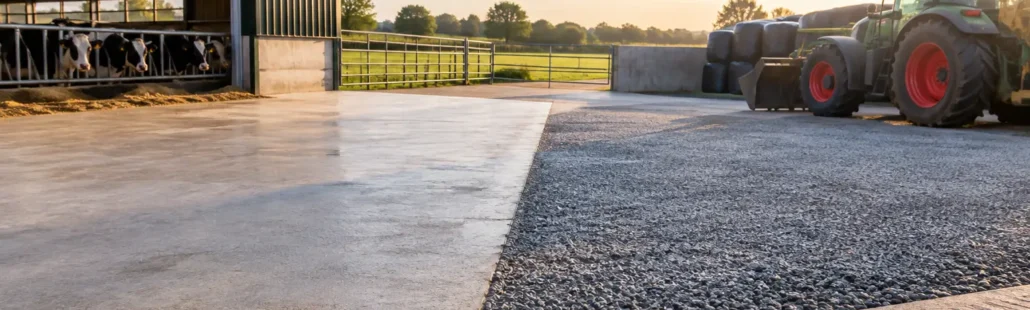
That said, not every site needs exactly the same build-up. A domestic drive used by two cars needs a different approach from a delivery yard or a private road carrying heavier vehicles. Good surfacing work starts with the expected traffic load, the condition of the base and the drainage, not just the top coat.
Where asphalt surfacing works best
One reason asphalt remains widely used is that it suits a broad range of applications. It performs well on roads and access routes where reliability matters, but it is just as useful on domestic projects where appearance and ease of maintenance are part of the decision.
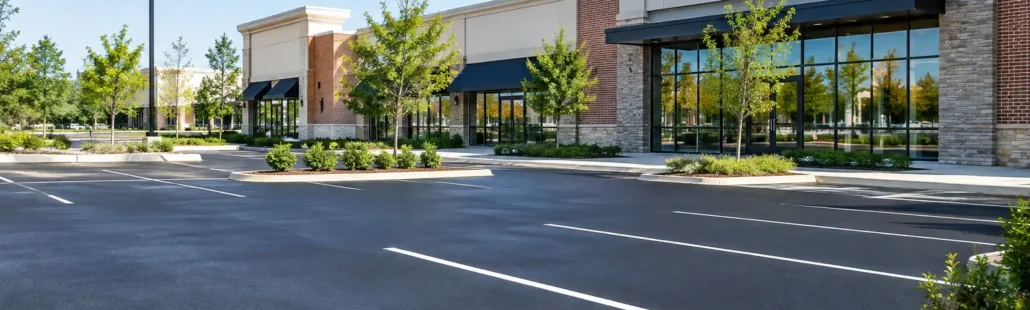
For commercial premises, asphalt is a sensible choice for car parks, service roads, loading areas and shared access points. It provides a neat, professional finish and supports line marking well, which helps with traffic flow and safety.
For residential properties, it is popular on driveways and private lanes because it delivers a clean, uniform surface that is easier to use in poor weather than loose stone or broken concrete. It also tends to be more forgiving on tyres and easier to keep tidy.
Why some surfaces fail early
People often blame the material when a surface breaks up too soon, but the problem is usually deeper than that. If the sub-base is weak, if water is not draining away correctly or if the area was never designed for the traffic using it, the top layer will suffer.
Cracks, rutting and potholes are often symptoms rather than the root cause. You can patch the surface, and sometimes that is the right short-term choice, but if the foundation is moving or water is getting in underneath, the defects will come back.
This is why a proper site assessment matters before any resurfacing starts. In some cases, an overlay is enough. In others, sections need to be excavated and rebuilt so the new asphalt has a sound base to sit on. Spending a little more on preparation usually saves far more in future repairs.
Asphalt surfacing or a cheaper repair?
This depends on the condition of the area and what you need from it. If a surface has a few isolated defects, localised repair work may be enough to restore safety and buy more time. That can make sense for budget control, especially on larger commercial sites where maintenance is phased.
If the surface is failing across a wider area, patching can become false economy. Repeated repairs may keep the site operational, but they rarely restore a consistent finish and can start to cost more than planned resurfacing. You also end up with more disruption over time because the same areas need attention again and again.
For many clients, resurfacing is the better option once defects are widespread. It improves appearance, removes trip hazards and surface weaknesses, and gives a more reliable result over the longer term.
What affects the cost of asphalt surfacing
Price matters, but the cheapest quote is not always the cheapest job once it is finished. The overall cost depends on the area size, current condition, amount of preparation required, access to the site, drainage needs and the thickness and type of asphalt being laid.
A straightforward overlay on a sound existing base is naturally more cost-effective than a full dig-out and reconstruction. Likewise, a clear, open site is easier to complete than one with restricted access, parked vehicles, awkward levels or heavy traffic management requirements.
Commercial buyers usually look beyond the initial figure and focus on value. If the work is completed properly, on time and with the right materials, the surface should last longer and need less remedial work. That is where experienced contractors make a difference. Good planning, suitable machinery and proven methods reduce waste, delays and costly mistakes.
The role of drainage in asphalt surfacing
Water is one of the biggest causes of surface failure. If it sits on top of the asphalt or seeps into weak areas at the edges, deterioration speeds up. In colder periods, freeze-thaw action can make existing cracks and small defects worse very quickly.
That is why drainage should never be treated as an afterthought. Falls, channels, gullies and edge details all need to work together so water moves away from the surface properly. On driveways and private land, surface water management may also need to take account of surrounding ground levels and nearby buildings.
A surface can look perfectly sound on the day it is finished, but if drainage has been ignored, problems follow. The best asphalt surfacing jobs are built for the weather as much as the traffic.
How long the work usually takes
Clients often expect resurfacing to be slow and disruptive, but a well-managed project can move quickly. Smaller domestic areas may be completed within a day or two depending on preparation. Larger roads, yards and car parks take longer, but an organised contractor will phase the work to keep disruption under control wherever possible.
Timing depends on more than the laying itself. Preparation, excavation, kerb adjustments, drainage works and curing time all affect the programme. Weather can also play a part, particularly in Scotland and the North of England, where conditions can change quickly.
The important point is clarity. You should know what is being done, how long it is likely to take and whether access restrictions are needed during the works. Straight answers matter just as much as the surface finish.
Choosing the right contractor for asphalt surfacing
Not all surfacing contractors offer the same level of service. Some can lay material, but that is not the same as managing a project properly from quote to completion. You want a contractor who understands preparation, drainage, traffic use, edge restraint, finishing and aftercare.
For commercial and public-facing sites, reliability is critical. Delays affect operations. Poor workmanship creates safety risks. Weak finishing around ironwork, kerbs or service covers is often where problems start. For domestic customers, the priority may be a tidy finish, sensible pricing and confidence that the driveway or access road will last.
Look for a contractor that is insured, clear about scope, realistic about timescales and willing to explain what the site actually needs. A no-nonsense approach is usually a good sign. If the advice sounds vague or the quote skips over preparation, that should raise questions.
When to act
The best time to deal with surface wear is before it becomes a bigger structural problem. Small cracks turn into water ingress. Water ingress leads to weakness. Weak areas become potholes, edge failure and uneven levels. Once that cycle starts, repair costs rise.
If your road, car park, yard or driveway is already showing repeated defects, it is worth getting it assessed properly rather than continuing with short-term fixes. In many cases, prompt action keeps the job simpler, faster and more affordable.
At EB Road Surfacing, that is how we approach asphalt surfacing – practical advice, reliable workmanship and the right solution for the way the area is actually used. A surface should do more than look new for a few weeks. It should stay safe, hold up to traffic and give you one less problem to deal with.