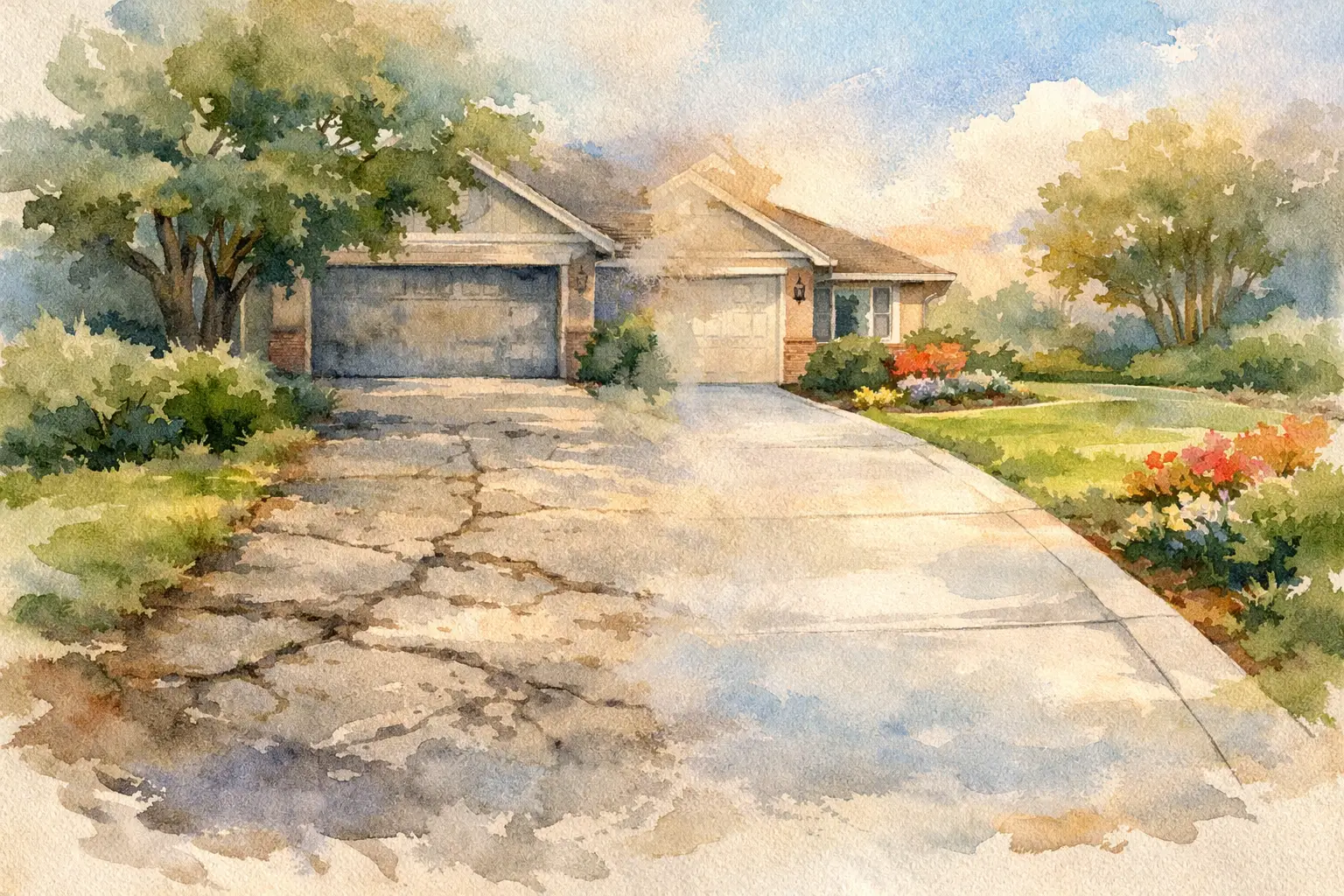
Driveway Replacement Before and After
The difference in a driveway replacement before and after is rarely just cosmetic. What starts as cracked edges, standing water, loose aggregate or patchy repairs often ends with cleaner access, better drainage, safer footing and a property frontage that looks properly finished again. That is why the best results are not only about the final surface. They come from getting the structure underneath right.
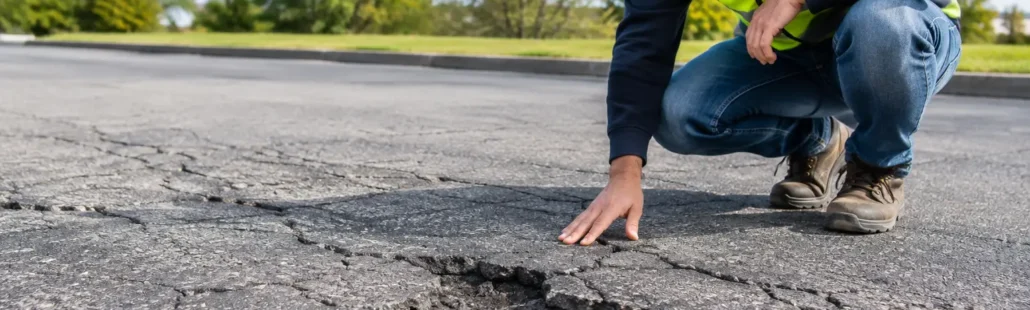
A worn driveway tells its own story. You might see ruts where vehicles regularly turn, puddles that sit long after rain, crumbling borders, or old repairs that never matched in colour or level. On domestic properties, that affects kerb appeal and day-to-day use. On commercial sites, it can create a poor first impression and raise avoidable safety concerns.
What driveway replacement before and after really means
When people look for driveway replacement before and after examples, they usually want proof that replacing the surface is worth the cost and disruption. Fair enough. The visible transformation matters. But the real value sits in what changes beneath and around the finished surface.
Before replacement, many driveways have one or more underlying issues. The base may have weakened over time. Water may be draining towards the house or pooling in low spots. Edges may have broken down because the surface was never properly restrained. In some cases, the original driveway was simply not built for the weight or frequency of vehicles now using it.
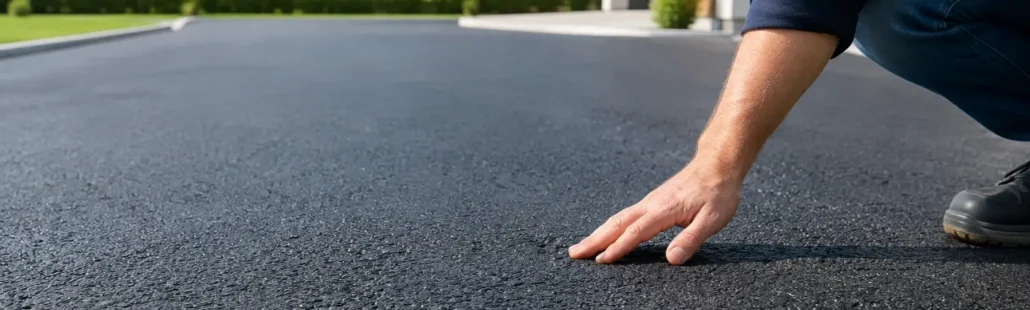
After replacement, the improvement should be seen in three areas at once. The driveway should look smarter, perform better in wet and cold weather, and hold up under regular use without early failure. If any one of those elements is missing, the job has only been partly done.
The most common signs a driveway needs full replacement
Repairs have their place, but there is a point where patching stops being cost-effective. If the surface has widespread cracking, repeated potholes, deep settlement or long-standing drainage problems, replacing the full driveway often makes more sense than chasing one repair after another.
This is especially true where the issues are structural rather than surface-level. A fresh top layer laid over a weak base may look good for a short time, but it will not stay that way. That is why experienced contractors assess the whole area, not just the visible damage.
Older driveways also tend to suffer from uneven wear. One part may still look serviceable while another has started to break away badly. In those cases, partial replacement can sometimes work, but only if the levels, drainage and tie-ins are handled properly. Otherwise the finished result can look pieced together and wear unevenly.
Before replacement – what is usually going wrong
Most failed driveways do not fail all at once. They deteriorate gradually, and the warning signs are easy to miss until the surface becomes a problem.
Poor drainage is one of the biggest causes. If water sits on the surface or runs where it should not, it weakens the structure over time. During colder periods, freeze-thaw action can make existing cracks and weak spots worse. That is often why a driveway suddenly seems to age quickly after a bad winter.
Traffic load is another factor. A driveway used by multiple vehicles, vans or heavier traffic needs stronger preparation than a lightly used domestic entrance. If the original build was too thin or poorly compacted, movement becomes inevitable.
There is also the issue of age and previous repair work. Once a driveway has been patched several times, the overall finish often becomes uneven in both appearance and performance. You can end up with a surface that is technically usable but no longer practical, tidy or reliable.
After replacement – what a proper result should deliver
A strong after result is more than a smooth black finish or neat block lines. The driveway should be level where it needs to be level, but still graded correctly for runoff. It should feel solid underfoot and under vehicle weight. Entry and exit points should be easier to use, especially where there were previous dips, ridges or broken edges.
For many property owners, the biggest difference is how quickly the whole frontage looks more organised. A new driveway can make walls, fencing, garage doors and the house itself look better maintained, even if nothing else has changed. That visual improvement matters, but so does the practical side. Less loose material, fewer trip risks and better water management all make daily use easier.
On commercial premises or shared access areas, the after effect is often about function first. Cleaner line definition, safer vehicle movement and a more professional appearance can all come from replacing a tired surface properly.
Choosing the right material for the best before and after result
Material choice shapes the final result, but there is no single best option for every site. It depends on use, budget, ground conditions and the look you want.
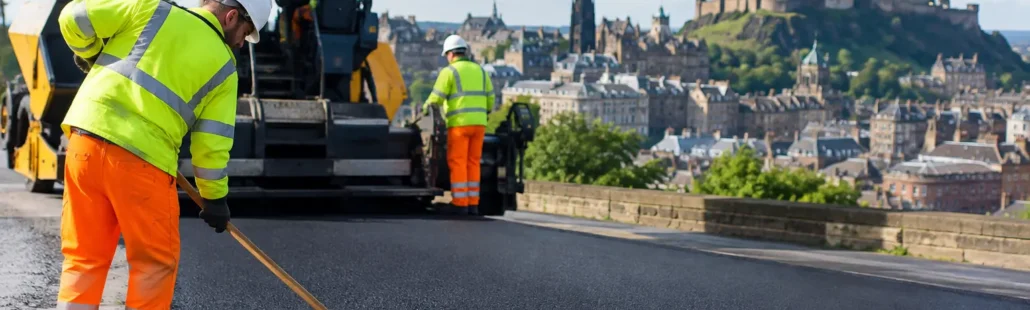
Tarmac remains one of the most practical choices for many driveways. It gives a clean, durable finish, suits both domestic and commercial settings, and can be laid efficiently when the groundwork is right. It is particularly strong for properties where reliability and easy maintenance matter more than decorative detail.
Asphalt offers similar benefits and is often chosen where a smooth, hard-wearing finish is needed. Block paving can create a more detailed appearance, but it usually requires more maintenance over time and needs very good preparation to avoid movement. Gravel can work in some settings, though it does not deliver the same crisp before and after contrast in terms of accessibility and containment.
The right answer depends on what you need the driveway to do over the next ten or fifteen years, not just what looks best on day one.
Why groundwork matters more than the surface finish
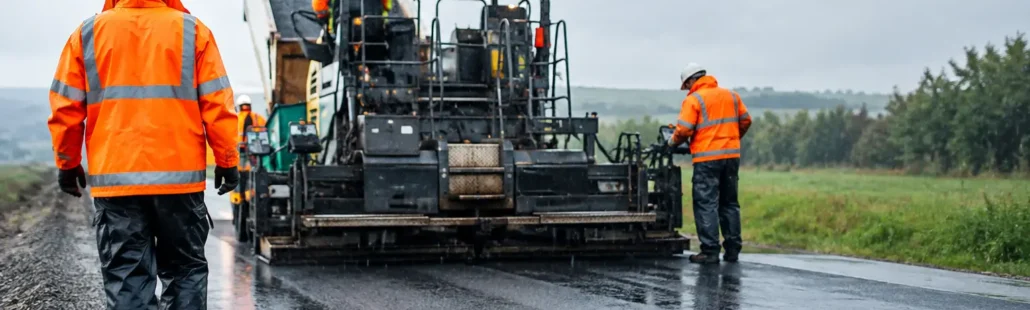
This is the part many customers do not see, but it is the part that determines whether the after photos still look good two years later. Excavation depth, sub-base quality, compaction, edging and drainage all matter. If those are handled properly, the finished surface has a much better chance of lasting.
If they are rushed, the job can start to fail early, even if the new surface looked excellent at handover. That is why a reliable contractor will not treat every driveway as a simple overlay. Some can be resurfaced. Others need to be removed and rebuilt from the ground up.
For sites with access issues, poor ground, or long-standing standing water, a bit more preparation at the start often saves a lot of trouble later. It may add to the initial cost, but it usually improves value over the life of the driveway.
How long does a driveway replacement take?
That depends on size, access, weather and the scope of work. A straightforward domestic driveway can often be completed quickly, while larger areas or sites needing deeper excavation, drainage work or edging adjustments will take longer.
The important point is not just speed. It is planning the work so disruption stays manageable and the finish is not compromised. For busy households, farms, managed properties or commercial premises, that matters just as much as the final appearance.
A good contractor should explain what happens first, what access will be needed, and when the area can be used again. Clear communication makes the whole process easier, especially where vehicles need to be moved or access maintained as much as possible.
Cost versus value in driveway replacement before and after projects
Price matters, but the cheapest quote does not always deliver the best before and after result. If a lower price means reduced excavation, a weaker base or shortcuts on drainage, the savings can disappear quickly once defects start to appear.
A better way to look at value is to ask what the replacement solves. Does it remove repeated repair costs? Does it improve safety? Does it make the property easier to maintain and present better? Does it add a more durable surface that can handle regular traffic without recurring issues?
For many customers, that wider value is what justifies replacement. The improvement is visible straight away, but the real return comes in reduced maintenance and a more dependable surface over time.
What to expect from a dependable contractor
A proper driveway replacement should start with a clear site assessment and an honest recommendation. Sometimes that means full replacement. Sometimes it means partial work or resurfacing is enough. The right advice is not always the most expensive option.
You should expect straightforward pricing, a clear scope of work, and realistic timescales. You should also expect the contractor to explain drainage, preparation and finish choices in plain terms. There is no need to overcomplicate it, but there does need to be a solid plan.
For customers across Scotland and the North of England, that mix of practical advice and dependable workmanship is often what makes the difference between a driveway that simply looks new and one that actually performs properly. That is the standard EB Road Surfacing works to.
If you are weighing up whether replacement is worth it, the clearest answer usually comes from the site itself. When a driveway has become uneven, tired and costly to keep patching, the before and after difference is not hard to justify. A well-built replacement gives you a surface that looks right, drains properly and stands up to the job it has to do every day.