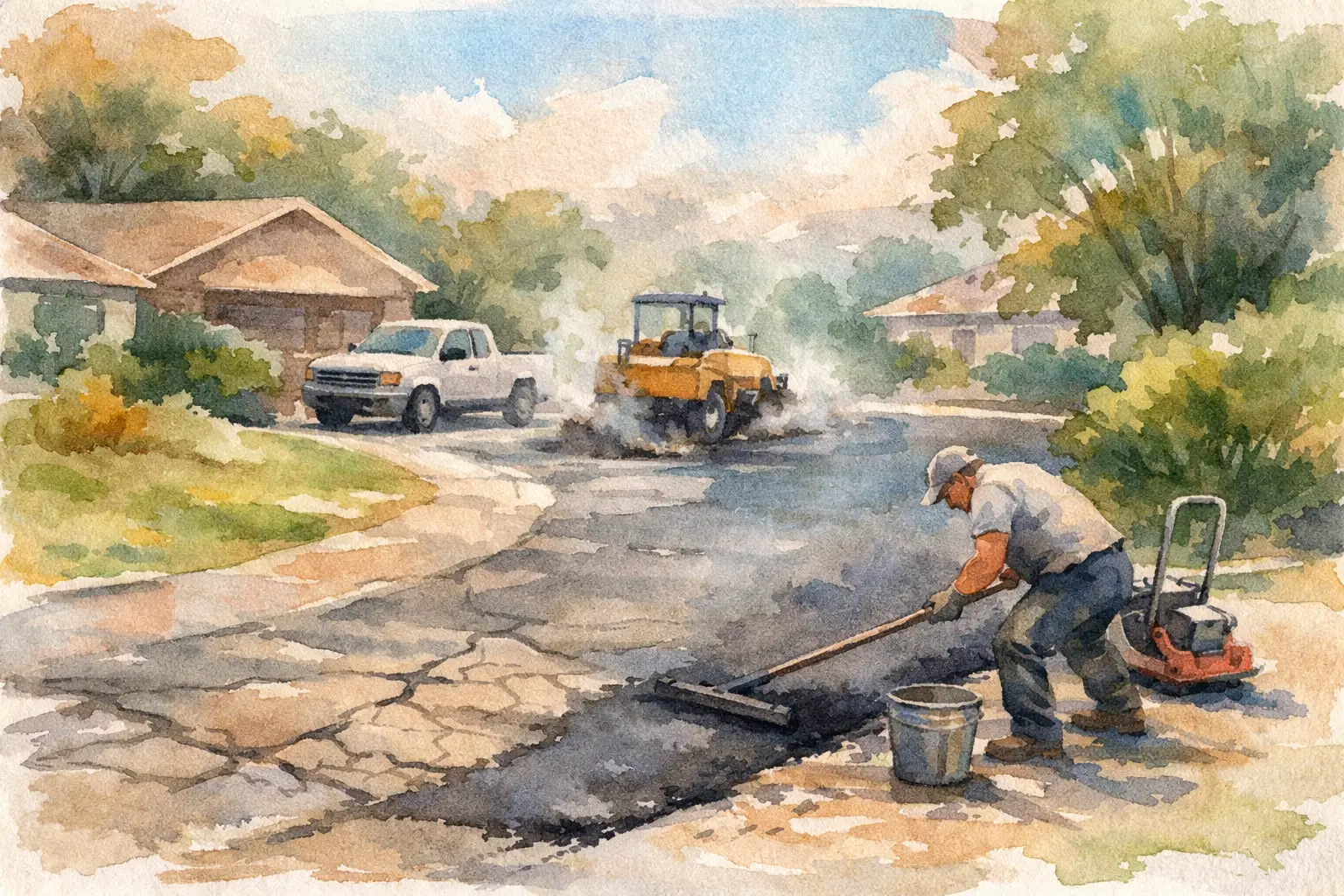
When Should Driveways Be Resurfaced?
A driveway rarely fails all at once. It usually starts with a few small cracks, some loose edges, a patch that holds water after rain, or a surface that simply looks tired no matter how often it is cleaned. If you are asking when should driveways be resurfaced, the answer is usually before those early signs turn into structural damage and a much bigger bill.
For most property owners, resurfacing is the right option when the existing driveway is worn on top but still basically sound underneath. That is the key point. Resurfacing improves the top layer, restores appearance, and helps extend the life of the driveway, but it is not a cure for serious foundation failure. Knowing the difference can save time, money, and repeat repairs.
When should driveways be resurfaced rather than replaced?
Driveways should usually be resurfaced when there is visible surface wear but the base remains stable. In practical terms, that means the driveway may have light to moderate cracking, faded finish, shallow potholes, minor surface fretting, or uneven colour, but it is still carrying vehicles without widespread sinking or major movement.
This often applies to tarmac and asphalt driveways that have weathered over time. In the UK, repeated rain, frost, standing water, vehicle traffic, and ageing binder all take their toll. A driveway can go from looking perfectly serviceable to looking neglected in a fairly short period, especially if small defects are left untreated through winter.
If the sub-base is intact, resurfacing is normally more cost-effective than complete excavation and replacement. It is also quicker, less disruptive, and often the better choice for homeowners, landlords, and site managers who need a practical result without unnecessary groundworks.
Signs your driveway is ready for resurfacing
The clearest sign is surface deterioration that keeps spreading. A few isolated flaws are one thing. A driveway with multiple cracks, crumbling sections, worn aggregate, and poor drainage is telling you it needs attention.
Cracks are one of the main warning signs. Fine surface cracks can often be repaired, but when cracking starts to appear across wider areas, resurfacing becomes the more sensible option. The same applies when old repairs are failing and patching one area simply leads to another problem nearby.
Another common sign is water sitting on the surface after rain. This does not always mean the whole driveway has failed, but it does mean the surface profile may no longer be doing its job properly. Standing water weakens the surface over time and increases the chance of further cracking and potholes.
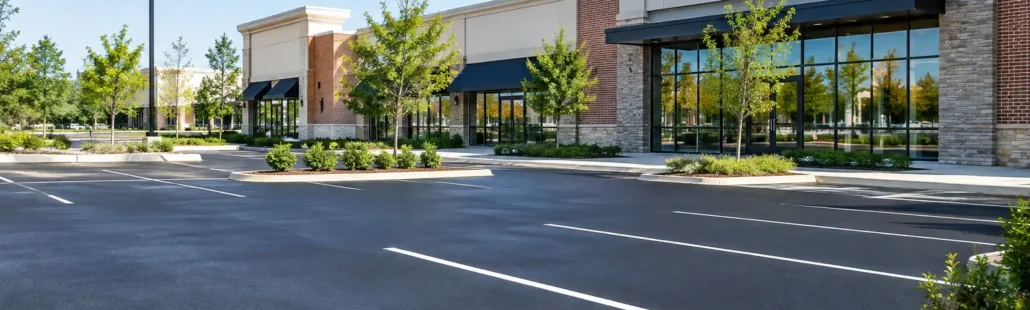
Appearance matters too, especially on domestic properties and customer-facing commercial sites. If the driveway looks badly faded, patchy, rough, or untidy, resurfacing can restore a cleaner, more uniform finish. That improves kerb appeal, but it also helps protect the surface from further wear.
You should also pay attention to edges. Once driveway edges begin to break away, the surface becomes more vulnerable to water ingress and vehicle damage. This is common where vehicles regularly turn tightly, mount the edge, or where drainage is poor.
When resurfacing is too late
There are times when resurfacing is not enough. If the driveway has serious subsidence, widespread potholes, deep rutting, or base failure, laying a new surface on top will only cover the problem for a short time.
A good contractor will look beyond the top layer. If large sections are moving under load, if cracks are reflecting through because the foundation is unstable, or if drainage problems are coming from the construction below, replacement is usually the right call. It costs more upfront, but it avoids paying twice.
This is where many property owners get caught out. A cheap surface fix can look fine on day one and start failing again far too soon. Proper assessment matters. The right solution depends on the condition of the existing structure, not just what is visible from the gate.
How often should a driveway be resurfaced?
There is no single timetable that suits every driveway. Usage, construction quality, drainage, weather exposure, and maintenance all affect lifespan. As a rough guide, an asphalt or tarmac driveway may need resurfacing after around 10 to 20 years, but that range can shift either way.
A lightly used domestic driveway with good drainage may stay in decent condition for longer. A commercial access road, car park entrance, or shared driveway carrying more traffic will generally wear faster. Heavy vehicles, delivery use, turning stress, and frequent braking all shorten the life of the surface.
The better question is not simply age, but condition. Some driveways look old yet remain structurally sound and suitable for resurfacing. Others start to fail much earlier because they were laid poorly, built on a weak base, or exposed to constant water penetration.
Seasonal timing matters
If you are wondering when should driveways be resurfaced during the year, milder and drier conditions are usually best. Spring, summer, and early autumn are often the most reliable periods for resurfacing work because surfaces are easier to prepare and materials can cure properly.
That said, the right contractor can advise based on current site conditions rather than the calendar alone. In parts of Scotland and the North of England, weather windows can be narrower, and delays caused by wet or freezing conditions are a practical consideration. Leaving work too late into winter can mean small surface defects become much worse by the time spring arrives.
If your driveway is already deteriorating, it is usually better to arrange an assessment early rather than wait for obvious failure. Preventative resurfacing is nearly always cheaper than emergency repair after a hard winter.
What resurfacing can actually fix
Resurfacing is designed to renew the wearing course of the driveway. It can improve texture, level out minor surface defects, deal with shallow damage, and create a fresh finish that is easier to maintain.
For domestic properties, this often means restoring a driveway that has become tired, patchy, or cracked from age and weather. For commercial premises, resurfacing can improve presentation, reduce trip risks, and support safer vehicle movement without the cost of rebuilding the whole area.
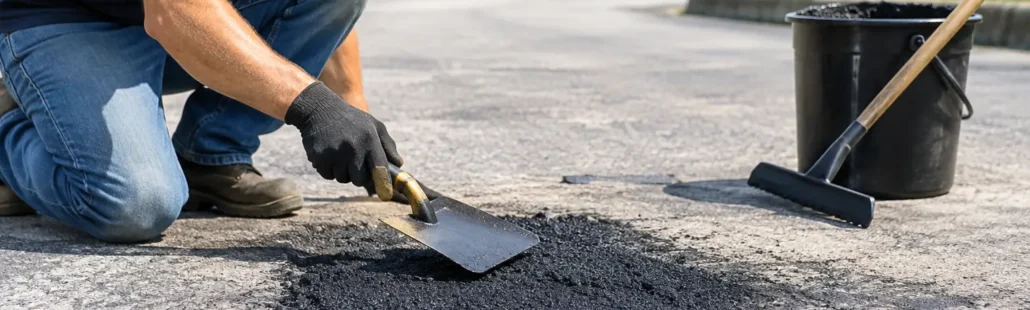
It can also be combined with localised repairs beforehand. For example, isolated weak spots, potholes, edge damage, or drainage adjustments may be dealt with first, followed by resurfacing across the wider area. That approach makes sense when the general structure is sound but a few sections need extra attention.
What affects the decision most?
The biggest factors are condition, traffic, drainage, and budget. If the driveway still has a reliable base, resurfacing is often the most sensible investment. If water is getting in because the surface is open or broken, resurfacing can stop that cycle before deeper layers are affected.
Traffic levels matter because they influence both wear and specification. A driveway serving one or two family cars has different demands from a forecourt, business unit, farm access, or mixed-use site. The right resurfacing method should match how the area is actually used.
Budget matters too, but the cheapest answer is not always the most economical. Repeated patch repairs on a failing surface can add up quickly while never really solving the issue. In many cases, resurfacing is the point where short-term repair and full replacement meet in the middle. It restores performance without the cost of starting from scratch.
Get the timing right and the job lasts longer
The best time to resurface a driveway is when defects are clear enough to justify action, but before the damage reaches the structure below. That is the balance. Move too early and you may be paying before it is necessary. Leave it too long and resurfacing may no longer be a viable option.
A professional inspection gives you a clear answer on whether the surface can be renewed or whether deeper reconstruction is needed. For homeowners, that means confidence you are not overspending. For commercial sites, it means less disruption, safer access, and a surface that is fit for purpose.
If your driveway is cracking, holding water, breaking at the edges, or looking increasingly worn, it is usually worth acting now rather than hoping another season will do no harm. A sound surface should be safe, durable, and presentable – and if yours is no longer meeting that standard, resurfacing may be the right next step.