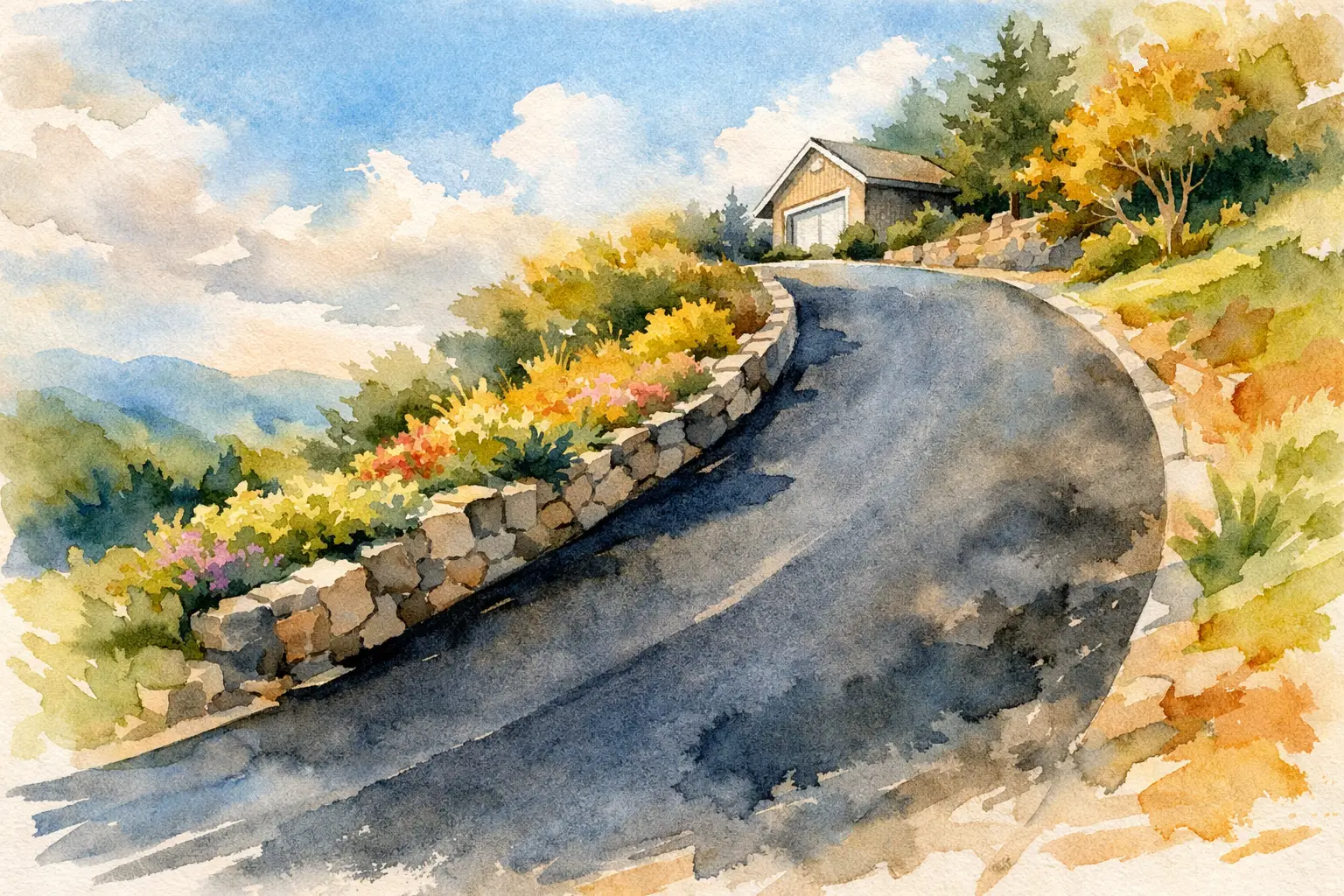
Is Tarmac Good for Steep Driveways?
A steep driveway shows every weakness in a surface. If the material is too loose, too smooth or poorly laid, you notice it quickly – usually when tyres spin in wet weather or water starts running straight down towards the road. So, is tarmac good for steep driveways? In many cases, yes, but only when the base, drainage and finish are handled properly.
Tarmac is a practical choice for sloped driveways because it gives a smooth, hard-wearing finish, copes well with regular vehicle use and can be laid relatively quickly. That said, steep gradients put more strain on any surface than a flat drive, so the result depends far more on installation quality than on the material name alone.
Is tarmac good for steep driveways in practice?
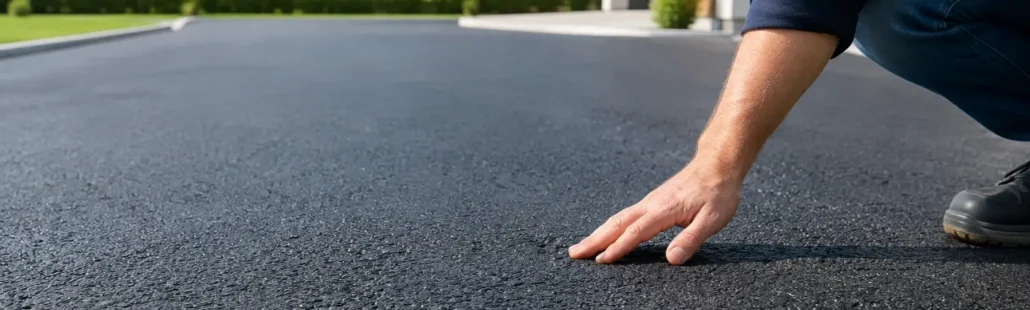
For most domestic and light commercial properties, tarmac is a solid option on a slope. It creates a continuous bound surface, which means you do not get the movement and scatter that often comes with loose gravel. That matters on inclines, where traction, braking and water control all need more thought.
A well-laid tarmac driveway also tends to be easier to use day to day. Cars can climb and descend it without the rattle and displacement you get from unbound materials, and there are no joints for weeds to work into in the same way as some block surfaces. For owners who want something neat, dependable and cost-effective, that is a strong selling point.
But there is a limit to how far a simple yes or no answer can take you. A mild slope is one thing. A sharply rising drive with poor drainage, heavy vehicles or regular frost is another. Tarmac can perform very well, but steep access routes are not the place for shortcuts.
Why tarmac often works well on an incline
The main advantage is stability. Because tarmac forms a compact, bonded surface, it stays where it is put. On a steep driveway, that is a major benefit. Loose aggregate can migrate downhill, and some decorative surfaces may not provide the same practical grip under daily use.
Tarmac is also forgiving in visual terms. On long or rising driveways, a clean black finish looks tidy and uniform without appearing over-designed. Many homeowners and site managers want a surface that simply works, drains properly and holds up under traffic. Tarmac fits that brief well.
Another point in its favour is repairability. If an area becomes damaged over time, localised patching or resurfacing is generally straightforward when compared with lifting and re-laying more intricate systems. For access roads, farm drives, shared private roads and sloped residential entrances, that matters.
Where tarmac can struggle on steep driveways
The biggest issue is not usually the tarmac itself. It is poor groundwork. If the sub-base is weak, if water is allowed to run underneath or if the surface is too thin for the traffic using it, problems appear sooner on a slope than they would on flat ground.
In hot weather, lower-grade or badly compacted material can become softer, especially where vehicles turn their wheels while stationary. On a steep section, that twisting force is more noticeable. Likewise, if surface water is not directed correctly, runoff can erode edges, find weak spots and shorten the life of the drive.
Grip can also become a concern if the finish is too smooth for the site conditions. This is especially relevant on shaded driveways, exposed rural properties and areas that regularly see rain, frost or ice. In parts of Scotland and the North of England, where wet weather and freeze-thaw cycles are a routine part of the year, surfacing choices need to be made with real conditions in mind rather than brochure claims.
The gradient matters more than many people think
Not every steep driveway is the same. A short incline from pavement to garage may present very few issues. A long, winding rise with drainage pressure and repeated vehicle movements is a more demanding job.
As the gradient increases, the demands on traction, compaction and runoff control increase with it. On sharper slopes, the installer may need to pay closer attention to how the surface course is laid, how edges are retained and how water is intercepted before it gathers speed. That is why proper site assessment matters.
If a contractor gives a price for a steep driveway without discussing drainage, sub-base depth or how the drive is used, that should raise questions. A slope is not just a flat driveway tipped upwards. It behaves differently, and it needs to be treated that way.
Drainage is what makes or breaks the job
On steep driveways, water is rarely passive. It moves fast, and if it is not controlled, it can create long-term damage. Even a well-laid tarmac surface will struggle if runoff is constantly forced across it or allowed to pond in weak areas.
Good drainage design may involve cross falls, channel drains, soakaway arrangements or intercepting water before it reaches the public highway. The right solution depends on the site, but the principle is the same. Water must be directed safely and efficiently away from the surface.
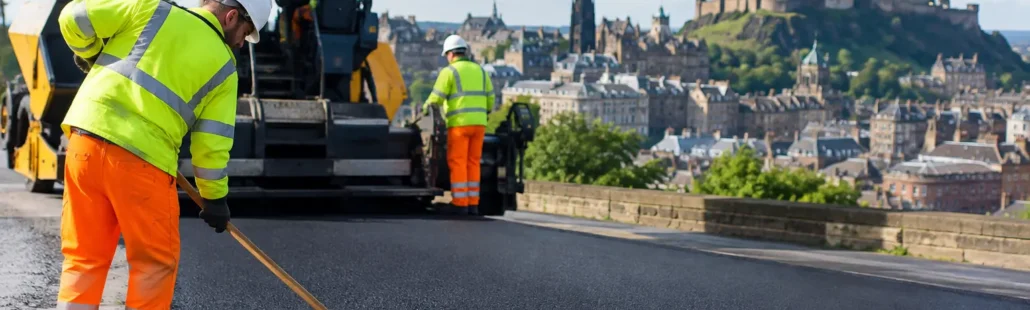
This is one reason tarmac performs best when installed by a contractor with road surfacing experience, not just general landscaping knowledge. Steep driveways behave more like access roads than patio areas. The surfacing has to deal with traffic loads, edge stress and drainage pressure at the same time.
What about grip and safety?
This is often the first concern homeowners raise, and rightly so. A driveway can look smart, but if it feels slippery in wet weather, that appearance counts for very little.
Tarmac can provide good traction when it is laid with the right specification and texture. It is not automatically slippery. In fact, compared with some smoother decorative finishes, it can be the safer practical option on a slope. The key is matching the surface finish to the gradient and expected use.
If the driveway is used by cars only, the approach may differ from a steep access route used by vans, delivery vehicles or multiple vehicles each day. Pedestrian safety also matters, particularly if people walk up and down the drive in poor weather. On some sites, additional design features may be needed to improve confidence and footing.
How tarmac compares with other driveway surfaces
Against gravel, tarmac is usually the stronger option for steep driveways. Gravel tends to travel downhill, create uneven patches and make traction harder, especially after rain. It may suit level rural settings, but on a slope it can become high-maintenance very quickly.
Against block paving, the answer is less absolute. Block paving can work on gradients when installed correctly, but it has joints, can be more labour-intensive and may move over time if the base is not right. Tarmac gives a simpler, more uniform finish and is often the more economical choice for larger sloped areas.
Against concrete, tarmac is often faster to install and easier to repair. Concrete can be durable, but it may be more prone to cracking if ground movement occurs, and the finished look is not always what homeowners want. Tarmac tends to strike a good balance between cost, practicality and appearance.
Installation quality is the real deciding factor
If you are asking whether tarmac is good for steep driveways, the better question is whether it will be installed to suit the slope. The answer depends on excavation depth, sub-base preparation, compaction, edge support, drainage and the quality of the surfacing material itself.
A proper build should not be treated as a cosmetic layer over an existing problem. If the old surface has failed because of movement or water, simply covering it up will not fix the cause. On steep sites, that kind of shortcut usually shows up fast.
The strongest results come from a contractor who understands how to build the driveway as a working surface, not just how to make it look finished on day one. That means considering the approach angle, vehicle type, drainage route and long-term wear before the tarmac is even laid.
When tarmac is the right choice
Tarmac is a good choice for a steep driveway when you need a bound, durable and relatively low-maintenance surface that handles regular traffic well. It suits residential drives, shared access roads and many commercial entrances where practicality matters more than decorative detail.
It is particularly effective where the installer can control the full job properly, from base construction through to drainage and final finish. In those conditions, it offers good value and reliable performance.
Where the slope is extreme, the surface is constantly shaded or the site has existing drainage problems, more detailed planning is needed. That does not rule tarmac out, but it does mean the specification cannot be generic.
A steep driveway asks more from a surface than most people realise. Tarmac can meet that demand very well, provided the job is built around the gradient rather than despite it. If you want a driveway that feels safe, lasts well and does not become a maintenance headache, the sensible next step is not guessing the material – it is getting the site assessed properly.