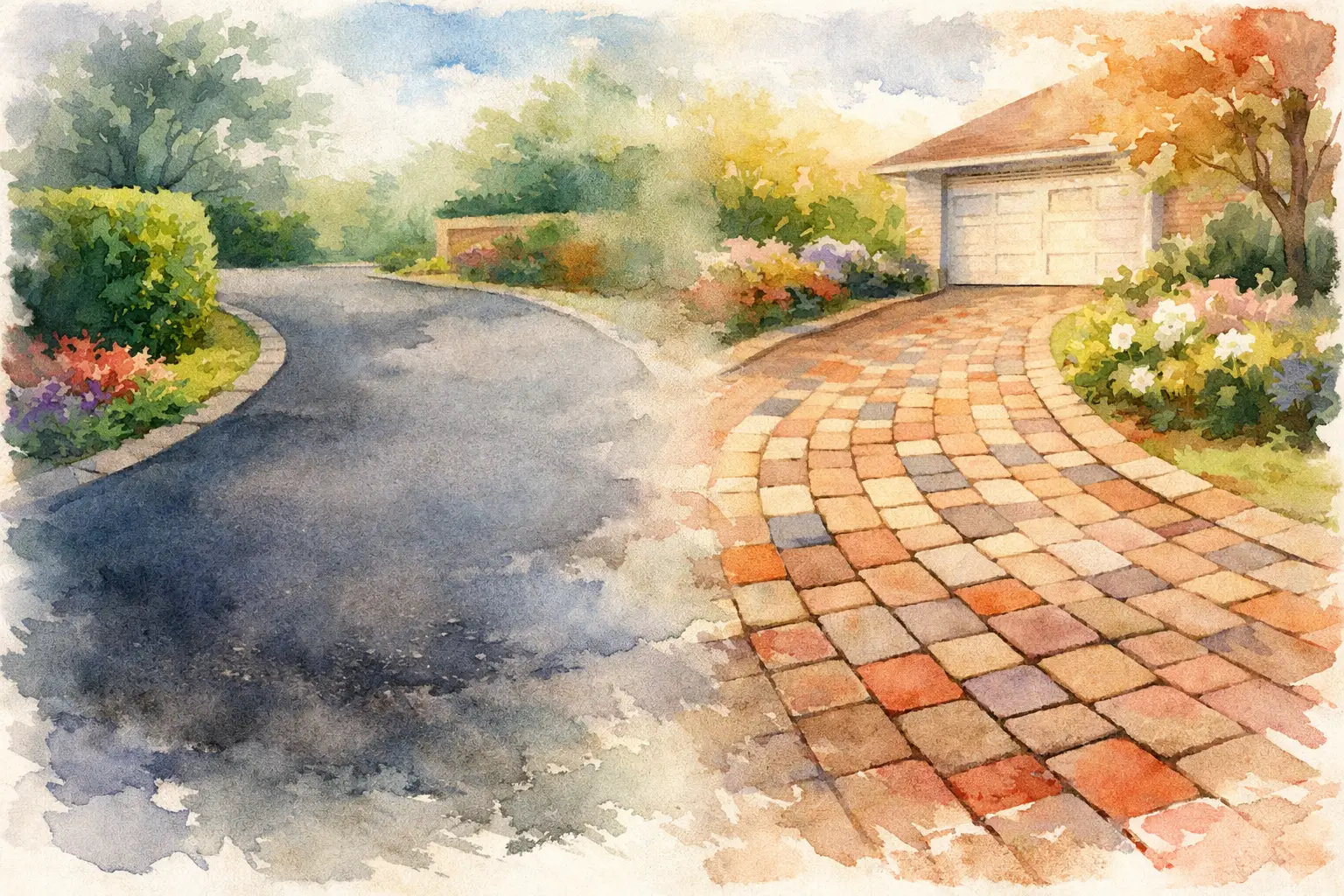
Tarmac or Block Paving for Your Driveway?
A new driveway looks simple on paper until you have to choose the surface. For most property owners, it comes down to tarmac or block paving. Both can work well, but they suit different budgets, traffic levels, properties and long-term expectations.
The right choice is not just about appearance. It affects installation time, maintenance, drainage, repair costs and how the entrance to your property performs year after year. If you are comparing surfaces for a home, rental property, commercial entrance or shared access, it helps to look beyond first impressions.
Tarmac or block paving – what is the main difference?
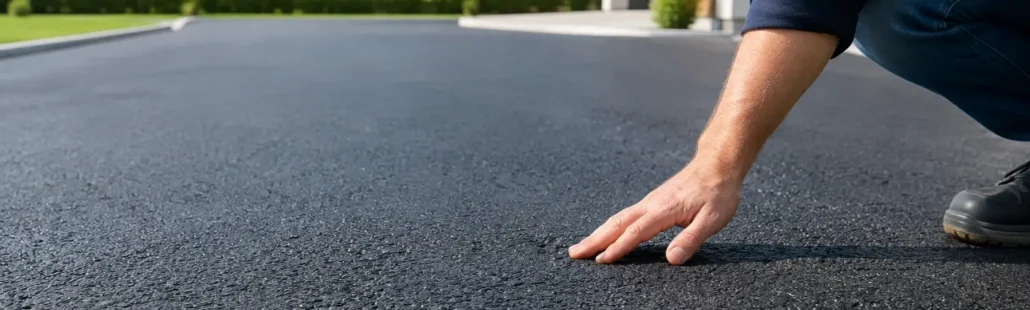
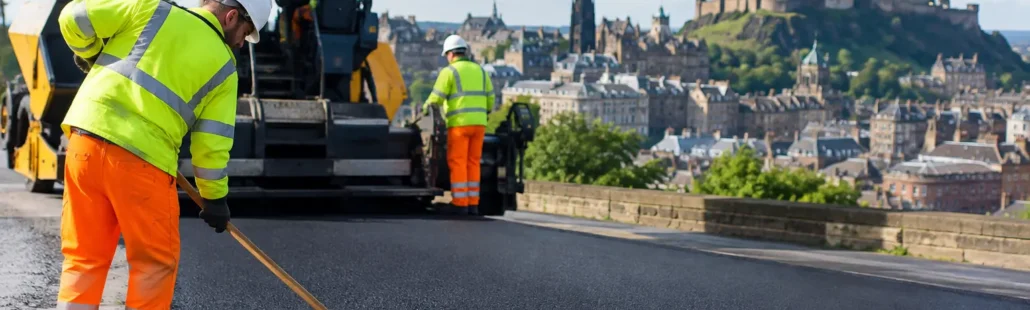
Tarmac gives you a smooth, continuous surface with a clean and practical finish. It is widely used for roads, car parks, forecourts and driveways because it is quick to install, cost-effective over larger areas and well suited to regular vehicle use.
Block paving is made up of individual bricks or blocks laid in a pattern over a prepared base. It offers more choice in colour, style and layout, which makes it popular for homeowners who want a more decorative finish or a driveway that complements the property.
That basic difference shapes almost every other consideration. Tarmac is usually chosen for function first. Block paving is often chosen for appearance first, although it can still be a durable and hard-wearing option when installed properly.
Cost matters, but so does the area size
For many customers, price is the starting point. In most cases, tarmac is the more affordable option, especially on larger driveways, access roads and commercial areas. Materials and labour are usually more straightforward, and installation tends to be faster.
Block paving often costs more because it is more labour-intensive. Every block has to be laid, aligned and compacted correctly. On smaller domestic driveways, that price difference may feel manageable if kerb appeal is a priority. On larger areas, the gap can become more significant.
That said, the cheapest quote is not always the best value. Poor groundwork will shorten the life of either surface. A properly prepared base, correct edging and suitable drainage matter far more than shaving a small amount off the upfront cost.
Appearance and kerb appeal
If appearance is your main concern, block paving usually offers more flexibility. You can choose different colours, patterns and edging details to match the age and style of the property. For period homes or high-spec domestic projects, that custom look can make a real difference.
Tarmac is more understated. It gives a neat, uniform finish that suits modern homes, rural properties, shared drives and commercial premises. It may not offer the same decorative options, but many customers prefer its clean, practical appearance and the fact that it does not try too hard.
There is also a question of setting. A large country driveway, private road or business entrance often looks more appropriate in tarmac. A front garden conversion outside a detached or semi-detached home may lend itself better to block paving if visual detail matters.
Durability under daily use
Both surfaces can last well when the base is built correctly and the installation is carried out to a good standard. The difference is often in how they respond to wear and traffic.
Tarmac is strong, flexible and particularly effective for areas with regular vehicle movement. It copes well with daily use and is a dependable choice for driveways that see multiple cars, delivery vans or heavier traffic. That is one reason it is so widely used in public-facing surfacing work.
Block paving is also durable, but its long-term performance depends heavily on installation quality and ongoing maintenance. Individual blocks can shift over time if the base is weak or if the area carries more traffic than it was designed for. Weed growth in joints and local movement can also become an issue if the surface is neglected.
In colder parts of Scotland and the North of England, weather matters too. Freeze-thaw conditions, standing water and repeated use can expose weak spots quickly. A properly installed surface with sound drainage will always perform better than one chosen on looks alone.
Drainage and planning considerations
Drainage should be part of the decision from the start, not an afterthought. If water is not managed correctly, both tarmac and block paving can develop problems. Pooling, edge breakdown, staining and movement are all more likely where runoff has nowhere to go.
Standard tarmac is impermeable, so water needs to be directed to suitable drainage points. That may mean falls, channels or soakaway solutions, depending on the site.
Block paving can offer more flexibility here, particularly if a permeable system is used. Not every block paved driveway is permeable by default, but the option is there if drainage or planning requirements need to be addressed more carefully.
This is one of those areas where site conditions decide a lot. A flat driveway, clay-heavy ground or a property with limited drainage options may narrow the choice quite quickly.
Maintenance and repairs
Tarmac is generally low maintenance. It benefits from occasional cleaning and, over time, may need patching or resurfacing if wear appears. Small cracks or edge deterioration should be dealt with early before water gets in and causes bigger issues.
Block paving needs a bit more attention. It may require re-sanding of joints, weed control and occasional lifting and relaying if sections move or sink. The upside is that local repairs can be simpler in visual terms because individual blocks can be replaced without resurfacing the whole area.
That does not automatically make block paving cheaper to maintain. Over the years, the extra upkeep can add up. Customers who want the most straightforward surface to live with often lean towards tarmac for that reason.
Speed of installation and disruption
If access is important and downtime needs to be kept to a minimum, tarmac often has the edge. Once the groundwork is complete, installation is usually quicker than block paving, especially on larger areas.
That can be important for commercial sites, shared entrances, schools, business premises and homes where vehicle access cannot be lost for long. Faster completion often means less disruption and lower labour costs.
Block paving takes longer because it is more detailed by nature. That extra time may be worthwhile if appearance is a key selling point, but it is still something to factor into the decision. A surface that looks good but keeps a site out of action for longer is not always the right business choice.
When tarmac is the better option
Tarmac or block paving for larger driveways
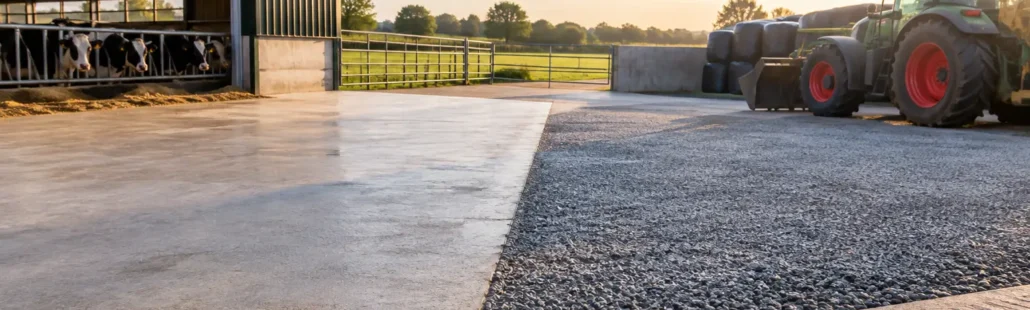
Tarmac is often the stronger all-round choice for larger domestic driveways, private roads, farm access routes and commercial spaces. It is practical, durable and usually more cost-effective as the surface area increases.
It also suits customers who want a professional finish without ongoing fuss. If the priority is a hard-wearing surface that performs reliably in all weathers, tarmac is difficult to beat.
For landlords, developers and site managers, it often makes the most financial sense too. It gives a neat result, handles regular traffic well and keeps the project moving.
When block paving is the better option
Tarmac or block paving for appearance-led projects
Block paving usually makes more sense where visual impact matters most. If the driveway sits directly in front of the property and plays a big part in first impressions, the extra design options can justify the higher cost.
It can also work well on smaller driveways where the total area is modest enough to keep the budget under control. In those cases, customers may be happy to trade lower speed and more upkeep for a more tailored finish.
The key is making sure the construction matches the expected use. A decorative driveway still needs proper excavation, sub-base preparation and edge restraint if it is going to last.
The best choice depends on how the surface will be used
There is no universal winner between tarmac or block paving. A family home with two cars and a focus on appearance may benefit from block paving. A long driveway, shared access road or business premises will often benefit more from tarmac.
The wrong decision usually happens when customers choose on looks alone or focus only on upfront price. A driveway is a working surface. It has to cope with vehicle weight, weather, drainage and daily use. If those basics are ignored, even the most attractive finish will not hold up for long.
At EB Road Surfacing, this is why surface choice always starts with the site itself – not a one-size-fits-all answer. The most reliable result comes from matching the material to the job, the budget and the way the area will actually be used.
If you are weighing up both options, think about the next ten years rather than the next ten days. A surface that fits the property, handles the traffic and stays dependable with sensible maintenance is usually the right investment.