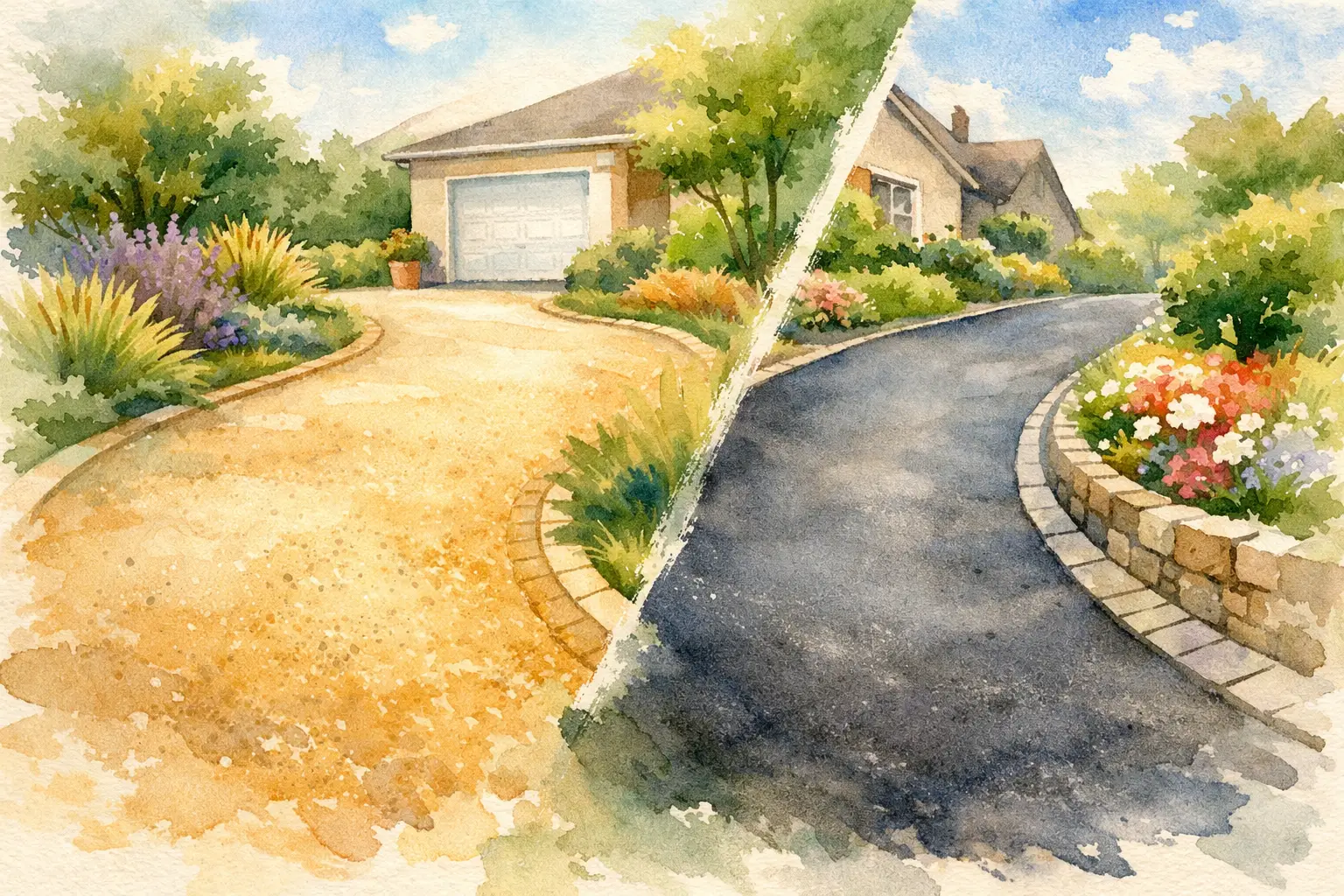
Resin or Tarmac Driveway: Which Suits You?
If you are weighing up a resin or tarmac driveway, the right answer usually comes down to how you use the space, what finish you want, and how much maintenance you are prepared to take on over time. Both surfaces can work well on domestic and commercial properties, but they do not perform in exactly the same way once real traffic, British weather and day to day wear are involved.
This is where many property owners get stuck. Resin often wins on appearance. Tarmac usually wins on practicality and value. Neither is automatically better. The better choice is the one that suits the site, the budget and the level of use the driveway will see.
Resin or tarmac driveway – the main difference
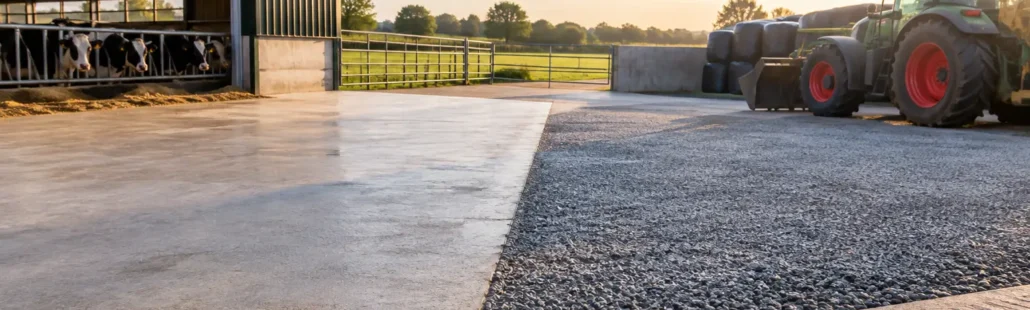
A resin driveway is usually installed as a resin bound surface, where decorative stone is mixed with resin and laid to create a smooth, attractive finish. It is designed to look smart and, when installed correctly on a suitable base, can provide a porous surface that allows water to drain through.
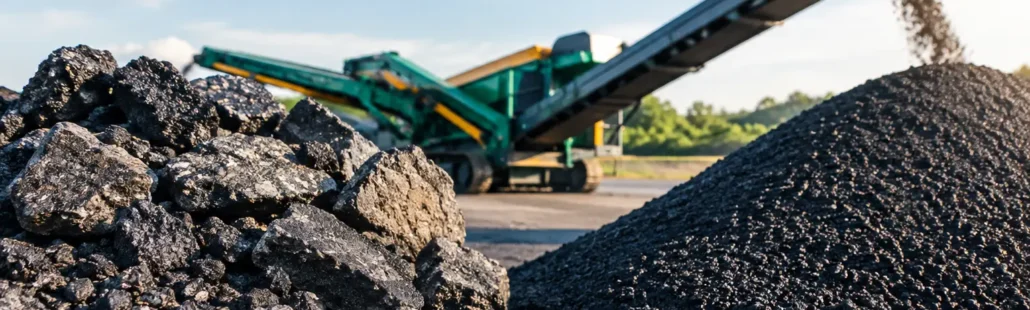
A tarmac driveway uses a bitumen-based surfacing material laid and compacted to form a durable, hard-wearing finish. It has been used for years on roads, car parks and private driveways because it is dependable, cost-effective and well suited to regular vehicle traffic.
In simple terms, resin is often chosen for kerb appeal, while tarmac is chosen for strength, speed of installation and long-term value. That does not mean tarmac looks poor or resin is delicate. It just means each one has clear strengths.
Appearance and first impressions
If the priority is a decorative finish, resin usually has the edge. It is available in a wide range of aggregate colours and blends, so it can be matched more closely to the style of the property. For newer homes, front gardens with edging, or driveways where appearance matters as much as function, resin can create a cleaner and more premium look.
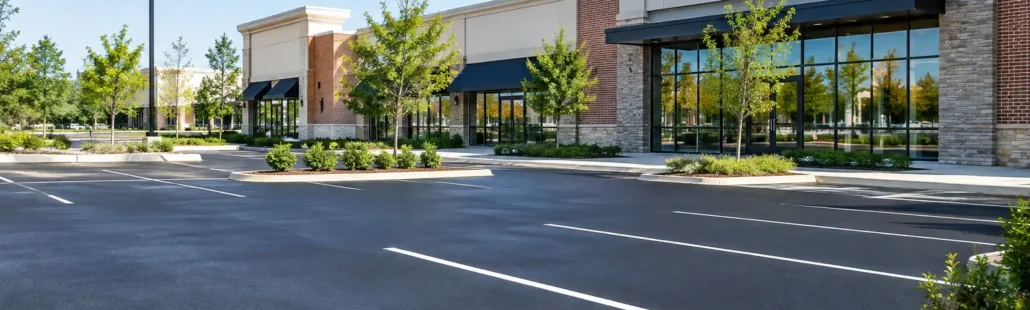
Tarmac is more straightforward. It gives a neat, professional finish, usually in black, with a clean edge that suits most properties. It may not offer the same choice of colour and texture, but it does look tidy and well finished when laid properly. On larger driveways, rural access roads, shared entrances and properties where function matters most, that simpler look can be exactly the right fit.
For some customers, this is the deciding factor. If the driveway is a visible part of the property frontage and presentation matters, resin may justify the extra spend. If you want a surface that looks smart without chasing a decorative effect, tarmac remains a strong option.
Cost and value over time
For most projects, tarmac is the more cost-effective option upfront. It is generally quicker to lay, the material cost is usually lower, and it performs well for the price. That is one reason it remains a popular choice for both domestic driveways and larger commercial surfacing works.
Resin tends to cost more. The materials are more expensive, the finish is more specialised, and the condition of the base matters a great deal. If extra preparation is needed before installation, the price can rise further.
That said, cost should not be judged only on the initial quote. A driveway that suits the property and handles traffic properly is usually better value than a cheaper surface that needs early repair. A fair comparison looks at lifespan, maintenance, drainage performance and the standard of installation, not just the starting figure.
Durability under traffic and weather
A driveway needs to cope with more than parked cars. It needs to stand up to repeated turning, braking, oil drips, cold weather, rainfall and general wear. This is where tarmac has a clear reputation for reliability. It is widely used in heavy-duty environments for a reason. On homes with multiple vehicles, delivery access or regular use, tarmac is often the practical choice.
Resin can also be durable, but it is more dependent on the quality of the base and the quality of the installation. If either is poor, problems can show sooner. Cracking from movement beneath the surface, localised wear in high-stress areas and discolouration can all become issues if corners are cut.
In colder parts of Scotland and the North of England, freeze-thaw conditions and heavy rainfall make base preparation especially important. A surface is only as good as what sits underneath it. Whether you choose resin or tarmac, proper excavation, edging, sub-base work and drainage planning matter just as much as the finish on top.
Drainage and SuDS considerations
Drainage is one of the strongest arguments in favour of resin, provided the system is designed correctly. A resin bound surface can be permeable, allowing water to pass through into the base below. That can help with surface water management and may reduce standing water on the driveway.
Tarmac is generally less porous, although porous asphalt options do exist for some applications. Standard tarmac driveways usually rely on falls, channels and suitable drainage points to move water away effectively.
This does not make tarmac a poor choice. It simply means drainage needs to be built into the design from the start. On many sites, that is not a problem at all. On others, especially where runoff is already an issue, resin may offer a useful advantage.
Maintenance and repairs
No driveway is completely maintenance free. The question is what kind of upkeep is likely and how easy it is to put right.
Resin generally needs regular cleaning to keep its appearance. Moss, weeds, dirt build-up and staining can affect the finish if it is left unattended. It is not difficult to maintain, but it does benefit from periodic care if you want it to keep looking sharp.
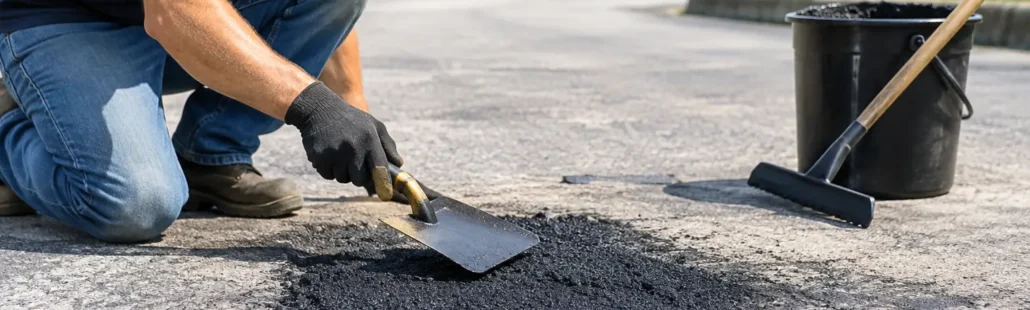
Tarmac is more forgiving in everyday use. It can still weather and fade over time, and like any surface it may eventually need patching or resurfacing, but it is usually easier to repair in practical terms. For customers who want a surface that performs well without much fuss, that matters.
Repairs are worth thinking about before installation, not after. A decorative resin finish can be harder to blend perfectly if a local repair is needed. Tarmac repairs are often more straightforward and more economical, especially on working sites or heavily used driveways.
Which suits domestic properties best?
For a single home, the choice often comes down to budget and appearance. If you want a driveway that lifts the frontage of the property and creates a more bespoke finish, resin can be a very good option. It suits homeowners who care about presentation and are happy to invest more for the look.
If you want a dependable surface that handles family use, multiple cars and regular traffic without pushing the budget too far, tarmac is often the better fit. It is particularly useful for longer driveways, sloped access points and properties where durability matters more than decorative detail.
There is also the question of scale. On a small front drive, the extra cost of resin may feel manageable. On a larger area, the price difference between resin and tarmac can become much more significant.
Resin or tarmac driveway for commercial or shared access
On commercial sites, shared access roads, farm entrances, car parks and mixed-use properties, tarmac is usually the more practical choice. It is designed for workload, not just appearance. It can be installed efficiently, used sooner in many cases, and maintained more easily over the life of the surface.
Resin still has a place in commercial settings, particularly where the appearance of the entrance matters or where a decorative pedestrian-friendly finish is needed. But for straightforward vehicle access and heavy day to day use, tarmac is often the surface that makes more operational sense.
This is why experienced surfacing contractors tend to ask about traffic levels, turning points, drainage and base condition before they talk about colour or finish. The right answer starts with how the area performs, not just how it looks on day one.
What to ask before making a decision
Before choosing either surface, ask how sound the existing base is, whether drainage needs upgrading, how much traffic the driveway will carry, and what level of maintenance you realistically want. Also ask how repairs would be handled in future and whether the proposed surface suits the site rather than simply matching a preference.
A good contractor should be direct about trade-offs. If a resin finish is likely to struggle on a heavily used access point, you should be told. If tarmac is the better value option for a large driveway, that should be clear as well. Straight advice at quote stage usually saves money later.
For many customers, the best result comes from being honest about priorities. If appearance comes first and the site suits it, resin can be an excellent investment. If you want durability, lower upfront cost and a surface proven across everything from private driveways to larger access routes, tarmac is hard to beat.
The right driveway is not the one with the most sales appeal. It is the one that performs properly in five years’ time, still drains as it should, still looks presentable, and has not created problems you did not need.