Road Planing Versus Overlay for Lasting Repairs
A tired road surface does not always need the same repair. The choice between road planing versus overlay affects finished levels, drainage, programme time, long-term durability and the overall cost of the job. For a driveway, private road, car park or commercial access route, the right method depends on what is happening beneath the visible surface – not simply how worn it looks.
An overlay can be a fast, cost-effective way to renew sound tarmac. Planing and resurfacing is often the better option where levels are already tight, defects are widespread, or the existing surface has lost its shape. A proper site assessment prevents a short-term cosmetic fix from becoming another repair bill a few seasons later.
Road planing versus overlay: the key difference
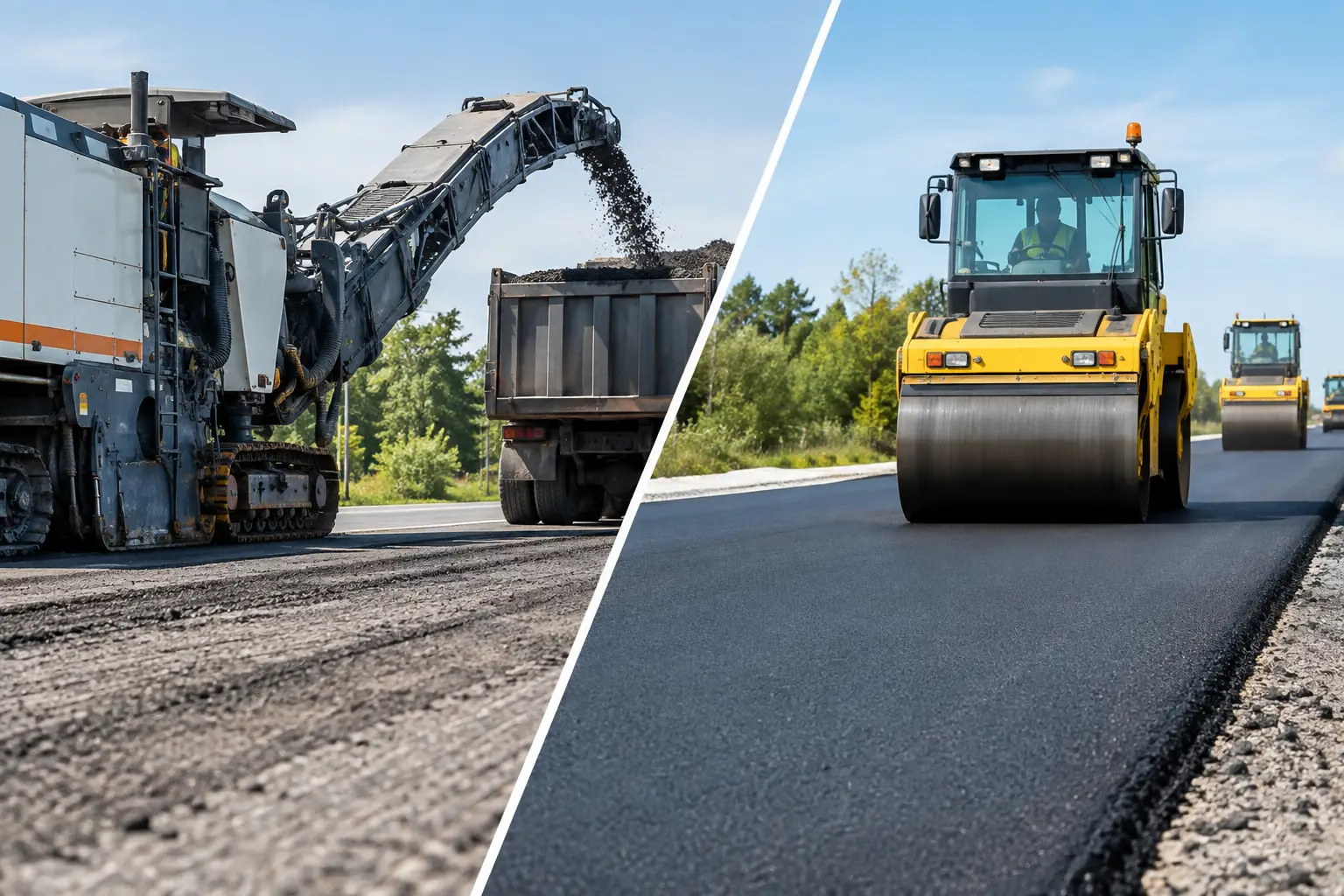
Road planing removes a controlled depth of existing asphalt using a specialist milling machine. The machine cuts away the worn or damaged layer, leaving a prepared surface for new tarmacadam. Depending on the condition of the site, contractors may plane only the surface course or remove deeper layers before rebuilding them.
An overlay, sometimes called resurfacing over existing asphalt, places a new layer of tarmac directly on top of the current surface. The existing area is cleaned, repaired locally where necessary, treated with a bonding coat and then surfaced with fresh material.
The practical difference is simple. Planing maintains or restores the original surface level. An overlay raises it. That matters more than many property owners expect.
When an asphalt overlay is the sensible choice
Overlaying works well when the existing base is stable and the defects are mainly at surface level. Light cracking, weathering, loss of texture and minor unevenness can often be addressed without removing the whole top layer.
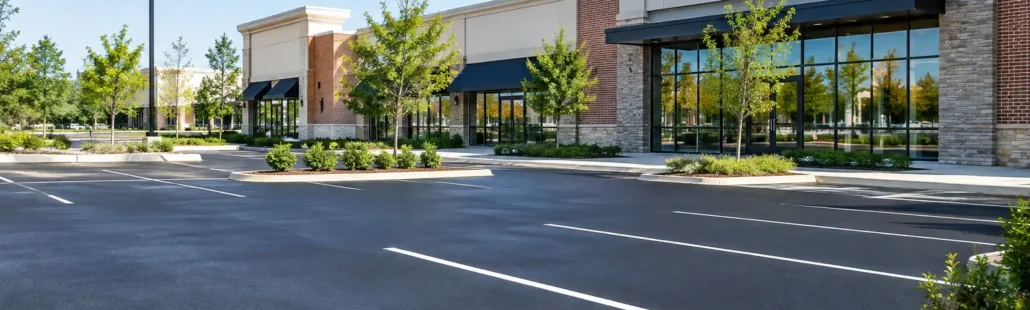
It is particularly useful for car parks, estate roads and driveways where there is enough height available at kerbs, gates, drainage channels and thresholds. A new wearing course improves the appearance of the area, restores grip and helps protect the older asphalt below from water ingress.
Because there is less excavation and less material to remove from site, an overlay is commonly quicker and can be more economical than planing. It can also reduce disruption on busy commercial premises, provided access and traffic management are planned properly.
However, an overlay is only as good as the surface beneath it. If cracks are caused by movement in the sub-base, weak edges, failed drainage or repeated heavy vehicle loading, they may reflect through the new tarmac. Adding a fresh layer over a structural problem hides it temporarily rather than solving it.
Height and drainage must be checked first
Before overlaying, the contractor should check whether the higher finished surface will affect drainage falls, manhole covers, gullies, kerb upstands, doorways and vehicle access. Even a relatively thin layer can cause standing water or leave covers below the finished level if these details are ignored.
On a residential driveway, raising the surface near a damp-proof course or garage threshold can create avoidable problems. On a commercial yard, altered levels around loading areas and drainage channels may affect safety and day-to-day use. These are reasons to choose a contractor that assesses the full site rather than quoting from photographs alone.
When road planing is the better repair
Planing is normally recommended when an existing surface is badly rutted, uneven, polished, cracked across large areas or sitting too high against kerbs and drainage features. It is also the preferred approach where a site needs to retain its existing levels.
For example, a busy access road may have worn down in wheel tracks while the surrounding surface remains high. Simply overlaying it can leave the road higher at the edges, reduce kerb height and interfere with drainage. Planing creates room for the new asphalt layer and allows the finished surface to be laid to the right profile.
It is also useful for repairs around ironwork. Manhole covers, gullies and valve covers can be reset accurately when the surrounding asphalt is removed and rebuilt. This improves ride quality and reduces the risk of loose or sunken covers developing later.
Where damage extends below the top layer, planing may form part of a wider reconstruction. Failed sections can be excavated further, the foundation strengthened and fresh binder and surface courses installed. This costs more than a straightforward overlay, but it addresses the cause of failure where the sub-base has deteriorated.
Better preparation, better service life
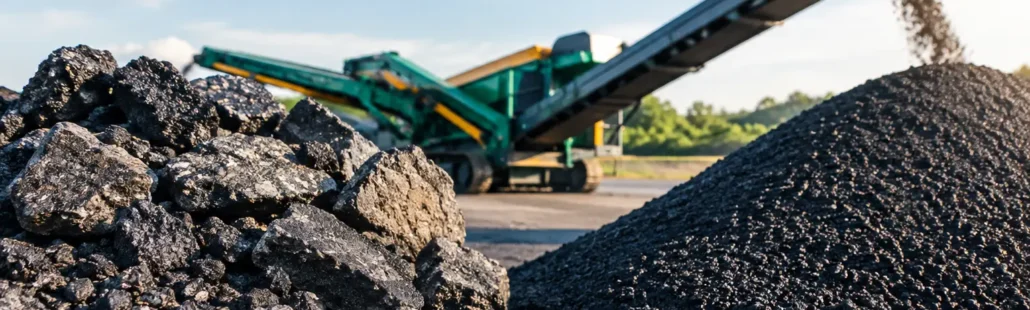
The main benefit of planing is control. It gives the resurfacing team a clean, correctly profiled base and avoids unnecessary increases in surface height. The milled material can also be removed and recycled, which is preferable to sending useful asphalt material to landfill.
Planing is not automatically necessary for every site. If the underlying construction is sound and there are no level restrictions, removing material can add cost and programme time without delivering a proportionate benefit. The condition survey should guide the decision.
Comparing cost, disruption and durability
There is no fixed answer to which option is cheaper because the scope of work varies. In general, an overlay has lower upfront costs where it can be applied to a sound surface with limited preparation. There is less excavation, fewer wagon movements and a reduced requirement for disposal.
Road planing adds plant, labour and removal costs. It may also require careful phasing on live sites, especially where customer access, deliveries or public traffic must continue. Yet it can represent better value over the life of the surface when it prevents drainage problems, corrects uneven levels or removes failed material before resurfacing.
Durability comes down to three factors: the strength of the foundation, the quality of preparation and the thickness and type of asphalt specified for the traffic using the area. A domestic driveway does not need the same construction as a delivery route carrying regular lorry movements. Likewise, a quiet car park may need a different solution from an access road exposed to turning traffic and heavy braking.
The cheapest quotation can become expensive if it does not include essential preparation, edge repairs, drainage adjustments or reinstatement around covers. A clear quotation should explain what will be removed, what will be laid, how thick it will be and which defects are being repaired before surfacing begins.
What a professional assessment should cover
A reliable contractor will inspect more than the visible cracks. They should consider the age and construction of the existing surface, areas of standing water, traffic loading, soft verges, failed edges and whether defects are isolated or spread across the site.
They will also look at levels. This includes kerbs, entrances, drainage points, garage thresholds, footways and adjoining surfaces. On larger commercial jobs, the work may need to be completed in sections so vehicles and pedestrians can move safely while surfacing takes place.
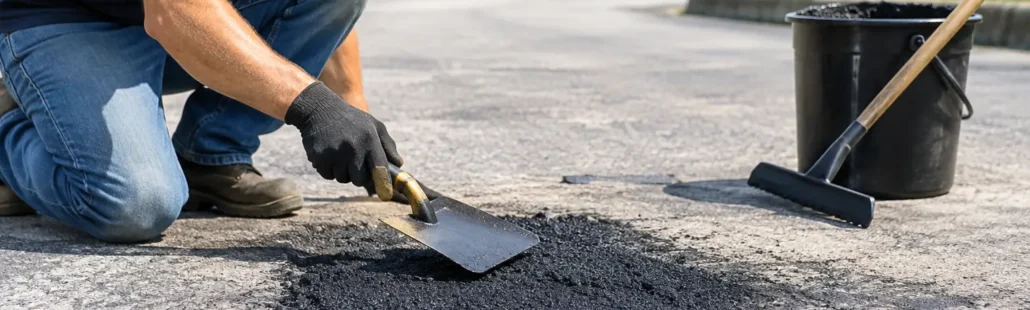
For road planing, the specified depth must be sufficient to remove the defective material without damaging sound layers below. For an overlay, any potholes, open cracks, depressions and weak patches should be repaired first. A tack coat is then applied to help the new asphalt bond properly to the prepared surface.
Good compaction is equally important. Fresh tarmac must be laid at the correct temperature and compacted with suitable rollers to produce a dense, even finish. Poor joints and inadequate compaction allow water in and shorten the working life of the repair.
Choosing the right method for your site
Choose an overlay where the existing asphalt is fundamentally stable, defects are shallow and there is sufficient room to raise levels without affecting drainage or access. It is often an efficient way to refresh an ageing surface and improve its appearance.
Choose planing and resurfacing where levels are restricted, the surface is misshapen, drainage needs correcting or damage is more than skin deep. It is usually the more thorough route for heavily used roads, car parks and access areas with established structural issues.
If you are unsure, avoid deciding purely on whether an overlay appears cheaper. The useful question is whether the current surface can support a new layer for years to come. A site visit and a clear, practical recommendation will show whether fresh tarmac should be added, or whether the failed layer needs to come out first.