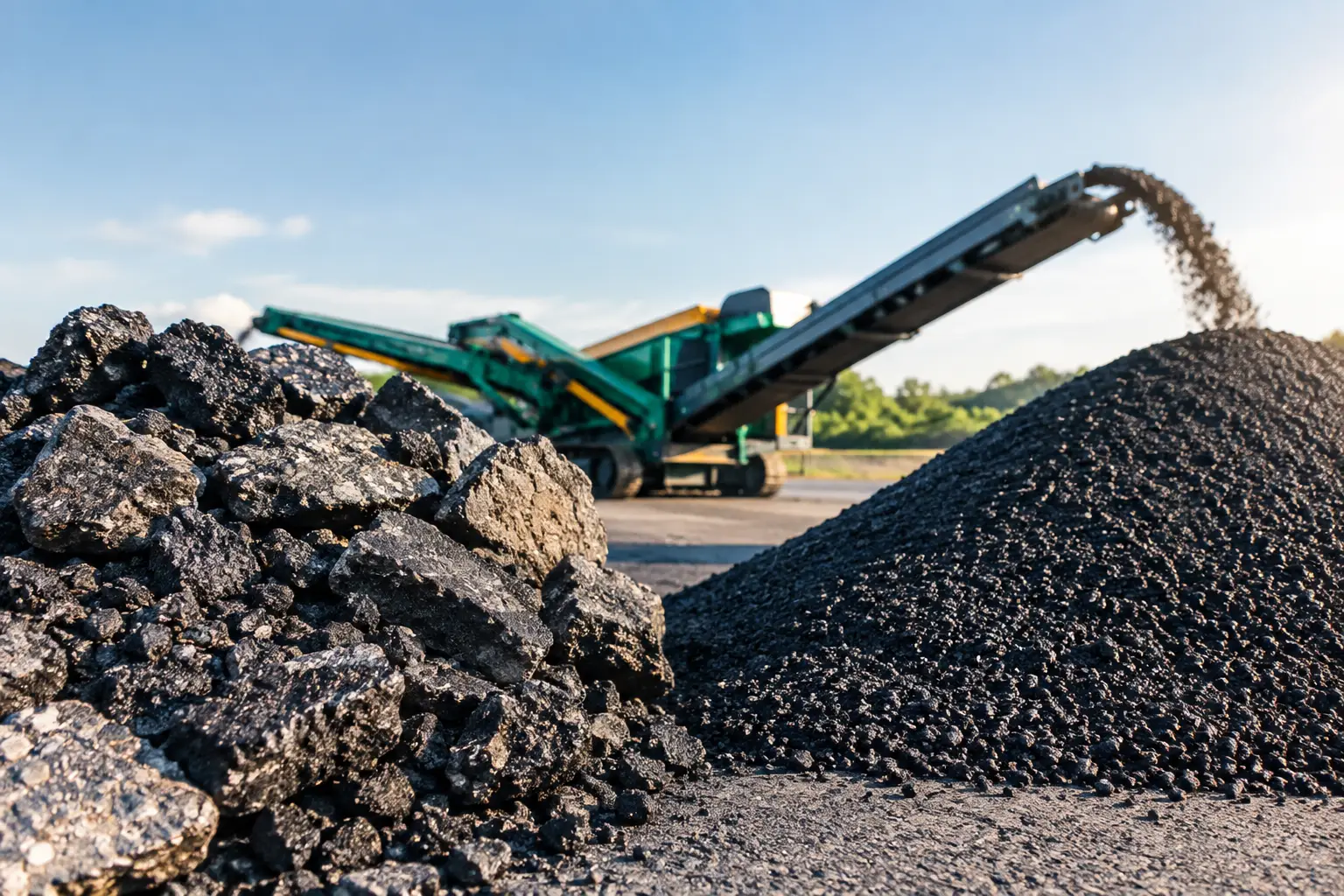
Asphalt Recycling Comparison for Better Roads
A worn access road does not always need to be dug out and replaced from the ground up. The right asphalt recycling comparison can show whether the existing material is an asset worth retaining or a surface that has reached the end of its useful life. For property owners, site managers and developers, the decision affects programme time, lorry movements, cost and, most importantly, how long the finished surface will last.
Recycling asphalt is not one single process. It can mean using reclaimed material in a new asphalt mix, reprocessing the road on site, or reusing sound planings in lower layers. Each route has a place. The best choice depends on the condition of the existing surface, the strength of the foundation beneath it, drainage and the traffic the area must carry.
Asphalt Recycling Comparison: The Main Options
The most common comparison is between conventional removal and replacement, recycled-content asphalt, and in-place recycling. All can produce an effective surface when properly specified and laid. They are not interchangeable shortcuts.
Conventional removal and new asphalt
This is the clearest option where the surface and the layers below it have failed. Damaged asphalt is excavated, unsuitable material is removed, the sub-base is repaired or rebuilt as required, and fresh binder and wearing courses are installed.
It normally involves more excavation, disposal and imported aggregate, so it can be the higher-cost route. However, it gives the contractor full access to resolve poor drainage, soft spots, failed edges and inadequate construction depth. For heavily trafficked car parks, access roads with repeated HGV use, or areas showing widespread movement, a full reconstruction is often the more dependable investment.
New asphalt containing reclaimed material
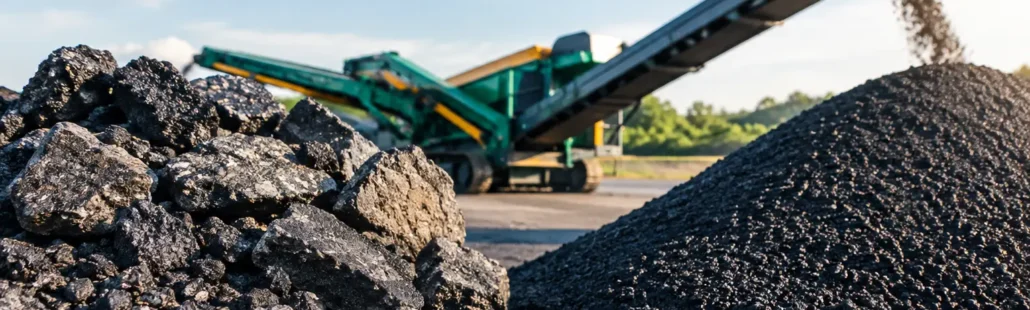
Reclaimed asphalt pavement, often called RAP, is produced by planing or crushing old asphalt. After it has been processed and assessed, it can be introduced into new asphalt mixtures at controlled proportions. The material is not simply tipped back onto a driveway or road. Its grading, binder condition and final mix design need to suit the intended layer.
For many resurfacing projects, this approach offers a sensible balance. The finished surface is laid much like a conventional asphalt surface, while reducing demand for virgin aggregate and bitumen. It can also reduce the volume of material sent away from site.
The practical benefit is consistency. A properly designed recycled-content mix can provide a neat, durable finish suitable for roads, car parks and larger private areas. The limit is that higher recycled proportions are not appropriate for every specification, particularly where demanding loading, safety requirements or a particular authority standard applies.
Cold in-place recycling
Cold in-place recycling works through the existing asphalt layers on site. A specialist recycler mills the failed material, adds a binding agent where required, then relays and compacts it to form a renewed base layer. A new asphalt surface course is normally laid over it once the recycled layer has achieved the required condition.
This method is particularly useful on longer road lengths where the failure is mainly within the asphalt construction rather than deep in the foundation. Because material is reused where it sits, it can significantly reduce the number of lorry movements and the amount of imported aggregate. On rural roads, industrial estates and lengthy access routes, that can make a real difference to disruption and programme planning.
It does require enough working room for specialist plant and a suitable length of road to justify mobilisation. It is also not the answer to drainage problems or deeply unstable ground. If water is entering the structure or the subgrade is weak, those issues must be dealt with first.
Hot in-place recycling
Hot in-place recycling heats and reworks the existing asphalt surface, usually treating a shallow depth. It can be an efficient treatment where the road is fundamentally sound but has surface-level cracking, ageing or minor deformation. The softened material is reprofiled and compacted, sometimes with new material added to improve the mix.
This method is less suitable where defects extend through the construction. A road with deep potholes, pumping, widespread alligator cracking or failed foundations needs more than a refreshed top layer. Treating only the visible surface in that situation can delay failure rather than prevent it.
What Decides the Right Recycling Method?
The visible condition of a surface tells only part of the story. A proper survey should establish whether cracks are confined to the wearing course or whether they reflect movement below. Repeated potholes in the same locations, rutting under wheel paths and depressions that hold water are all signs that the problem may be structural.
Drainage is a major deciding factor. Water weakens the foundation, creates freeze-thaw damage and shortens the life of any new surface. Recycling sound asphalt while leaving blocked channels, poor falls or failed kerbs unresolved is false economy. The finished road must shed water effectively, and any drainage repairs should be built into the programme.
Traffic loading matters just as much. A residential driveway carrying cars has different requirements from a delivery yard receiving loaded vehicles each day. The stronger the traffic demand, the more important it is to confirm layer thicknesses, edge restraint and sub-base condition. Recycled materials can be used successfully in demanding applications, but only as part of the right construction design.
Cost, Carbon and Disruption Compared
The cheapest quotation is not always the lowest-cost solution over the life of the surface. Reusing existing asphalt can reduce haulage, waste handling and aggregate purchases, especially on substantial schemes. In-place processes may also shorten programme time by keeping material on site.
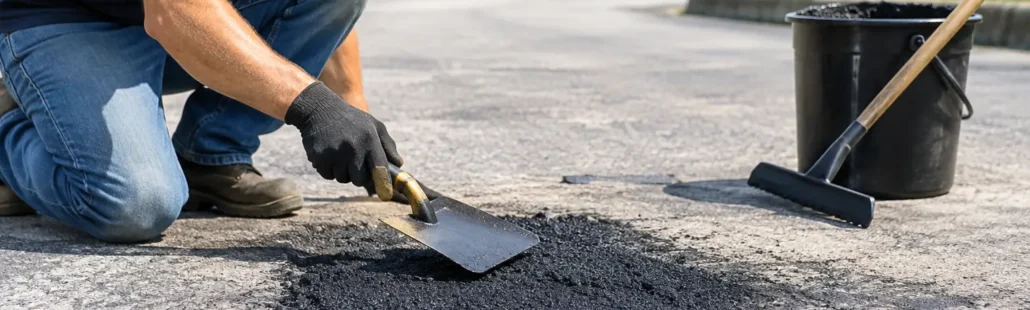
That said, recycling involves survey work, controlled processing and, in some cases, specialist machinery. On a small isolated repair, conventional excavation and reinstatement can be more practical and better value. There is no benefit in bringing in a large recycling operation for a few square metres of failed surfacing.
From an environmental point of view, using reclaimed asphalt usually reduces demand for new raw materials and can cut transport movements. The result depends on the method, site location and the volume of material reused. A local, well-planned conventional resurfacing job may still be preferable to a poorly planned recycling process that leaves underlying defects untouched.
Disruption is often the deciding point for live sites. Recycling in place can reduce wagon movements and storage requirements, while full excavation can be easier to phase around small areas, entrances or occupied premises. Access plans, curing times and the need to keep emergency routes open should be agreed before work starts.
When Recycling Is Not the Best Answer
Asphalt recycling should not be chosen purely because it sounds greener or cheaper. It is the wrong route where the ground is unstable, the drainage system has failed, contamination is present, or the existing road lacks the depth needed for its current use. These conditions call for targeted excavation, foundation repairs and a properly engineered rebuild.
It can also be inappropriate where the site needs a specific finish or performance standard that a recycled mix cannot meet at the proposed proportion. This is not a weakness of recycling. It is simply good surfacing practice: use each material where it performs best.
For smaller domestic driveways, retained planings may be useful for temporary tracks or sub-base applications, but they are not a substitute for a properly laid asphalt wearing course where appearance, smoothness and long-term performance matter. Loose planings can migrate, hold water and become uneven without suitable binding and compaction.
Getting a Surface That Lasts
A reliable decision starts with an honest assessment of the existing construction, not a one-size-fits-all recommendation. The contractor should identify the cause of failure, establish what can safely be retained, and set out the preparation, drainage work and surfacing layers required. That approach avoids paying for unnecessary excavation while preventing a recycled surface from being laid over a problem that remains unresolved.
EB Road Surfacing assesses each project on its condition, use and access requirements, whether the work involves a private driveway, car park, estate road or commercial route. The aim is straightforward: retain and recycle material where it adds value, rebuild where the ground demands it, and leave a safe, durable surface that is ready for daily use.
The most useful question is not whether recycled asphalt is better than new asphalt. It is whether the existing road still provides a sound base for the next stage of its life. When the answer is clear, the right resurfacing decision usually follows.