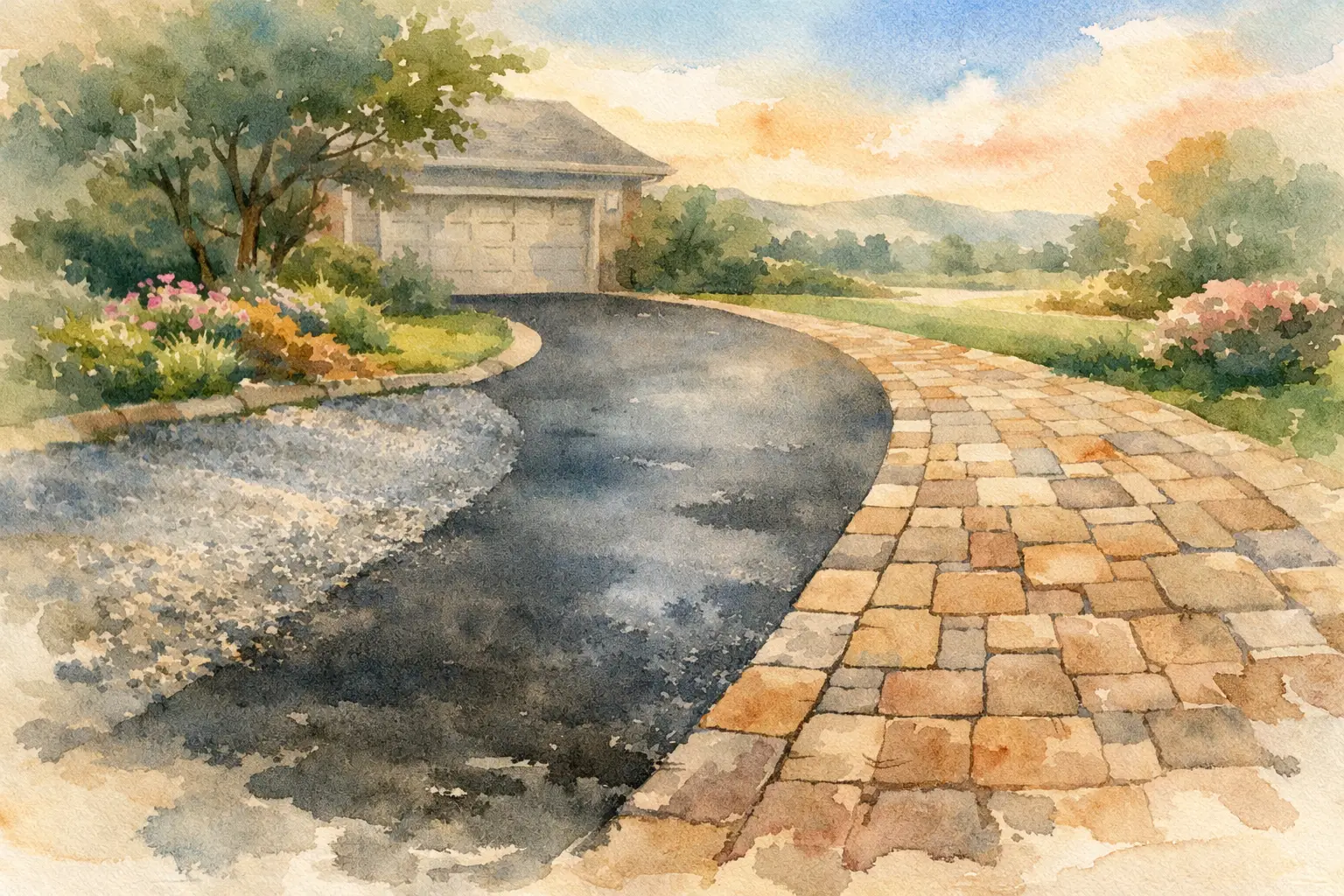
Best Driveway Resurfacing Options Explained
A driveway rarely fails all at once. More often, it starts with a few cracks, worn edges, loose stone, standing water or a surface that simply looks tired. If that sounds familiar, reviewing the best driveway resurfacing options is usually far more cost-effective than jumping straight to a full replacement.
The right answer depends on what is already in the ground, how badly it has deteriorated, how much traffic it takes and what you want the finished driveway to do. Some surfaces are chosen for appearance, some for speed and value, and some because they stand up better to heavy use and poor weather. A good resurfacing job should improve kerb appeal, deal with safety concerns and give you a surface that lasts.
What makes one resurfacing option better than another?
There is no single best material for every driveway. The best choice is the one that suits the existing base, drainage conditions, expected vehicle load and budget.
If the foundation is sound, resurfacing can be straightforward. If the sub-base has failed, if the driveway is moving, or if water is sitting where it should be draining away, adding a new top layer alone will not solve the real problem. That is where experience matters. A proper site assessment saves money because it avoids putting a good finish on top of a bad structure.
For most residential and mixed-use properties, the main factors are durability, maintenance, visual finish, drainage performance and installation time. Commercial buyers and facilities teams often add another concern – how quickly the surface can be returned to service.
Best driveway resurfacing options for most properties
Tarmac resurfacing
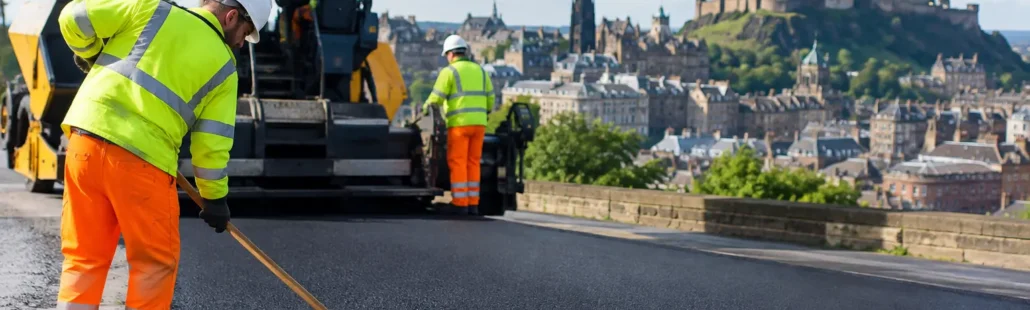
Tarmac remains one of the strongest all-round choices for resurfacing an existing driveway. It is hard-wearing, cost-effective and well suited to regular vehicle use. For homeowners, it gives a clean and tidy finish without overcomplicating the job. For larger private roads, shared access routes and commercial sites, it is often the most practical answer.
A fresh tarmac layer works well when the existing driveway has become worn, faded or lightly cracked but still has a stable base beneath it. It can also be edged neatly with kerbs, block borders or other features if appearance matters.
Its main advantages are durability and value. Tarmac also tends to be quicker to lay than many decorative alternatives. The trade-off is that it is a more functional look than block paving or resin, and surface preparation still matters. If there are dips, failed edges or structural cracks underneath, those areas need repair before resurfacing begins.
Asphalt resurfacing
Asphalt is another reliable option, particularly where a smoother, more engineered finish is needed. In practical terms, many customers use tarmac and asphalt interchangeably, but from a contractor’s point of view the exact specification can vary depending on aggregate size, finish and intended use.
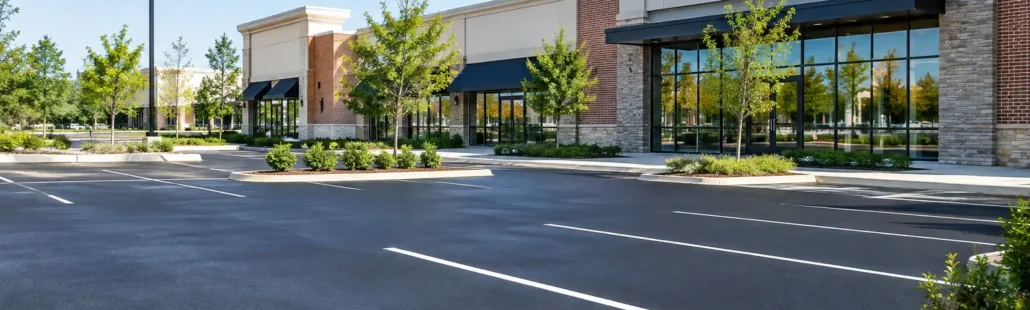
For driveways carrying frequent traffic, turning vehicles or heavier vans, asphalt resurfacing can provide excellent durability. It is also a strong choice where a neat, professional appearance matters but performance comes first.
The benefit is long-term strength and a finish that copes well with weather and use. The trade-off is similar to tarmac – it is not chosen mainly for decorative effect. It is chosen because it works, and keeps working.
Resin-bound overlay
If appearance is high on your list, resin-bound surfacing is often one of the best driveway resurfacing options to consider. It creates a smart, modern finish using decorative aggregate bound in resin, and it is available in a wide range of colours and blends.
A resin-bound overlay can work very well over a suitable existing base, usually asphalt or concrete, provided the substrate is stable and correctly prepared. It is especially popular on domestic driveways where kerb appeal matters and the owner wants something more refined than a plain black surface.
Its biggest strengths are appearance and permeability when installed as part of the right system. It can help with drainage, and it gives a high-end finish. The trade-off is that it is less forgiving of poor groundwork. If the base is cracked or moving, that movement can reflect through. It also tends to be more expensive than straightforward bitmac-based resurfacing.
Block paving overlay or partial relay
Where an existing block paved driveway has sunk, spread or become uneven, resurfacing is not always a case of pouring a new layer over the top. In many cases, the better solution is lifting affected areas, correcting the bedding and base, and relaying or replacing the blocks.
This approach can be very effective if the driveway has good-quality materials but localised failure. It preserves the style of the property and can restore both appearance and function. It also allows access to deal with drainage or edge restraint issues.
The downside is that block paving can become labour-intensive if the problems are widespread. Once too much of the area has moved or degraded, a more complete rebuild may offer better value than repeated patching.
Surface dressing for suitable private roads and access routes
Surface dressing is not right for every domestic driveway, but it can be a very sensible resurfacing method for longer rural driveways, estate roads and private access routes. It involves applying a bitumen binder and covering it with aggregate to restore texture and protection.
It is a cost-effective way to refresh a worn surface and improve grip. On the right site, it can extend service life without the cost of full resurfacing.
The important point is suitability. It is generally better for larger or more functional surfaces than for a front driveway where a highly refined finish is expected. Loose aggregate during the early period can also be a consideration.
When resurfacing is enough – and when it is not
A sound resurfacing job depends on the condition underneath. If your driveway has shallow cracks, surface wear, fretting, minor undulation or poor visual finish, resurfacing may be all that is needed.
If there are deep structural cracks, major sinking, edge collapse, persistent standing water or clear sub-base failure, full reconstruction may be the better option. In those cases, resurfacing alone can become false economy because the defects return through the new finish.
This is particularly relevant in areas with repeated freeze-thaw cycles and heavy rainfall, which is a common issue across Scotland and the North of England. Water is one of the main reasons driveways deteriorate. If drainage is ignored, the surface rarely lasts as it should.
Choosing the right surface for your property
If your priority is straightforward durability at a sensible cost, tarmac or asphalt is usually the best place to start. These surfaces suit a wide range of homes, shared drives and commercial premises, and they deliver dependable performance without unnecessary maintenance.
If visual finish is the deciding factor, resin-bound surfacing may be the better fit, provided the existing base is suitable and the budget allows for it. It gives a more decorative result and can add real value to the look of a property.
If you already have block paving and want to preserve that style, a relay or targeted repair-and-resurface approach can work well. And if the surface is a longer private road or estate access rather than a standard front drive, surface dressing may offer the most practical value.
The key is not choosing a material in isolation. It is matching the resurfacing method to the driveway’s current condition, how it is used and how long you want it to last.
Preparation matters more than many people realise
The finish is what people see, but the preparation is what determines whether the driveway performs. Cleaning, repairing weak spots, correcting levels, dealing with drainage and ensuring proper edge support all make a major difference.
Poor preparation is the reason many resurfacing jobs fail early. Cracks return, puddles remain, edges break away and the surface starts to wear before it should. A dependable contractor will be clear about what needs repairing first and will not pretend a thin cosmetic layer can solve structural problems.
That practical approach is especially important for clients managing commercial sites, schools, depots, car parks and access roads, where safety and downtime matter just as much as appearance. The same principle applies to domestic jobs. A driveway should not only look better on day one – it should stay serviceable.
Cost versus long-term value
Cheapest and best are rarely the same thing in surfacing. A lower upfront price can make sense if the existing base is in very good condition and the job is genuinely simple. But if preparation is skipped or the wrong surface is used, repair costs come back quickly.
Long-term value comes from choosing a resurfacing method that suits the site and is installed properly. For many properties, that means investing in repairs below the surface before the new finish goes on. It is not the flashy part of the project, but it is usually the part that decides how long the driveway will last.
For customers who want a practical, durable result without unnecessary disruption, that is usually the smartest route. Companies such as EB Road Surfacing are often asked the same question: should we resurface or replace? The honest answer is that it depends on the structure underneath, not just the look of the top layer.
If your driveway is worn but fundamentally stable, resurfacing can transform it quickly and cost-effectively. The best result comes from choosing the option that fits the surface, the traffic and the condition below it – not simply the one that looks best in a photograph.