What Is Surface Dressing and How It Works
If a road or driveway is starting to look tired, losing grip, or showing early signs of wear, full resurfacing is not always the first answer. What is surface dressing? In simple terms, it is a preventative road maintenance treatment that seals the surface, improves skid resistance, and helps extend the life of the existing road or paved area.
For councils, site managers, landowners, and homeowners, that matters because surface dressing can deal with ageing surfaces before bigger failures set in. Done at the right time, it is a practical way to protect an asset, improve safety, and control maintenance costs.
What is surface dressing?
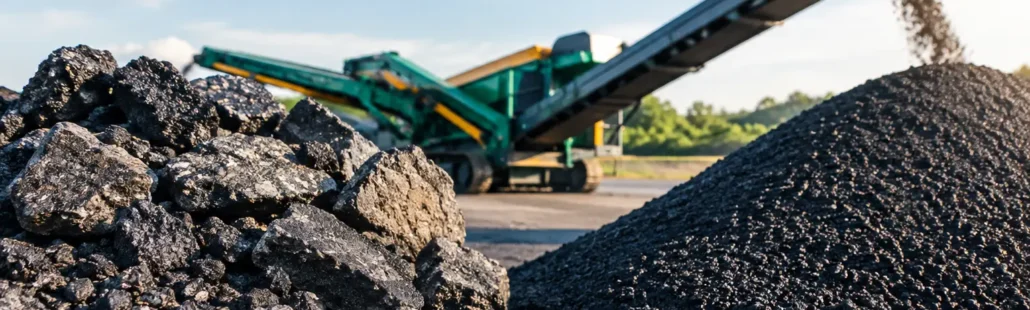
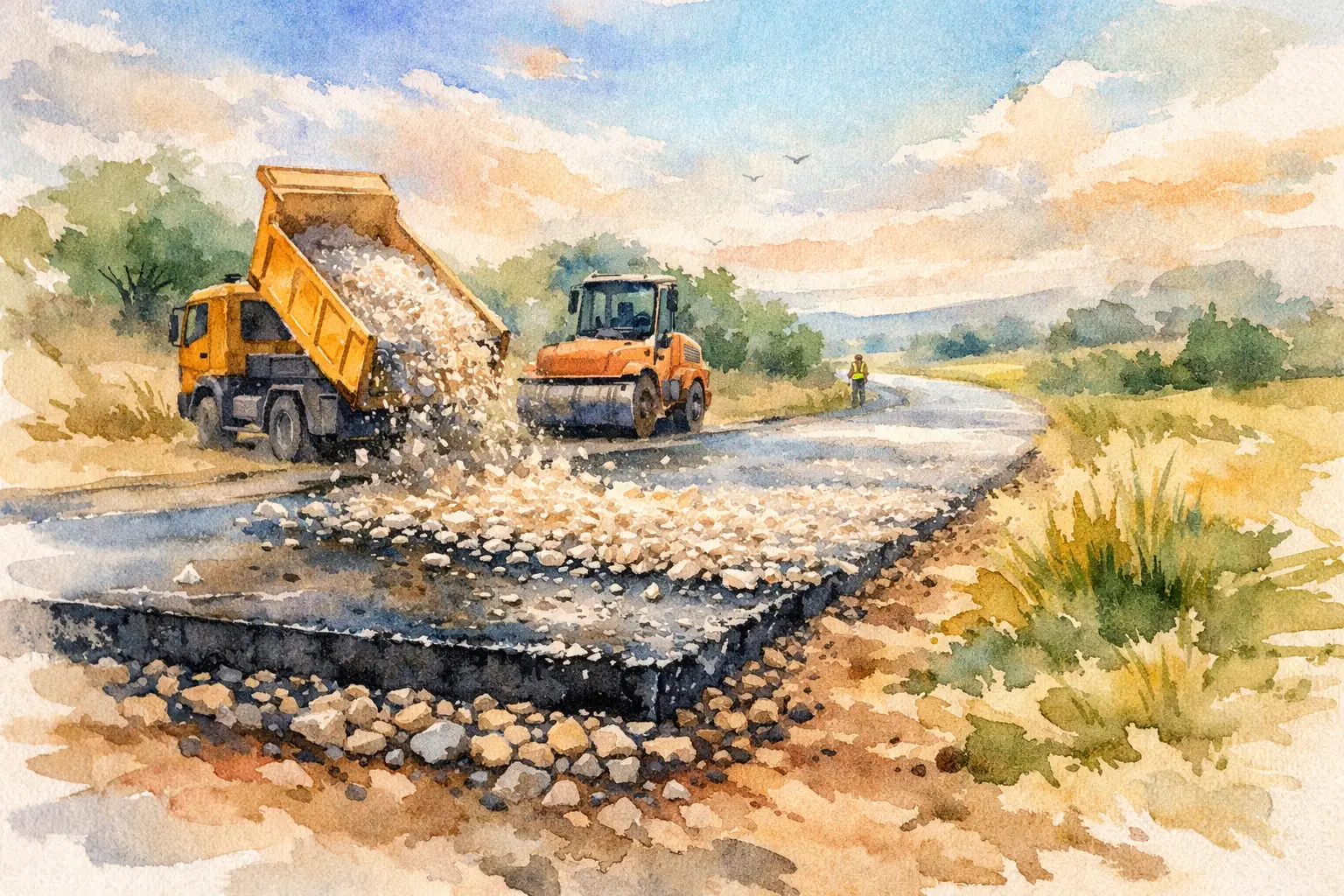
Surface dressing is a road maintenance method where a layer of bitumen binder is sprayed onto an existing surface and then covered with stone chippings. The chippings are rolled in so they bond to the binder, creating a refreshed wearing surface.
It is not the same as full resurfacing. The existing road or driveway stays in place. Surface dressing works on the top layer only, which is why it is usually classed as a preservation treatment rather than a structural repair.
That distinction is important. If the surface is sound overall but becoming polished, dry, or slightly open-textured, surface dressing can be an efficient option. If the base has failed, there are widespread potholes, or the surface is badly deformed, a deeper repair or resurfacing job is usually the better route.
How surface dressing works
The process itself is straightforward, but good results depend on timing, preparation, and proper application rates.
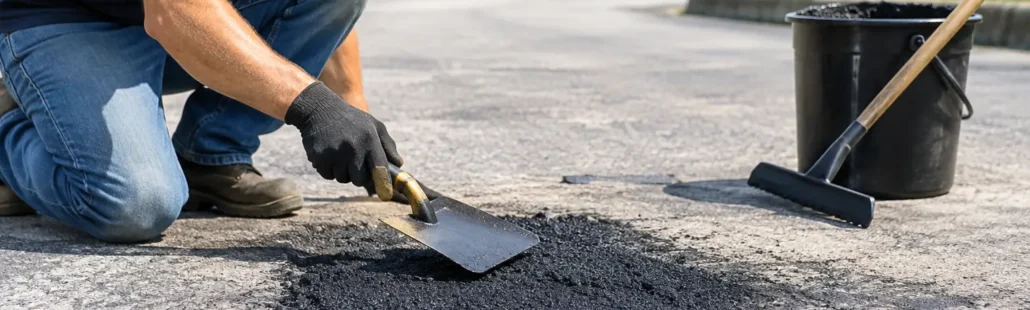
First, the existing surface is inspected. Any localised defects such as potholes, failed edges, or weak patches should be repaired beforehand. The area is then cleaned so the binder can adhere properly.
Once the surface is ready, hot bitumen binder is sprayed evenly across it. Clean, graded stone chippings are then spread over the binder and rolled into place. After that, traffic or site use helps bed the stone down further, although controlled aftercare is important during the early stage.
A final sweep is usually carried out to remove any excess chippings once the dressing has settled. When the work is planned well and the weather is suitable, the result is a sealed surface with renewed texture and grip.
Where surface dressing is commonly used
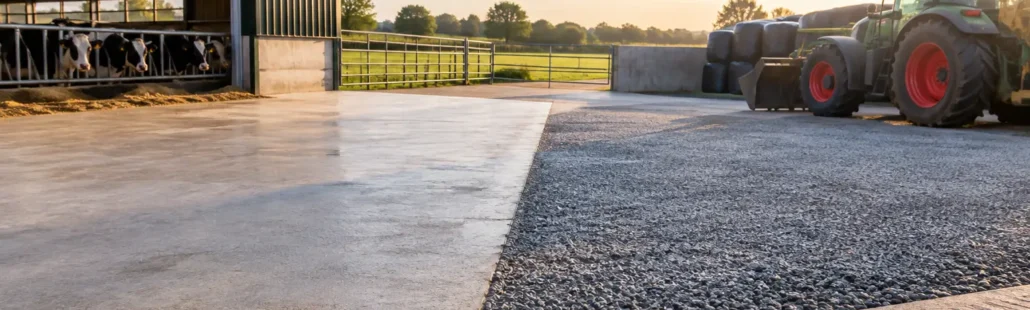
Surface dressing is widely used on roads, private estates, farm roads, access lanes, car parks, and some driveways. It is especially useful on surfaces that are beginning to age but are still structurally stable.
On rural roads, it is a common treatment because it can cover longer stretches efficiently and restore skid resistance. On commercial sites, it can help maintain traffic routes and open yard areas without the cost and disruption of full reconstruction. On private land, it can be a sensible option for longer driveways or access roads where appearance, traction, and weather protection all matter.
That said, it is not right for every setting. A high-end decorative driveway, for example, may not suit the looser, more textured finish. Likewise, heavily trafficked areas with severe turning stress may need a different specification.
The main benefits of surface dressing
The biggest advantage is value. Surface dressing is generally more cost-effective than resurfacing because it treats the top of the surface rather than replacing it.
It also helps waterproof the existing road. That matters in the UK, where rain, frost, and repeated freeze-thaw cycles can quickly turn small surface defects into larger failures. By sealing minor cracks and preventing water ingress, surface dressing can slow down deterioration.
Grip is another key benefit. Older asphalt surfaces can become smooth over time, especially where traffic has polished the surface. Fresh chippings restore texture and improve skid resistance, which supports road safety for vehicles and pedestrians.
There is also the speed of installation. Compared with more invasive surfacing works, surface dressing is relatively quick to apply, which can reduce disruption on access roads, business premises, and residential routes.
When surface dressing is the right choice
Surface dressing works best as a preventative treatment, not a last resort. If a road or driveway is still fundamentally sound but showing signs of surface ageing, this is often the right stage to act.
Typical signs include loss of texture, minor fretting, a dry or oxidised appearance, and small cracks that have not yet developed into major defects. In those cases, dressing the surface can buy valuable extra life and delay the need for larger capital spend.
This is why regular inspection matters. Waiting until a surface is breaking up badly usually removes the cost benefit. Once structural issues are present, patching and full resurfacing start to become more realistic options.
When it is not enough
A common misunderstanding is that surface dressing can fix any worn road. It cannot. It improves and protects the top layer, but it does not rebuild a failed structure underneath.
If there are deep potholes, rutting, subsidence, widespread cracking, or movement in the base, those issues need proper repair first. Applying surface dressing over a badly failed surface will not solve the underlying problem, and the finished result will reflect that.
This is where an experienced contractor earns their place. A proper site assessment should tell you whether surface dressing is suitable on its own, whether patch repairs are needed beforehand, or whether resurfacing is the more sensible long-term investment.
What the finish looks like
Surface dressing does not leave the same smooth, black finish as newly laid tarmac or asphalt. Instead, it creates a textured surface made up of embedded stone.
That finish is one reason it performs well for skid resistance, but it also means expectations need to be realistic. For some clients, especially those managing estate roads, rural access routes, or utility areas, that is not a drawback at all. For others who want a cleaner, more uniform appearance, resurfacing may be the better fit.
The look also settles over time. In the early days after application, there may be some loose chippings on the surface before final sweeping and bedding-in are complete.
Weather, timing, and site conditions
Surface dressing is highly dependent on the right weather conditions. The binder needs suitable temperatures and a dry enough window to perform properly, which is why this work is usually scheduled in warmer months.
Cold, damp, or unsettled conditions can affect adhesion and curing. Traffic speed and volume also need to be considered, particularly in the initial period after application. On some sites, temporary traffic management or access control may be required to protect the new surface while it beds in.
For clients managing active premises, that planning stage matters just as much as the treatment itself. Good communication, clear timings, and the right aftercare reduce disruption and help the surface perform as intended.
Surface dressing for roads, car parks, and driveways
The same basic principle applies across different settings, but the specification can vary depending on use.
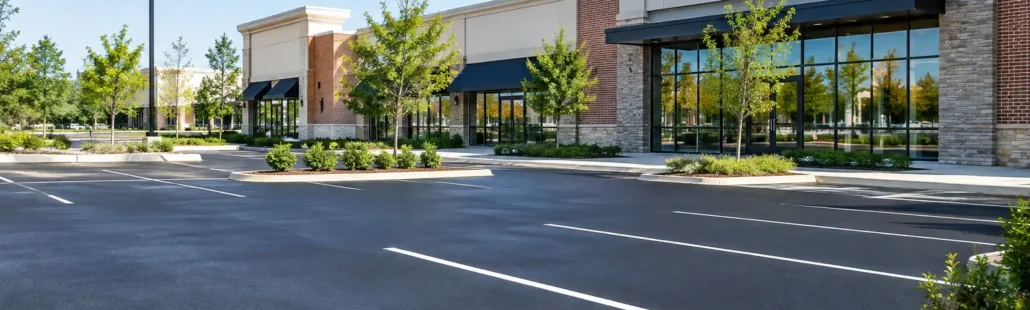
On public and private roads, the focus is often on extending service life and restoring skid resistance. On car parks, the aim may be to freshen the surface and seal it before water damage develops. On longer driveways and access tracks, surface dressing can offer a practical finish that stands up well to regular vehicle use while keeping costs under control.
For domestic customers, the key question is often appearance versus function. For commercial and public-sector buyers, it is more often about lifecycle cost, safety, and speed of completion. Neither approach is wrong. It simply depends on the surface and what you need it to do.
Choosing the right contractor
Surface dressing may sound simple, but poor preparation or incorrect application can shorten its lifespan. Binder rates, stone size, weather conditions, traffic levels, and the condition of the existing surface all need to be judged properly.
That is why it pays to use a contractor with genuine surfacing experience rather than treating it as a quick fix. The right team will assess the site honestly, explain whether the surface is a good candidate, and recommend repairs first if needed. A dependable contractor should also be clear about finish expectations, curing time, and how the area will be managed immediately after the works.
For property owners and site managers, the best results usually come from acting early. If a road, car park, or driveway is starting to lose texture and weather resistance but has not yet reached the point of structural failure, surface dressing can be a very sensible investment. The right treatment at the right time often saves far more than leaving the problem for another season.