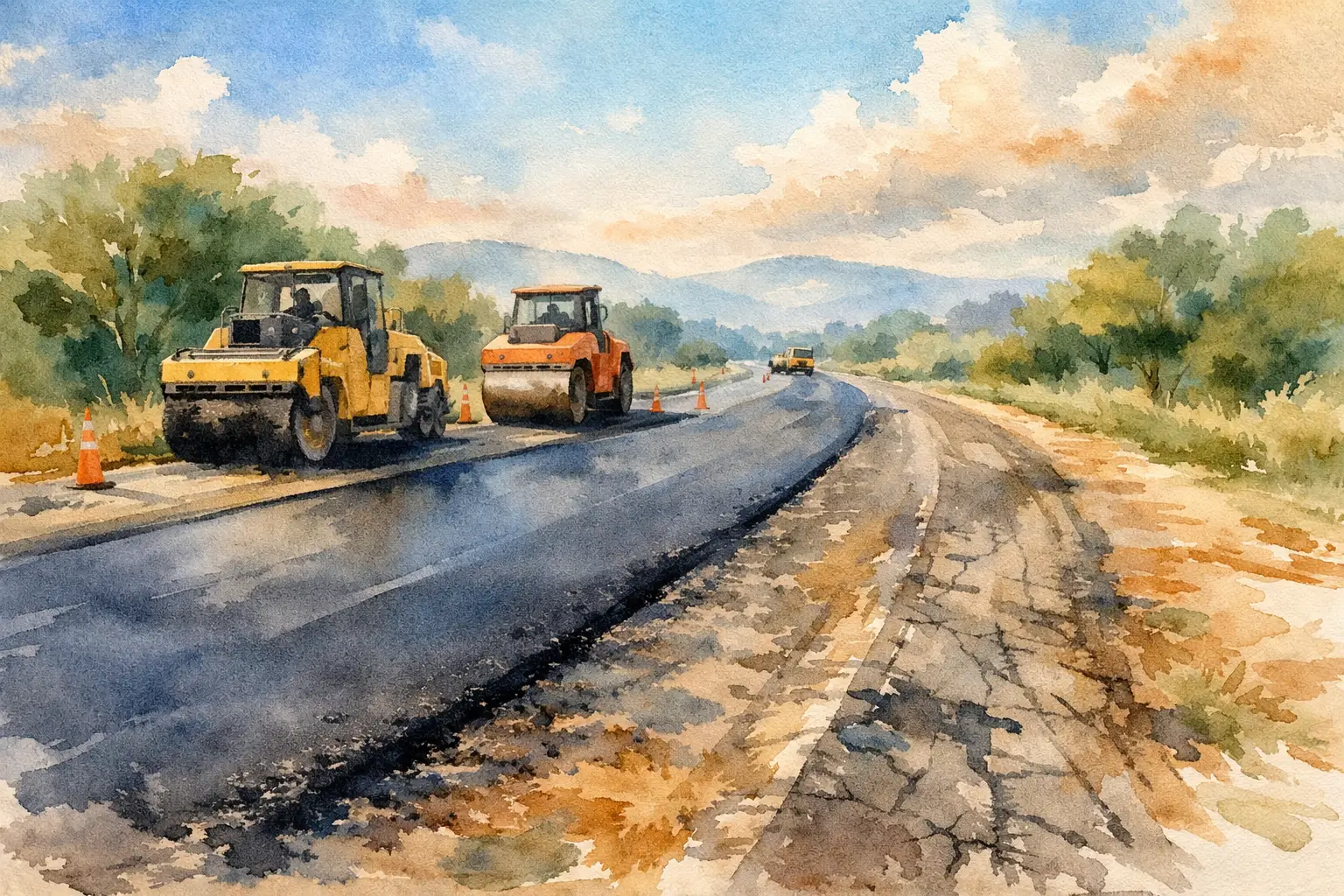
How Long Does Road Resurfacing Last?
A newly resurfaced road can look finished on day one and still fail years earlier than expected if the job underneath it was wrong. That is usually the real answer behind the question, how long does road resurfacing last. It is not just about the top layer. Lifespan depends on traffic, drainage, ground condition, materials, weather and the quality of the preparation before the new surface goes down.
For most roads, car parks and access routes, a professionally resurfaced asphalt or tarmac surface can last anywhere from 10 to 20 years. On lighter-use private roads or well-built driveways, it can be longer. On heavily used commercial routes, loading yards or roads carrying frequent HGV traffic, the working life may sit closer to the lower end unless the specification has been designed for that use.
How long does road resurfacing last in practice?
The broad estimate is useful, but real-life resurfacing does not work to a single number. A residential estate road with light daily traffic will age very differently from a busy delivery yard or public access road. Even two surfaces laid in the same month can perform differently if one has poor drainage or a weak base.
As a practical guide, surface dressing may give around 8 to 12 years where the underlying road is still sound. A standard asphalt resurfacing scheme often delivers 10 to 20 years. A full reconstruction, where failed layers are removed and rebuilt properly, can last longer still because the structural issues have been dealt with rather than covered over.
That is why the right question is not only how long the resurfacing itself lasts, but whether the existing surface and base were suitable for resurfacing in the first place.
What affects the lifespan of resurfaced roads?
Traffic loading is one of the biggest factors. A surface used mainly by cars and light vans will generally wear far more slowly than one taking buses, farm vehicles or regular lorry movements. Repeated turning, braking and standing loads also matter. Entrances, junctions and tight corners often break down faster because the surface is under more stress.
Drainage is another major issue. Water is one of the main causes of road deterioration in the UK. If water sits on the surface, gets into cracks or reaches the lower layers, the road weakens from the top down and from the base up. Freeze-thaw cycles then make the problem worse. A good-looking surface will not stay good for long if water has nowhere to go.
The condition of the sub-base and binder layers matters just as much as the finish. If the road already has movement, sinking areas or widespread fatigue cracking, a new wearing course alone may only hide the defects for a short time. In those cases, resurfacing can still be the right option, but only if weak sections are cut out and rebuilt before the final surface is laid.
Material choice also influences durability. Different asphalt mixes are designed for different uses. A domestic driveway, a retail car park and an industrial estate road should not all be treated as the same job. The right specification depends on expected traffic, turning movements, drainage needs and budget. Going too light on the specification may reduce the initial cost, but it often shortens the surface life and increases repair spend later.
Finally, workmanship makes a noticeable difference. Proper levels, correct compaction, clean joints and careful preparation all affect how long the finished surface holds together. Poor edge restraint, rushed patching or laying over unstable areas usually leads to early failure.
Resurfacing versus reconstruction
One reason customers get mixed answers is that resurfacing and reconstruction are often spoken about as if they are the same thing. They are not.
Resurfacing normally means removing and replacing the top layer or layers while keeping much of the existing structure beneath. It is an efficient solution when the road is worn, cracked or uneven at the surface but still structurally sound overall. It improves safety, appearance and ride quality without the cost of rebuilding the entire road.
Reconstruction is more extensive. It involves excavating failed sections or the full road build-up and replacing the structural layers from the bottom up. This is necessary when the base has failed, drainage is poor, or the surface has deteriorated beyond what resurfacing alone can realistically solve.
If a road is resurfaced when it actually needed reconstruction, the lifespan will be disappointing. If it is correctly assessed and resurfaced at the right stage, the value is much better.
Signs a resurfaced road may not last as long as it should
Early problems usually show up in predictable ways. If cracks begin to reflect through quickly, there may be movement in the layers below. If wheel tracks start dipping, the structure may not be strong enough for the traffic using it. If water ponds on the surface, levels or drainage may not have been addressed properly.
Edge breakdown is another common warning sign, especially on rural roads, private lanes and car parks where vehicles run close to the sides. Once edges begin to crumble, water gets in and the damage spreads. Potholes, localised settlement and loose material also point to weaknesses that should be dealt with before they become larger failures.
A resurfaced road does not need to be perfect forever, but it should not show major distress early in its life. When it does, the issue is often not age alone. It is usually specification, preparation or drainage.
How to make road resurfacing last longer
The best way to extend surface life is to act before defects become structural. Small cracks, drainage faults and isolated weak spots are far cheaper to fix early than after they have spread through the road. Planned maintenance nearly always costs less than waiting for visible failure.
Routine inspections help, particularly on commercial sites and access roads with regular vehicle movements. Standing water, fretting, open joints and worn markings are all signs worth catching early. On larger sites, it is sensible to review the surface after winter and again after periods of heavy use.
Keeping gullies, channels and drainage runs clear also protects the investment. There is little point paying for resurfacing if water is then allowed to sit on top of it. Good drainage is not an extra. It is part of durability.
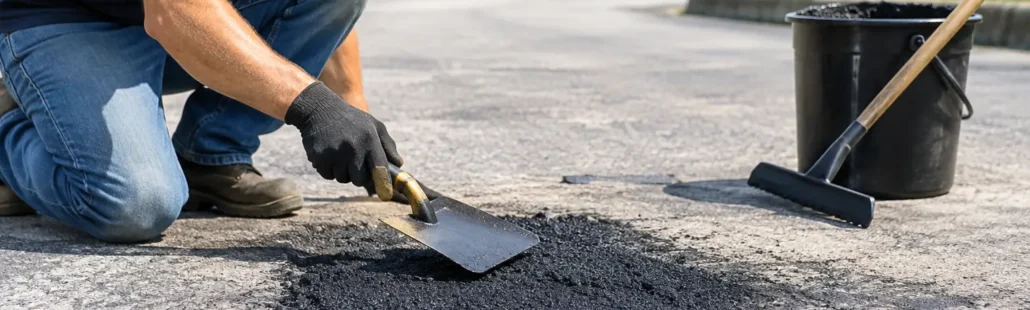
Timely patch repairs can also add years to the wider surface. If a few areas are failing because of local weakness, repairing them properly can prevent the need for larger resurfacing works too soon. The key word is properly. Quick cosmetic patching may tidy the area temporarily, but it rarely performs like a well-cut and reinstated repair.
Is road resurfacing worth it if the surface is already damaged?
In many cases, yes. Resurfacing is often the most cost-effective option when the road is tired, cracked or uneven but not completely failed. It restores the surface, improves appearance, reduces trip hazards and can help avoid the higher cost of full reconstruction if carried out at the right time.
That said, there is always a trade-off between short-term spend and long-term performance. If the road has widespread structural failure, deep rutting or severe drainage problems, resurfacing alone may only delay the bigger job. A proper site assessment is what separates a sensible resurfacing scheme from a false economy.
For commercial buyers, facilities teams and property managers, that matters because disruption is part of the cost as well. A surface that needs repeat repairs too soon does not just cost more in materials. It affects access, safety and day-to-day operations.
How long does road resurfacing last on driveways and car parks?
Private driveways and smaller car parks often last well because traffic is lighter, but they still depend on the same basics. A driveway resurfaced over a stable foundation with suitable falls and drainage can give many years of service. If vehicles regularly turn on the spot, stand for long periods or use the same wheel paths every day, wear can show earlier in those areas.
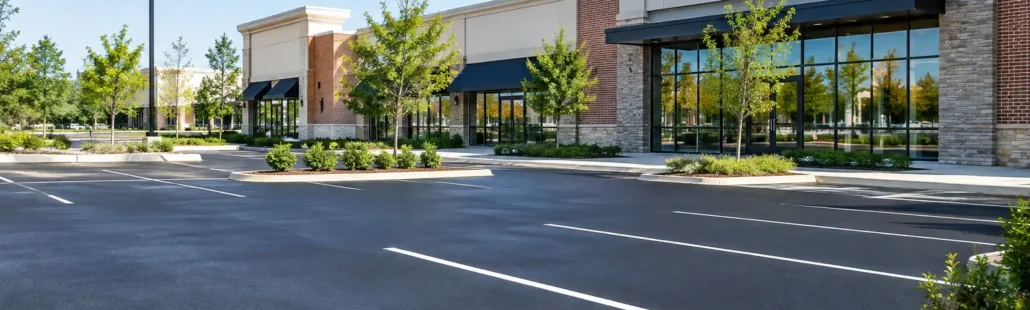
Car parks vary more than people expect. A lightly used staff car park may perform very well for years, while a retail or mixed-use site with delivery vehicles, frequent turning and higher traffic volumes will place much more strain on the surface. Entrances, bays near loading areas and turning heads are often the first sections to show wear.
This is why a one-size-fits-all answer never quite works. The best results come from matching the build and material to the way the surface is actually used.
A dependable contractor will be straightforward about that. If a simple resurfacing job is enough, they should say so. If deeper repairs are needed first, they should say that too. For customers across Scotland and the North of England, that practical approach is usually what leads to a surface that lasts as it should.
If you are weighting up resurfacing work, think less about the cheapest way to make the road look new and more about what will keep it safe, serviceable and cost-effective for the longest time.