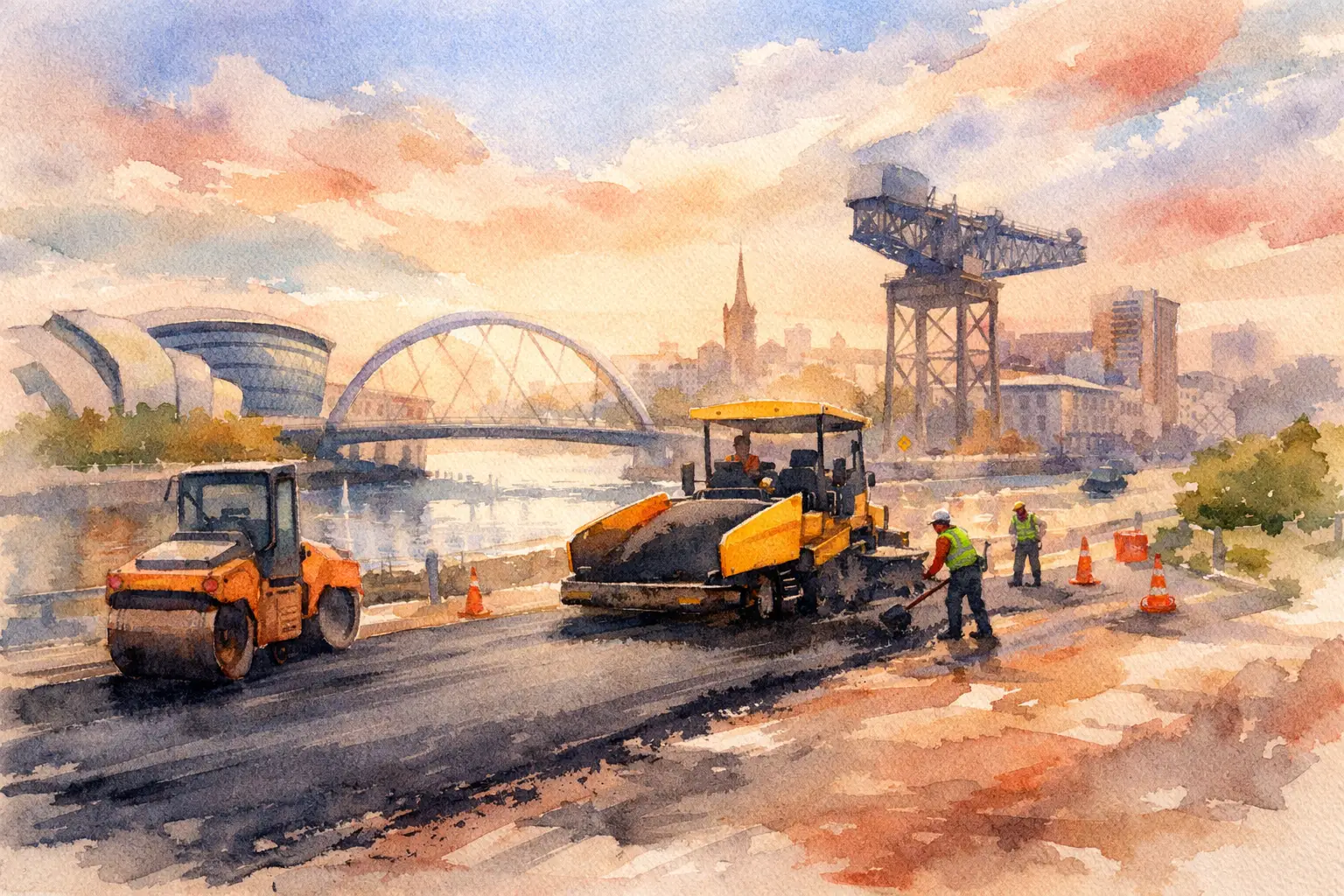
Road Surfacing Glasgow: What to Expect
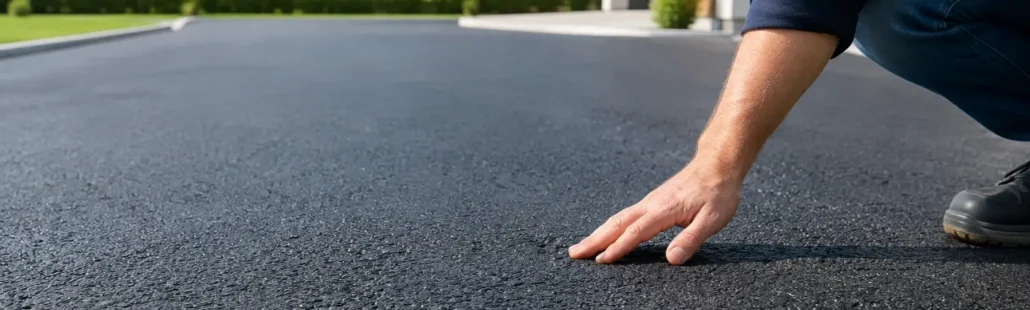
A worn road or access route usually gives you plenty of warning before it fails properly. Cracks spread, puddles sit longer, loose aggregate appears, and before long the surface becomes a safety issue as much as an eyesore. If you are planning road surfacing Glasgow works for a private road, car park, commercial yard or residential access route, getting the specification right at the start matters far more than simply choosing the cheapest quote.
The reason is straightforward. Surfacing is not just about the top layer. A surface only performs as well as the base beneath it, the drainage around it, and the traffic it needs to carry. A driveway for light domestic use is one thing. A service yard used by vans and heavier vehicles is another. The right contractor should be looking at the whole job, not just the visible finish.
Why road surfacing in Glasgow needs a practical approach
Glasgow weather is hard on paved surfaces. Repeated rainfall, standing water, cold snaps and regular traffic movement all put pressure on asphalt and tarmac surfaces. Small weaknesses tend to open up quickly when water gets into the structure and vehicles continue to pass over the same points.
That is why a proper assessment comes first. Some surfaces need full resurfacing because the existing layers have broken down too far. Others can be repaired in sections, patched, reprofiled or treated with surface dressing to extend service life. There is no value in overselling a full replacement where a targeted repair will do the job. Equally, patching a failing surface year after year can become false economy.
For commercial clients, facilities teams and property managers, this is usually the balancing act. You want a surface that is safe, presentable and durable, but you also need work completed efficiently and within budget. For homeowners, the priorities are often similar, just on a smaller scale. A clean, properly laid surface improves access, appearance and day-to-day use, but it still needs to stand up to weather and vehicle movement over time.
What a road surfacing Glasgow contractor should assess
A reliable contractor will usually start by looking at the condition of the existing surface, the type of traffic using it, how water currently drains, and whether edge support is adequate. These details affect both lifespan and finish.
Surface condition and structural strength
If the top layer is cracked but the base remains sound, resurfacing may be enough. If there is widespread movement, sinking, potholing or soft spots, deeper reconstruction may be required. This is where experience matters. A surface can look tired without being structurally finished, and it can also look acceptable while hiding serious failure underneath.
Drainage and water management
Poor drainage shortens the life of any surface. Water that sits on the road, driveway or car park eventually works its way into weak points and speeds up deterioration. In some cases the answer is minor regrading. In others, channels, gullies or edge work need to be addressed before new surfacing goes down.
Traffic type and usage
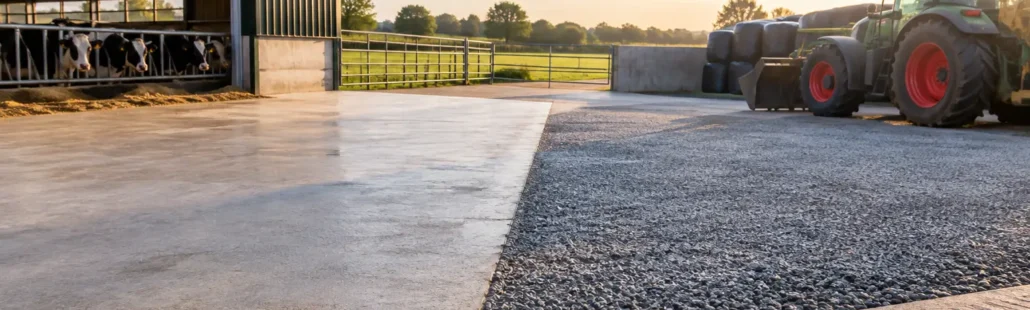
Light domestic traffic places different demands on a surface than regular commercial vehicles, delivery vans or site traffic. The material choice, layer depth and preparation should reflect actual use rather than assumptions. Cutting corners here is one of the quickest ways to end up paying for remedial work too soon.
Choosing the right surfacing method
There is no single best option for every site. The right choice depends on use, budget, condition and how long you need the surface to last.
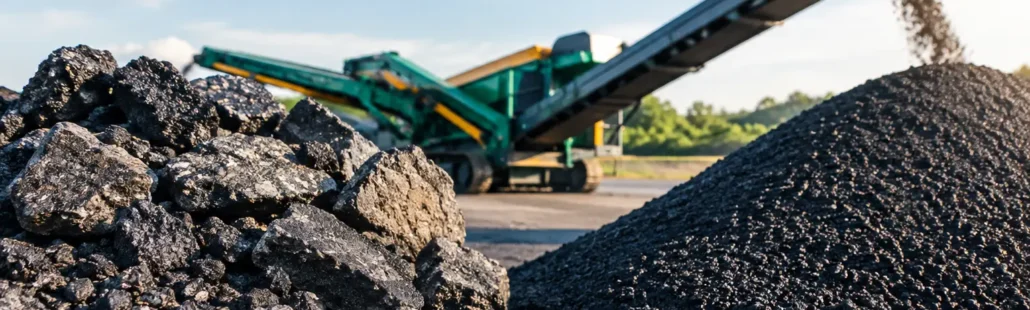
Tarmacadam remains a popular option because it is cost-effective, durable and suitable for a wide range of domestic and commercial applications. It gives a tidy finish, can be laid efficiently, and performs well when installed on a properly prepared base.
Asphalt is often the better fit where a smoother, more hard-wearing finish is needed, particularly in roads, car parks and higher-traffic areas. It can offer better long-term performance in the right setting, but the benefit depends on the groundwork being done properly.
Surface dressing can be a sensible maintenance option for roads and larger access routes where the structure is still serviceable but the wearing course needs attention. It helps restore grip and protect the surface, though it is not a fix for structural failure. That distinction matters. A maintenance treatment cannot solve a base problem.
For damaged sections, pothole repairs and local patching are often the most practical answer, especially where immediate safety is the priority. But if repairs become frequent across the same area, full resurfacing may be the better financial decision in the medium term.
What affects cost on road surfacing jobs
The biggest cost factors are usually size, current condition, required preparation, material choice and site access. A simple overlay on a sound surface is a very different job from excavating failed sections, rebuilding the sub-base and correcting drainage before surfacing.
Access can also change the price. Tight residential areas, busy commercial premises and sites that need phased working all affect labour, plant movement and programme length. The same applies to live environments where pedestrian or vehicle access must be maintained while work is underway.
It is also worth being cautious about very low quotes. Competitive pricing is important, but a figure that looks too good often means something has been left out. Sometimes it is edge work. Sometimes it is proper preparation. Sometimes it is simply unrealistic. A dependable quote should make sense for the condition of the site and the work required.
Minimising disruption during surfacing works
Most clients are not just buying a new surface. They are buying a job that needs to be managed properly from start to finish. That means clear communication, sensible scheduling and a site plan that keeps disruption under control.
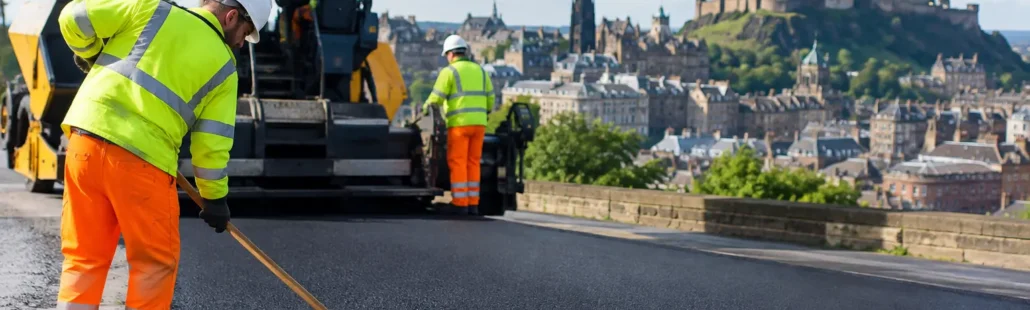
For commercial premises, this may involve out-of-hours work, phased sections or coordinating around deliveries and staff access. For homeowners, it may be as simple as setting expectations about access restrictions and curing times. Either way, the best jobs run smoothly because the contractor has planned them properly.
This is where a hands-on surfacing team makes a difference. A practical contractor will explain what happens first, what needs to dry or settle, and when the area can be used again. Straight answers save time and avoid frustration.
Signs it is time to resurface rather than keep repairing
Some defects are isolated and worth repairing. Others are signs the whole surface has reached the end of its useful life. If potholes keep reappearing, cracking is widespread, drainage has become a constant issue, or the surface is breaking up under routine traffic, resurfacing is often the smarter route.
Appearance also matters more than some people think. On commercial sites, a worn and patchy surface can affect first impressions, vehicle movement and pedestrian safety. On residential properties, it can make the entrance look neglected even when the rest of the property is well kept. A new surface improves use first, but it also lifts the overall standard of the site.
Getting a longer life from the finished surface
Good installation is the starting point, not the whole story. Even a well-laid surface benefits from sensible maintenance. Keeping drainage clear, dealing with small defects early, and avoiding unnecessary heavy loading on lighter-duty areas all help protect the investment.
For larger sites, planned maintenance often works better than waiting for visible failure. Smaller repairs and periodic treatment can hold back more expensive reconstruction if they are done at the right time. For domestic customers, the same principle applies. A small crack or edge failure is easier and cheaper to address before water and frost make it worse.
When clients want dependable road surfacing, they are usually looking for the same outcome regardless of project size – a surface that is safe, durable, properly finished and built to last. That applies whether you are resurfacing a driveway, renewing a car park or upgrading an access road.
A contractor such as EB Road Surfacing should be able to assess the site clearly, recommend the right approach without overcomplicating it, and carry out the work with minimal disruption. That is what gives you value over the long term, not just a fresh black finish on the day the job is completed.
If your surface is starting to fail, the best time to act is before minor defects become structural problems. A well-timed repair or resurfacing job usually costs less, causes less disruption and leaves you with a surface you can rely on.