How to Maintain Asphalt Surfaces Properly
A sound asphalt surface rarely fails all at once. It starts with small cracks, standing water after rain, loose edges, faded markings, or a patch that never quite dries as it should. That is why knowing how to maintain asphalt surfaces matters. Whether you are responsible for a driveway, private road, access lane or commercial car park, routine upkeep is what keeps a solid surface safe, presentable and far less expensive to manage over time.
Asphalt is durable, but it is not maintenance-free. Weather, traffic, oil spills, frost, poor drainage and neglected minor damage will all shorten its working life. The good news is that most issues can be controlled early, before they turn into wider structural repairs or full resurfacing.
How to maintain asphalt surfaces without overspending
The mistake many property owners make is waiting for obvious failure. By the time potholes appear or the surface starts breaking away, the repair is often larger than it needed to be. Good maintenance is less about constant intervention and more about timely intervention.
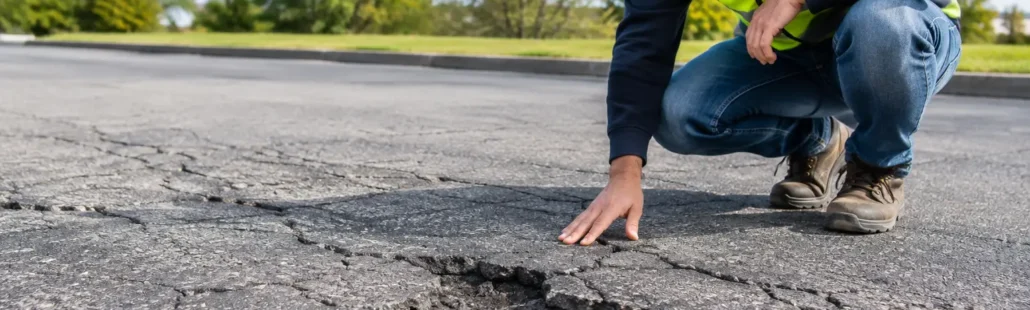
A practical maintenance plan usually starts with inspection. Walk the area regularly and look for changes rather than dramatic damage. Fine cracks, sinking around drainage points, loose aggregate, worn bay markings and water pooling are all signs that the surface is starting to lose performance. On a domestic driveway this might be quick to spot. On a busy commercial site, it may need a more structured inspection schedule.
Frequency depends on use. A lightly used private drive may only need a proper check every few months, while a delivery yard, retail car park or access road carrying heavier vehicles should be looked at more often. If the surface takes regular traffic from vans, plant or lorries, wear will appear faster at turning points, entrances and braking areas.
Keep the surface clean and dry
Basic cleaning does more than improve appearance. Leaves, mud, grit and standing organic debris hold moisture against the surface and can block drainage channels. Over time, trapped water is one of the main reasons asphalt starts to deteriorate.
Sweeping loose debris away and keeping gullies, channels and edge lines clear helps the surface drain properly. This is especially important through autumn and winter, when blocked drainage and repeated freeze-thaw cycles can do real damage. Moss and weed growth along edges or in joints should also be dealt with promptly. They do not usually cause the first crack, but they will widen one once it appears.
Spills matter too. Oil, fuel and chemical leaks can soften asphalt if they are left in place. On domestic surfaces this often happens where vehicles are parked in the same spot. On commercial sites, service areas and loading zones tend to take the worst of it. Fast clean-up limits staining and helps prevent the binder from breaking down.
Deal with cracks early
Cracks are one of the clearest warning signs, but they are not all equal. Fine surface cracking may be largely age-related at first, while wider open cracks often suggest movement, water entry or weakness below the top layer. The key point is simple – once water gets in, the problem grows faster.
During cold weather, trapped water expands as it freezes, putting more pressure on the surface. Under traffic, those weakened sections start to break apart. What could have been a modest crack repair can quickly turn into patching or sectional resurfacing.
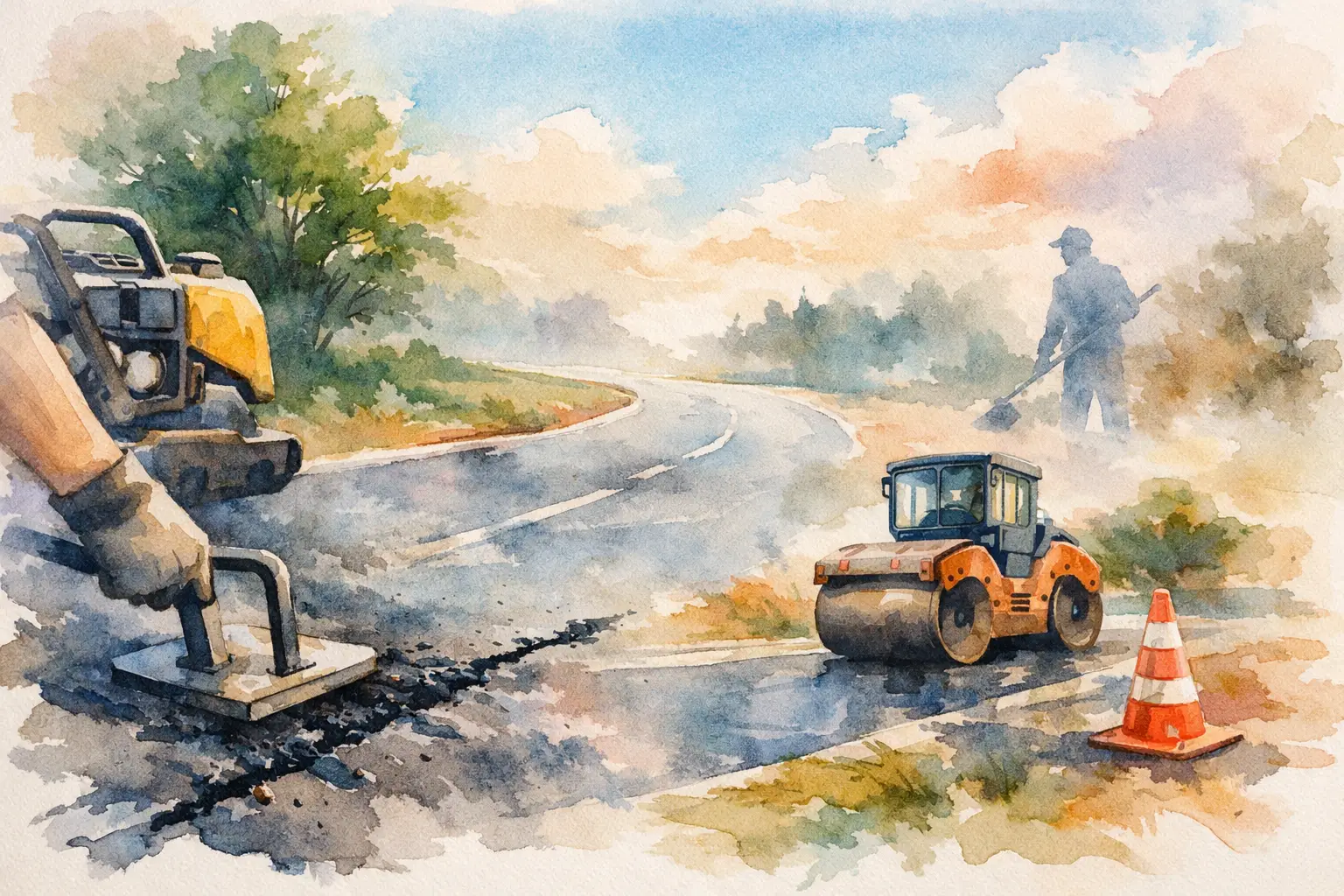
Small cracks are generally best treated early with the correct repair method for the size and condition of the defect. Larger or repeated cracking across the same area may point to a deeper issue with the base, drainage or load demand. In those cases, sealing the surface alone will not solve the problem for long. A professional assessment is worth it because the right repair at the right stage is usually cheaper than repeated short-term fixes.
Watch drainage closely
If water sits on asphalt, expect trouble. Ponding after rainfall often tells you that the surface has sunk slightly, the falls are wrong, or drainage points are blocked. Even shallow standing water shortens service life because it keeps moisture in contact with the wearing course and encourages breakdown around weak spots.
This is where maintenance becomes more than cosmetic. A surface can look mostly sound and still be heading towards premature failure because water has nowhere to go. Car parks, estate roads and long driveways are especially vulnerable where levels have shifted over time or patching has altered the surface profile.
The practical approach is to monitor where water sits and for how long. If puddles remain well after rain has stopped, it is worth investigating. Sometimes the answer is simple cleaning. Sometimes localised repair or regrading is needed. It depends on whether the cause is blockage, settlement or poor original falls.
Seal coating has its place, but not everywhere
People often ask whether sealing is essential. The honest answer is that it depends on the surface, its age, the traffic it carries and its current condition. Seal coating can help protect asphalt from water ingress, oxidation and everyday wear, and it can improve the appearance of tired-looking surfaces. On some driveways and lighter-use areas, it is a sensible part of planned upkeep.
That said, sealing is not a cure for structural failure. If the surface is already cracked, fretting, soft in places or suffering from base issues, coating over it will only disguise the problem temporarily. It works best on asphalt that is fundamentally sound and prepared properly first.
Timing matters as well. New asphalt usually needs time to cure before any sealing treatment is applied. Apply it too early and you may trap oils or reduce the effectiveness of the treatment. Leave it too long on an ageing surface, and other repairs may be needed first. A contractor who understands the surface condition can advise whether sealing is worthwhile or whether patching or resurfacing would offer better value.
Edges, joints and high-stress areas need extra attention
Most asphalt damage does not start in the middle of a straight run. It starts where the surface is under the most stress. Entrances, corners, kerb lines, service covers, speed reduction areas and poorly supported edges often show wear first.
Edges are especially vulnerable because they have less lateral support. If vehicles regularly run over the edge of a driveway or lane, the asphalt can crack and crumble away. Once that edge starts failing, water gets in and the damage progresses inward. Keeping verges neat, maintaining edge support and preventing vehicles from overrunning weak margins can make a noticeable difference.
Joints between old and new sections also deserve attention. If they open up, they become an easy entry point for water. On larger sites, keeping a record of previous repairs helps identify recurring weak points and decide whether isolated patching is still cost-effective.
Traffic type matters more than many people expect
A domestic driveway used by two cars will age differently from a service yard taking frequent delivery vehicles. The surface might look similar at first glance, but the maintenance approach should reflect the load it carries.
Heavier vehicles create more stress during turning, braking and standing loads. That means commercial premises often need a more proactive repair schedule than residential properties. It also means that if an asphalt area was originally laid for light traffic but is now taking heavier use, surface damage may be a design issue rather than a maintenance failure.
This is one reason a no-nonsense inspection is valuable. There is little point repeatedly patching a section that is overloaded for its original build-up. In those cases, a stronger long-term repair is usually the better investment.
When to repair and when to resurface
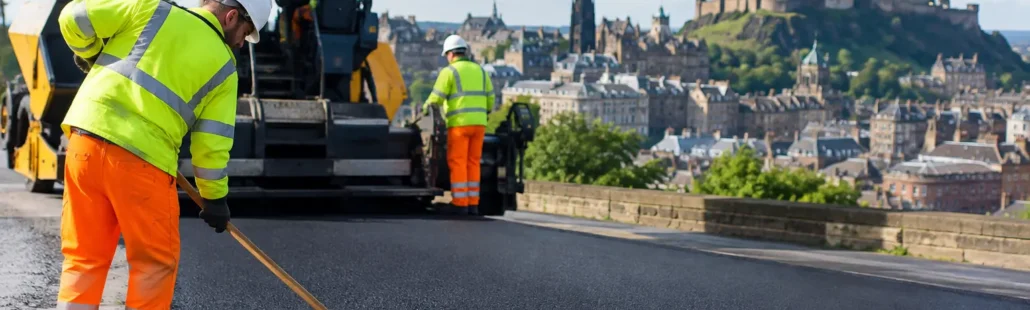
One of the most common questions is whether a surface can be repaired or needs replacing. The answer depends on the scale and depth of deterioration. If damage is localised and the surrounding asphalt is still in good condition, patching and crack repairs may be enough. If the surface has widespread cracking, repeated potholes, drainage defects and a tired finish across the full area, resurfacing often makes more financial sense.
This is where experience counts. A proper contractor will not recommend full resurfacing if a targeted repair will do the job, but they should also be honest when piecemeal repairs are no longer economical. For commercial clients, the decision usually comes down to safety, appearance, disruption and whole-life cost. For homeowners, it is often about stopping a driveway from becoming an annual repair bill.
At EB Road Surfacing, this is typically the point where practical advice matters most – matching the repair to the real condition of the surface rather than applying a one-size-fits-all fix.
A sensible maintenance routine
For most asphalt surfaces, a workable routine is straightforward. Keep the area clean, check drainage, deal with spills, inspect after severe weather, and repair cracks before they open up further. On larger or busier sites, document defects and schedule maintenance before winter if possible, when water ingress and frost can turn minor defects into larger failures.
If you are responsible for public-facing areas, car parks or shared access roads, maintenance also protects safety and presentation. A clean, clearly marked and well-kept surface gives users confidence and reduces the chance of complaints, trip hazards or vehicle damage.
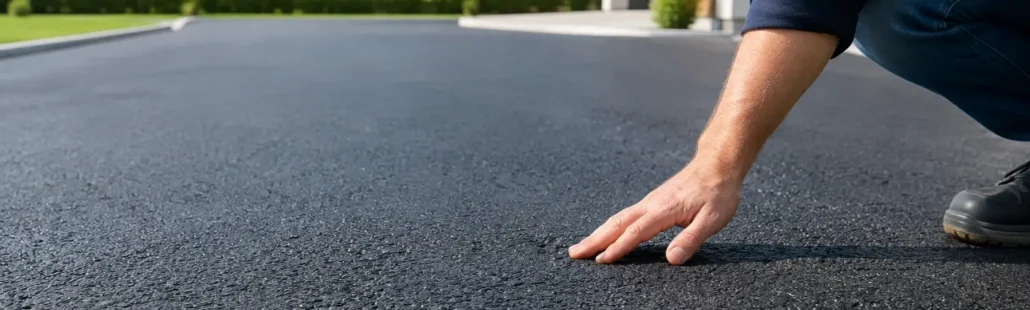
Well-maintained asphalt does not stay perfect forever, and that is the reality. But it lasts longer, performs better and costs less to manage when the warning signs are dealt with early. The best time to act is usually when the damage still looks small.