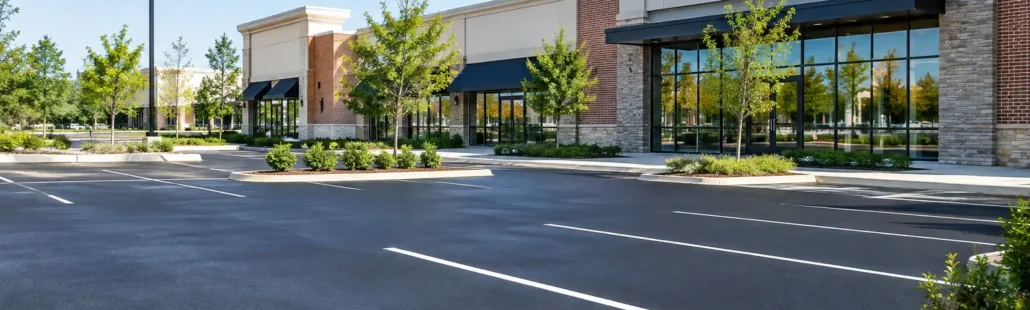
Smart Road Maintenance That Reduces Repair Costs
A small crack in an access road can become a costly failure surprisingly quickly. Water gets beneath the surface, traffic works the damaged area loose, and what began as a straightforward repair turns into potholes, edge breakdown or a section that needs full resurfacing. Smart road maintenance is about stopping that cycle early, using planned inspections and the right treatment at the right time.
For property owners, site managers and organisations responsible for busy routes, the aim is simple: keep surfaces safe, presentable and fit for use without paying for unnecessary major works. It is not about adding technology for its own sake. It is about making informed, practical decisions that protect the life of the road, car park or driveway.
What smart road maintenance looks like in practice
Smart maintenance starts with understanding the condition of the surface rather than waiting for visible failures to become urgent. A regular inspection can identify early warning signs such as fine cracking, fretting aggregate, standing water, worn line markings, loose edges and small potholes.
The next step is to match the repair to the problem. A localised pothole does not always require resurfacing an entire road. Equally, patching a surface that has widespread cracking or poor drainage may only delay the inevitable. A reliable contractor should explain what has failed, why it has failed and which option offers the best value over the expected life of the surface.
This approach is particularly useful for commercial yards, industrial estates, private access roads and car parks, where closures can affect customers, deliveries and day-to-day operations. Planned work can often be scheduled around quieter periods, with repairs completed in sections to maintain safe access.
Inspect before damage spreads
Road surfaces in Scotland and Northern England face demanding conditions. Heavy rain, frost, temperature changes and frequent traffic all put pressure on tarmacadam and asphalt. Water is usually the main issue. Once it enters cracks and reaches the layers below, it can weaken the foundations and cause the surface to break apart under loading.
Inspections do not need to be complicated, but they do need to be consistent. Walk or drive the route after periods of heavy rain and look for water that is not draining away. Check entrances, turning areas, loading points and drain covers, as these are often the first places to show stress. Pay attention to changes rather than just obvious defects. A crack that is wider than it was last season is a clear sign to act.
For larger sites, keeping a simple record of defects, repair dates and recurring problem areas makes future decisions easier. It helps identify whether a fault is isolated or whether the road is approaching the point where resurfacing will be more economical than repeated patching.
Drainage is part of the surface condition
A good-looking road can still fail early if water has nowhere to go. Blocked gullies, poorly formed falls, damaged channels and low spots all allow water to sit on the surface. That standing water creates a slip risk, accelerates wear and increases the chance of frost damage in colder weather.
Smart road maintenance considers drainage alongside the surfacing work. Clearing outlets may be enough in some cases. In others, the surface may need local regrading, drainage repairs or careful reinstatement around gullies. Treating the visible pothole without dealing with the water that caused it is rarely a lasting solution.
Choose repairs that suit the condition
There is no single best treatment for every road. The right option depends on the extent of deterioration, the construction beneath the surface, the volume and weight of traffic, and the budget available.
Small, sound areas of damage can often be cut out and repaired with properly compacted asphalt. This is far more durable than simply filling loose material into a hole. The damaged section should be removed back to firm edges, the base checked, new material laid at the appropriate depth and compacted correctly.
Where the surface is generally sound but beginning to lose texture or show light cracking, surface dressing may extend its serviceable life. It seals the surface and restores skid resistance, but it will not correct failed foundations or serious deformation. Used at the right stage, it can be a cost-effective preventative measure. Used too late, it becomes a short-term cosmetic fix.
Full resurfacing becomes the sensible choice when failures are widespread, patches are accumulating, or the road profile and drainage need attention. Although it has a higher upfront cost, it can remove the repeated disruption and escalating expense of ongoing reactive repairs. A site with heavy lorry movements may also require a stronger construction than a lightly used private road or residential driveway.
Use data without overcomplicating the job
The word “smart” can suggest sensors, mapping systems and complex asset software. These tools can be useful for local authorities and large estates, particularly where hundreds of routes must be assessed and prioritised. They can show traffic patterns, track repeat defects and help plan budgets over several years.
For many businesses and private property owners, however, smart road maintenance is more straightforward. It means recording issues, acting before they worsen and using a competent surfacing contractor who assesses the whole problem. Photographs taken over time, a clear maintenance log and an annual condition check are often enough to make better decisions.
Technology should support practical judgement, not replace it. A report may identify a damaged area, but an experienced site assessment determines whether the real cause is poor drainage, edge failure, inadequate foundations or traffic loading beyond the original design.
Plan maintenance around safety and access
Defective surfaces create more than an appearance problem. Potholes, uneven levels and faded markings can lead to trips, vehicle damage and avoidable liability concerns. On commercial sites, unclear pedestrian routes and worn parking bays can also make daily movement less safe and less efficient.
A planned programme allows urgent hazards to be dealt with first while larger works are scheduled sensibly. Clear line marking can be reinstated after repairs or resurfacing, helping to define parking spaces, traffic flow, loading areas and pedestrian walkways. This is especially valuable in busy car parks, schools, warehouses and retail premises where users may not know the layout.
Access should be discussed before work begins. A good contractor will consider delivery times, emergency access, resident requirements and phased working where appropriate. The fastest programme is not always the best programme if it leaves customers unable to use the site or forces vehicles over newly laid material before it is ready.
Get better value from a planned approach
Reactive repairs feel cheaper because they deal only with the immediate defect. Over time, though, repeated call-outs, temporary patching and unplanned closures can cost more than a clear maintenance plan. The best value comes from prioritising work according to risk and condition, rather than treating every defect as equal.
For example, a pothole on a low-traffic private lane may be monitored briefly if it is stable and does not present a hazard. The same defect at a hospital entrance, loading bay or busy car park should be repaired promptly. Likewise, a driveway with isolated edge damage may only need local work, while a commercial access route with widespread cracking needs a broader solution.
When requesting a quote, ask for the recommended scope of work, the materials proposed, how drainage concerns will be addressed and what preparation is included. A clear quotation makes it easier to compare like for like and avoids the disappointment of a low initial price that excludes essential groundwork.
EB Road Surfacing carries out practical road maintenance, pothole repairs, resurfacing and line marking for domestic and commercial clients across Scotland and Northern England. The focus should always be on workmanship that lasts, clear advice and a programme that keeps disruption to a minimum.
The most cost-effective repair is usually the one completed before water, traffic and time turn a minor defect into a larger failure. Regular checks and timely professional repairs keep roads, car parks and access routes safe to use, easier to manage and ready for the demands placed on them.