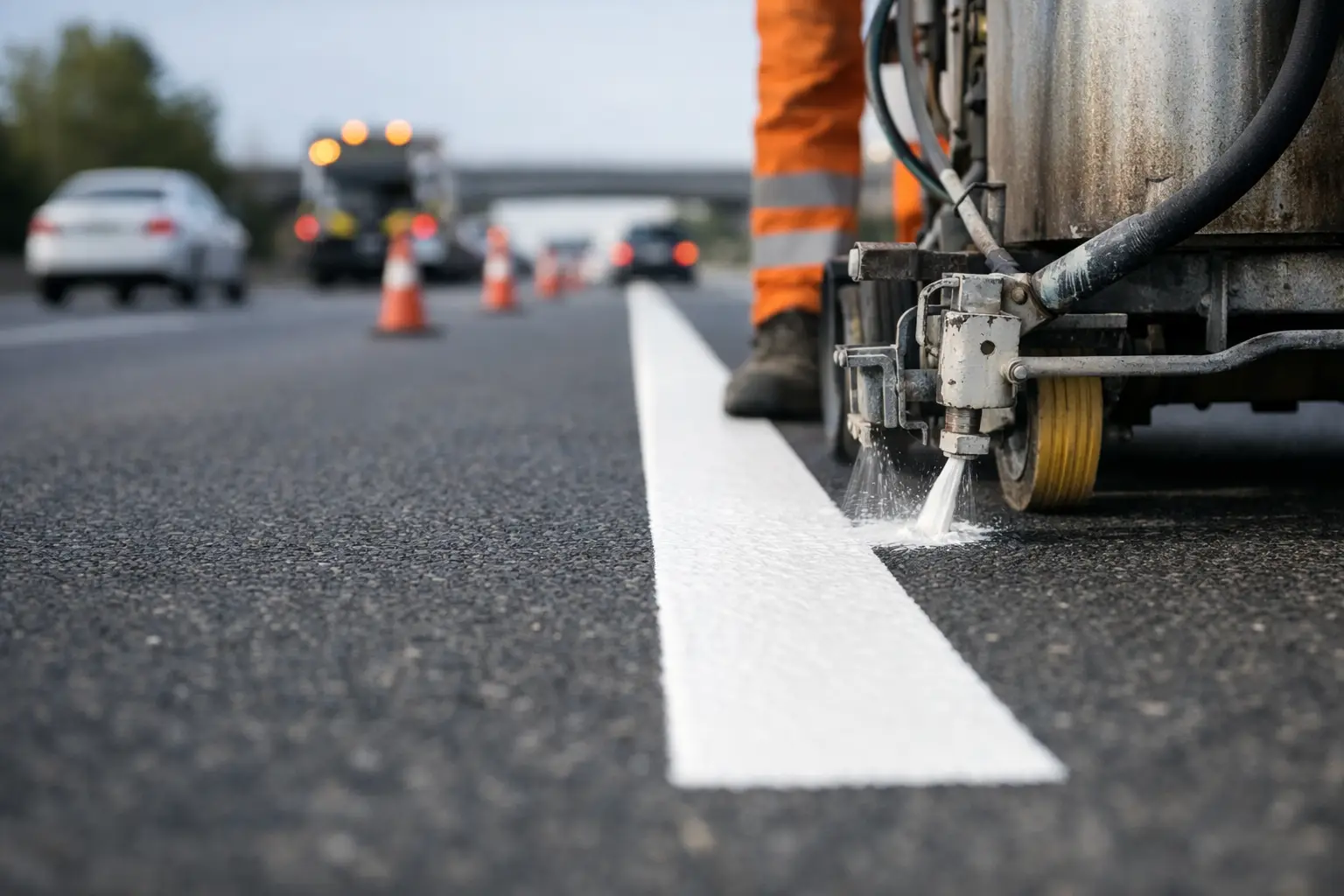
Road Marking Paint That Lasts on Busy Sites
A faded parking bay or unclear traffic arrow is more than an untidy finish. It can cause congestion, unsafe vehicle movements and avoidable disputes over where people should park or walk. The right road marking paint gives drivers and pedestrians clear instruction, protects the surface beneath it and presents a well-managed site from the moment someone arrives.
For car parks, private roads, industrial yards and residential developments, the best result is not simply a matter of choosing the brightest white line. The existing surface, traffic levels, weather conditions and purpose of the marking all affect which material and application method will provide a durable finish.
Where road marking paint makes a difference
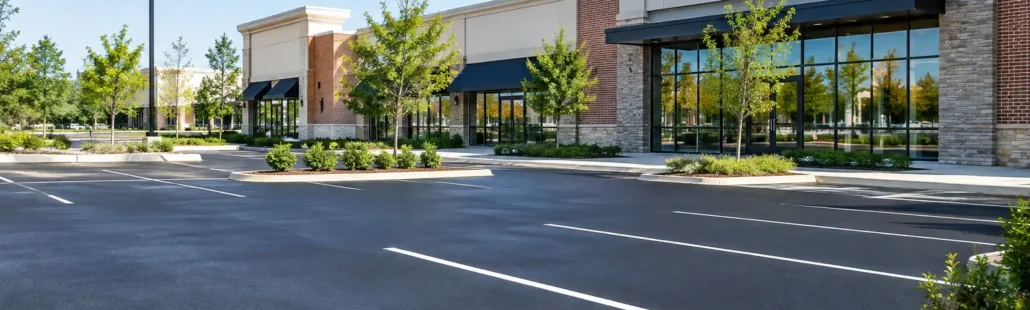
Clear markings create order on surfaces that are shared by vehicles, delivery drivers, staff, residents and visitors. In a commercial car park, properly set out bays make better use of available space and reduce the chance of blocked access routes. On an industrial site, arrows, stop lines and pedestrian walkways help separate people from plant and moving vehicles.
Road marking paint is also useful for loading areas, keep-clear zones, hatch markings, disabled bays, speed roundels and numbered spaces. On residential developments and private driveways, it can define visitor parking, turning areas and access points without the cost or disruption of major construction work.
The markings need to suit the job. A lightly used private car park may only require straightforward painted lines, while a busy depot with frequent HGV movements needs a more hard-wearing system. Specifying a material designed for the wrong level of traffic is a false economy, even if the initial quote looks attractive.
Choosing the right road marking paint
There is no single product that suits every surface. Conventional line marking paints can be an efficient choice for suitable asphalt or tarmacadam areas with lighter traffic. They are commonly used for parking bays, directional markings and general site organisation where a neat, visible result is required.
For areas subject to repeated tyre wear, turning movements or heavy commercial traffic, more durable materials may be the better choice. Thermoplastic markings, for example, are widely used where longevity and high visibility matter. They are applied hot and bond to a properly prepared surface, producing a thicker marking than standard paint. The higher upfront cost can be justified where repainting frequently would disrupt operations or add ongoing maintenance costs.
Colour should be selected for visibility and purpose, rather than appearance alone. White and yellow are common choices, but blue may be used for designated bays and red can help highlight restricted areas or walkways. Strong contrast against the existing surface is essential, particularly in poor light and wet Scottish weather.
A professional contractor will assess the site before recommending a system. They will consider whether the surface is asphalt, concrete, block paving or a previously coated area, as well as the condition of the substrate. Paint applied over loose, oxidised or contaminated material will not last, regardless of its quality.
Surface preparation determines the finish
Most premature line-marking failures begin before the first line is laid. Dust, oil, moss, standing water and loose aggregate prevent proper adhesion. New tarmacadam also needs adequate time to cure before markings are applied, otherwise oils within the surface can affect the bond.
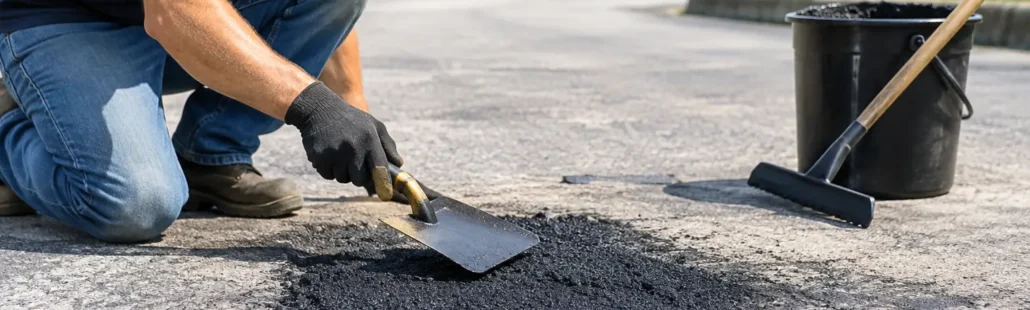
Preparation normally starts with a close inspection of the area. Cracks, potholes and failed edges should be repaired first, as a fresh white line will not solve an underlying surfacing problem. The surface is then cleaned and dried so the material can adhere correctly. In some cases, primers or specialist preparation may be needed, particularly on concrete or difficult substrates.
Accurate setting out matters just as much. Parking bays that are uneven, too narrow or poorly positioned frustrate users and waste space. Traffic arrows and pedestrian routes must be visible from the direction people approach them. A competent team measures, marks out and checks the layout before application, rather than relying on guesswork once work has started.
Weather, curing time and access planning
Road marking work is often quick, but it should not be rushed. Rain, low temperatures and damp surfaces can affect application and drying times. In the UK, choosing the right weather window is part of delivering reliable work, particularly for exposed car parks and private access roads.
The site should also be planned around access. A busy retail car park, school, depot or residential development may need work completed in sections to keep vehicles moving. Temporary barriers, signs and clear communication help prevent traffic crossing fresh markings before they are ready for use.
Drying time depends on the product, temperature and surface conditions. Some paints can be touch-dry quickly, but that does not always mean they are ready for vehicle traffic. Following the correct curing guidance protects the finish and avoids tyre marks, lifting or smudging on a newly completed job.
Markings should support safe movement
Good line marking directs people without creating confusion. Drivers should immediately understand where to enter, park, stop, turn and exit. Pedestrians should have obvious routes that are kept separate from vehicle areas wherever the layout allows.
On private land, it is sensible to review the full journey through the site. Consider the approach from the entrance, delivery vehicle turning space, visibility at junctions, reversing areas and routes to building entrances. A simple change such as repainting a faded give-way line or adding a clearly defined walkway can make a noticeable difference to day-to-day safety.
Where markings are intended for an adopted highway or work connected to the public road network, requirements can be more specific. Designs, permissions and approved materials may be necessary. This is not an area for improvised layouts. The specification should reflect the road authority’s requirements and the intended use of the space.
How to make line markings last longer
Even the best-applied markings eventually wear under traffic, weather and routine cleaning. Regular inspection helps site managers deal with small issues before faded lines become a safety concern. Look closely at entrances, turning points, loading zones and the ends of parking bays, as these areas normally receive the greatest tyre wear.
Avoid aggressive cleaning methods or harsh chemicals unless they are suitable for the marking material. Oil spills should be dealt with promptly, both for safety and to reduce staining or damage. If the surface begins to break up, arrange repairs before repainting. Markings applied over a failing substrate will soon reflect the same problem.
Resurfacing provides an ideal opportunity to review the whole layout. Rather than reinstating every old line exactly as it was, consider whether bays, pedestrian routes and delivery access still suit the way the site operates. This can improve capacity and safety without expanding the footprint of the car park or yard.
Professional application saves repeat work
A clean, durable result depends on suitable materials, proper preparation and controlled application. DIY paint may appear adequate for a small, lightly used area, but it is rarely the right answer for a commercial entrance, busy car park or workplace route. Uneven line widths, poor adhesion and unsuitable layouts quickly become visible problems.
EB Road Surfacing provides road marking as part of practical resurfacing, repair and maintenance work across Scotland and Northern England. By dealing with the surface condition and markings together, the work can be planned around access requirements and completed to a standard that stands up to normal site use.
When arranging a quotation, be clear about how the area is used, the type of traffic it carries and any access restrictions. Those details make it possible to recommend a road marking solution that looks professional on completion and continues to guide people safely long after the cones have been removed.